
Get back to moving normally after your surgery
The operation is over, but the joint feels stiff, the muscle feels weak and you are not sure how hard to push. Structured rehabilitation guides you through it, step by step.
Medicare, NDIS, DVA and private health funds accepted.

Post surgical rehabilitation is the guided recovery program you follow after an operation. It restores your range of movement, rebuilds the strength you lost while resting, and returns you to work, sport and daily life at a pace your healing tissue can handle.
Surgery repairs a structure. It does not restore the strength, control and confidence around it. That part is yours to rebuild, and your physiotherapist maps out how, working within the guidelines your surgeon has set.

Who does it affect?
anyone recovering from orthopaedic, abdominal, spinal or other surgery.

How common is it?
a large share of surgical patients are referred for rehabilitation afterwards.

What is the recovery like?
varies with the procedure, your age, your health and how consistently you complete your program.

Who should I see for treatment?
your physiotherapist, working alongside your surgeon and GP.

What funding options are available?
Medicare, NDIS, DVA and private health funds accepted.
What is post surgical rehabilitation?
Post surgical rehabilitation is a staged program of exercise, movement and education that follows an operation. Early stages protect the repair and settle swelling. Later stages rebuild strength, control and endurance so you can return to what you did before.
Recovery usually follows the tissue. In the first weeks, healing tissue is fragile and your movement is limited or braced. As it matures, the load you can safely tolerate increases. Rehabilitation matches your exercises to that timeline, so you are neither doing too much nor sitting still for too long.
Several things influence how your recovery goes:
The type of surgery you had, and whether tissue was repaired, replaced or removed.
The restrictions your surgeon has set on weight-bearing, range of movement or lifting.
Your strength and fitness before the operation.
Health factors such as age, diabetes, smoking and sleep quality.
Pain, swelling and how confident you feel loading the area.
How much support you have at home and at work.
If your surgery was a knee reconstruction, our ACL rehabilitation (https://onepointhealth.com.au/treatments/acl-rehabilitation/) program takes you through the full return to sport pathway.

Symptoms of Post surgical rehabilitation
After surgery, you may notice:
Stiffness and reduced range of movement in the operated area.
Visible loss of muscle bulk, particularly in the thigh, calf or shoulder.
Weakness or a feeling that the limb will not hold you.
Swelling that increases through the day or after activity.
Pain that shifts as you start moving again.
Difficulty with stairs, driving, lifting or sleeping on that side.
Your program is built from your assessment and from your surgeon's protocol, then adjusted as you progress.
Graded exercise therapy
progressive loading that rebuilds muscle strength, joint control and endurance without exceeding what the healing tissue can tolerate.
Range of movement work
targeted stretches and joint mobilisation to restore movement lost to swelling, guarding and time in a brace or sling.
Swelling and scar management
compression, elevation, movement and soft tissue techniques that reduce swelling, which in turn reduces the reflex inhibition that keeps muscles switched off.
Gait and movement retraining
progression through crutches, a walking aid or a brace, retraining a normal walking pattern rather than a limp that outlasts the surgery.
Return to work and sport planning
staged criteria for lifting, driving, running and contact, so you return when you meet the milestones rather than the calendar.
Education and self-management
clear rules on what to load, what to avoid, and how to read pain and swelling as feedback.
What to expect at your first appointment
Tell us what is going on
Bring your operation report, discharge notes and any restrictions from your surgeon. You explain what you can and cannot do right now.
A full assessment
Your physiotherapist checks your wound, swelling, range of movement, strength and how you walk or use the limb.
A clear plan
You leave with a home program, defined limits and an idea of the milestones ahead.
Review and adjust
Each visit, your progress is measured and the load is increased or dialled back to match it.
When to book an appointment
Book an assessment if:
You are more than two weeks past surgery and have no structured rehabilitation program.
You cannot manage stairs, driving, work tasks or sleep because of stiffness or weakness.
The hospital exercise sheet has stopped making a difference, or you have outgrown it.
You are unsure how hard to push, or you are avoiding movement in case you damage the repair.
Looking after your lower back at home
These strategies suit most people with recent, uncomplicated back pain, and work alongside treatment rather than replacing it.
The type of surgery you had, and whether tissue was repaired, replaced or removed.
The restrictions your surgeon has set on weight-bearing, range of movement or lifting.
Your strength and fitness before the operation.
Health factors such as age, diabetes, smoking and sleep quality.
Pain, swelling and how confident you feel loading the area.
How much support you have at home and at work.
Meet the team who treat this
Behind every appointment is a team of practitioners who know each other, trust each other and work together for you. Across seven clinics and nine disciplines, our team shares expertise, coordinates treatment plans and celebrates your progress together.

Abijith Anand
Healthcare Support Officer
Available at Blaxland
Aimee Fuller
Healthcare Support Officer
Available at Blaxland
Alicia Whiticker
Healthcare Support Officer
Available at Blaxland
Amanda Banks
Healthcare Support Officer
Available at Blaxland
Amanda Duggan
Healthcare Support Officer
Available at Blaxland
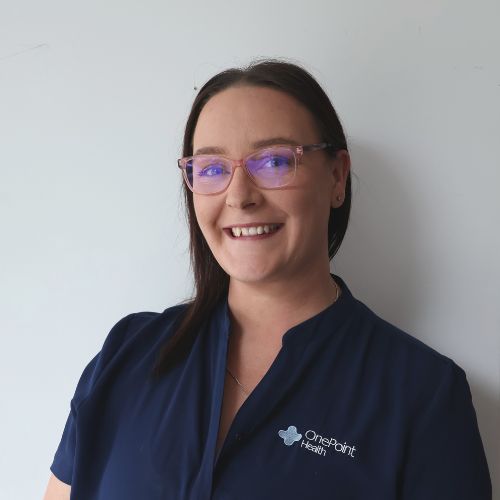
Amy Meekings
Healthcare Support Officer
Available at Blaxland

Anita Beerapu
Healthcare Support Officer
Available at Blaxland
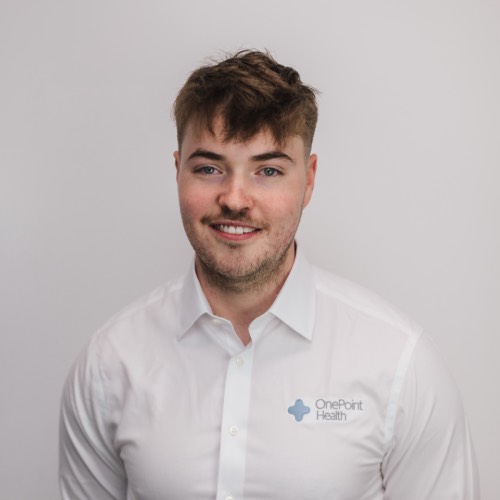
Benjamin Tucker
Healthcare Support Officer
Available at Blaxland
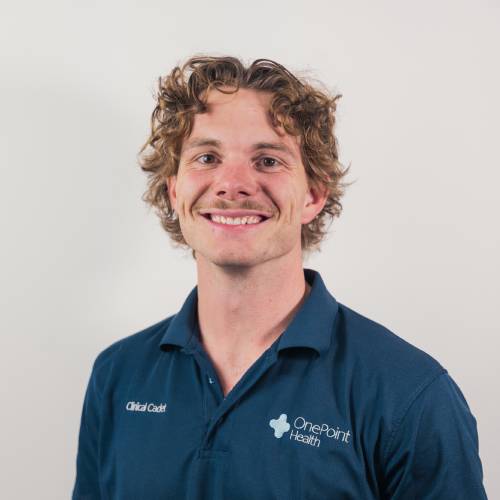
Blake Ciscato
Healthcare Support Officer
Available at Blaxland
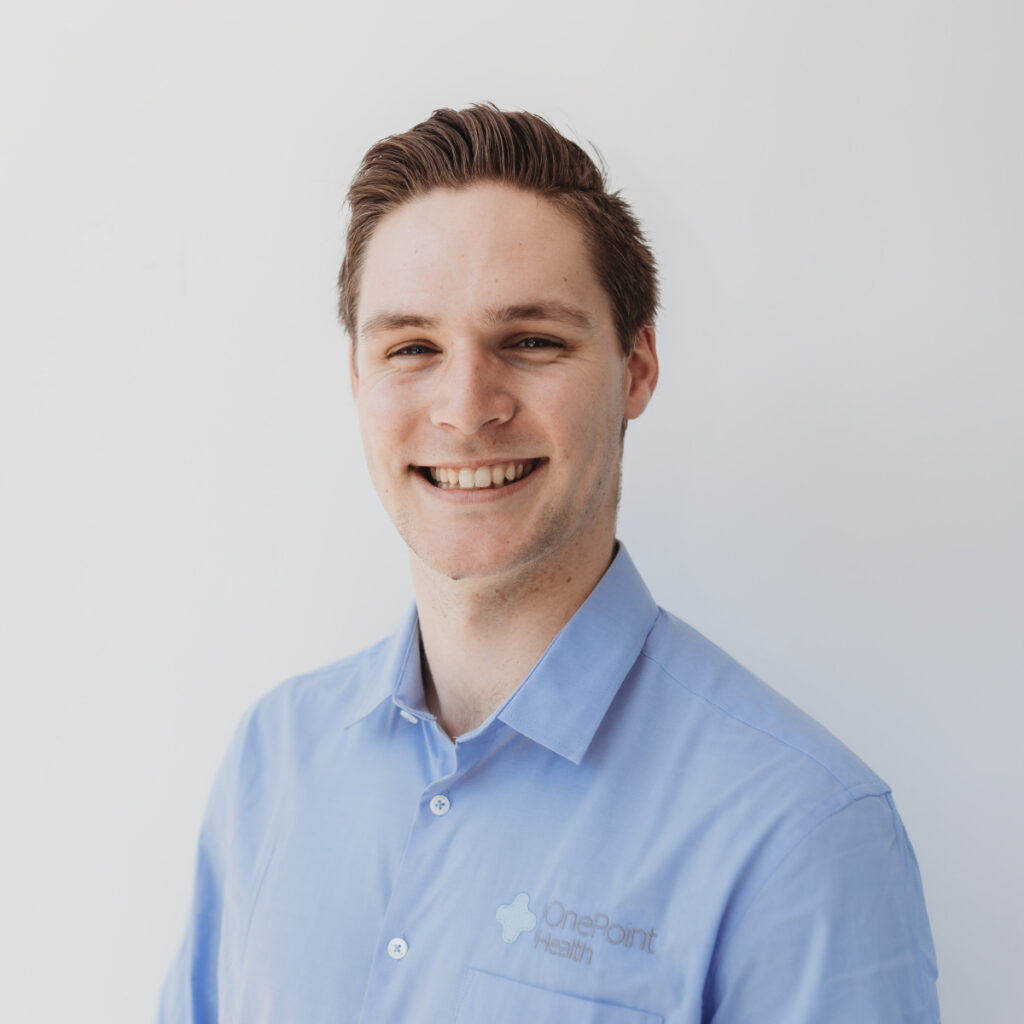
Blake Cossor
Healthcare Support Officer
Available at Blaxland

Bronte Tupper
Healthcare Support Officer
Available at Blaxland
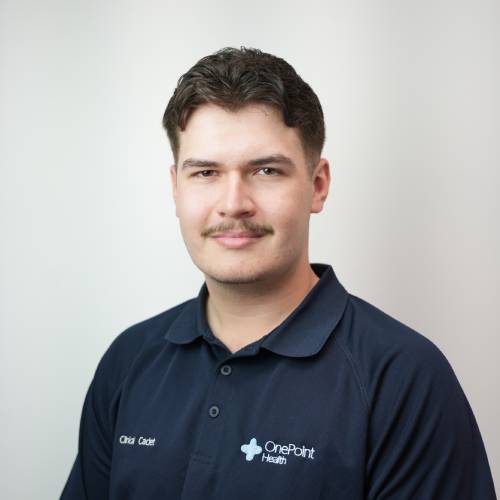
Callum Thorpe
Healthcare Support Officer
Available at Blaxland

Carin Bloom
Healthcare Support Officer
Available at Blaxland
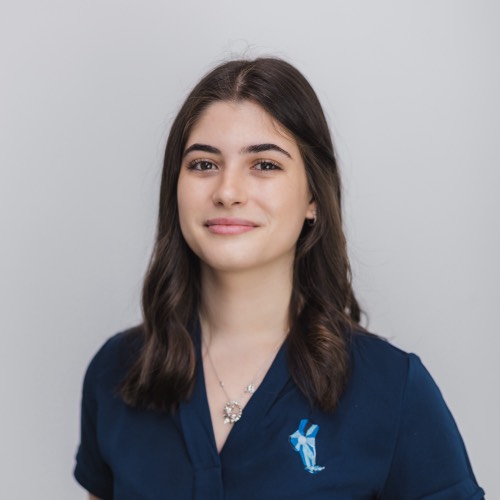
Charli Haddow
Healthcare Support Officer
Available at Blaxland
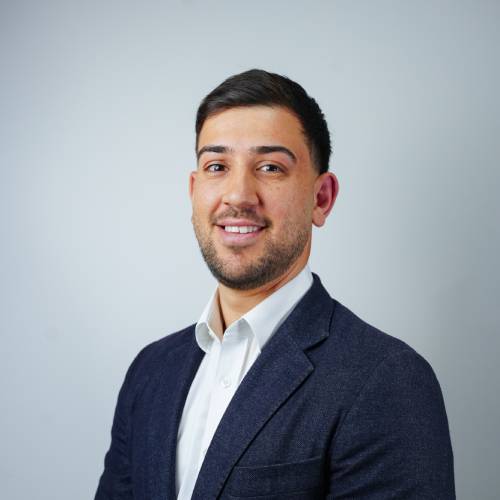
Chris Farrugia
Healthcare Support Officer
Available at Blaxland
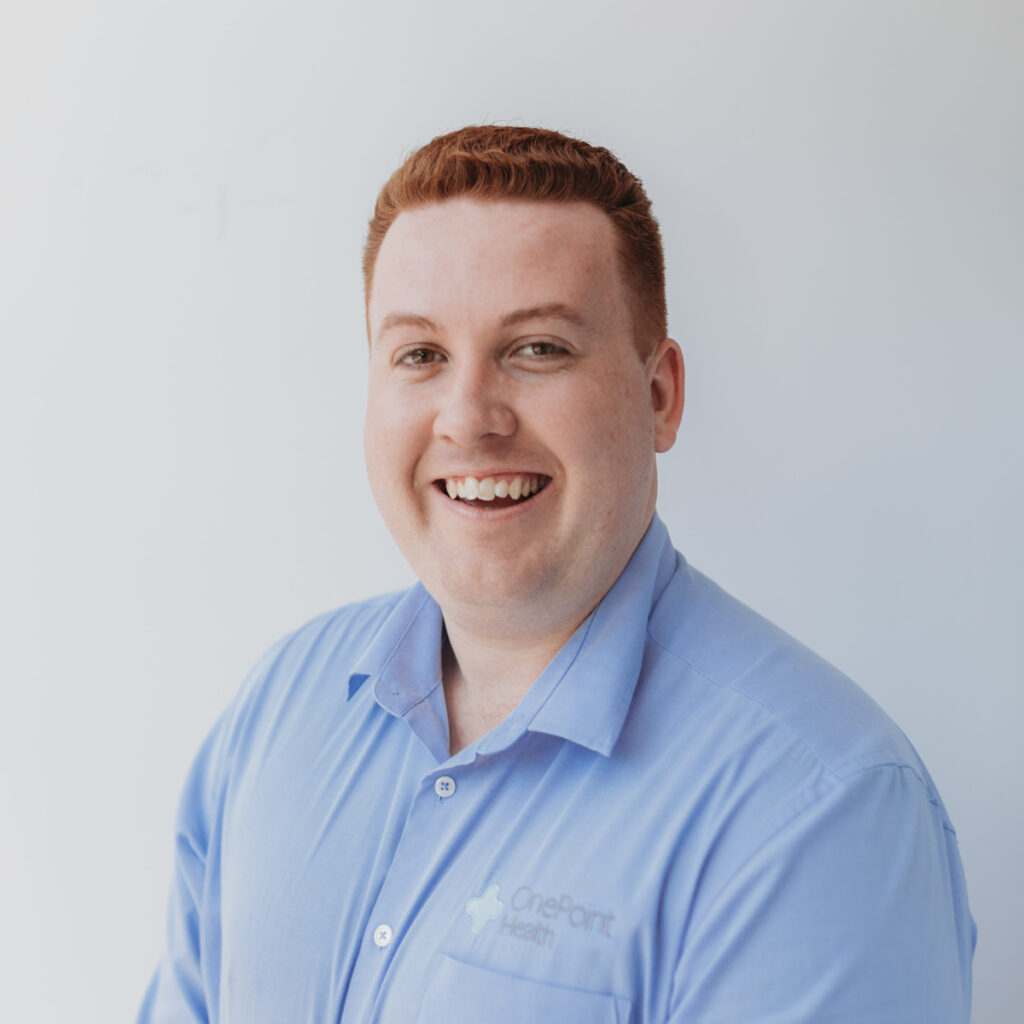
Chris Moulds
Healthcare Support Officer
Available at Blaxland
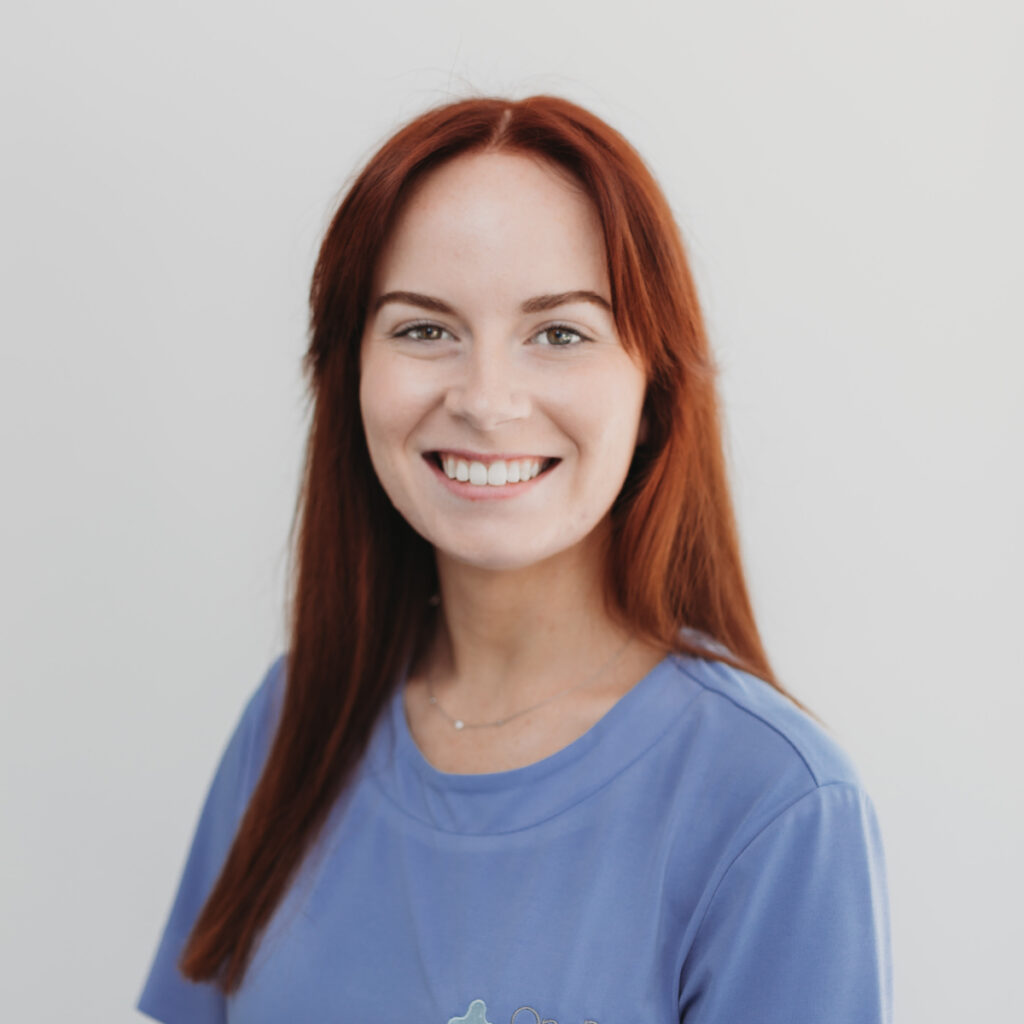
Ciara O’Kane
Healthcare Support Officer
Available at Blaxland
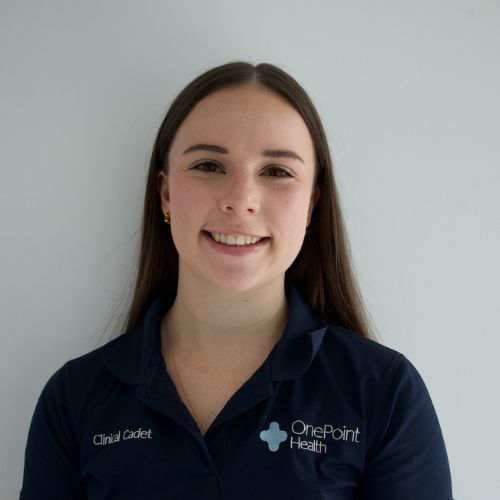
Claudia Thomas
Healthcare Support Officer
Available at Blaxland
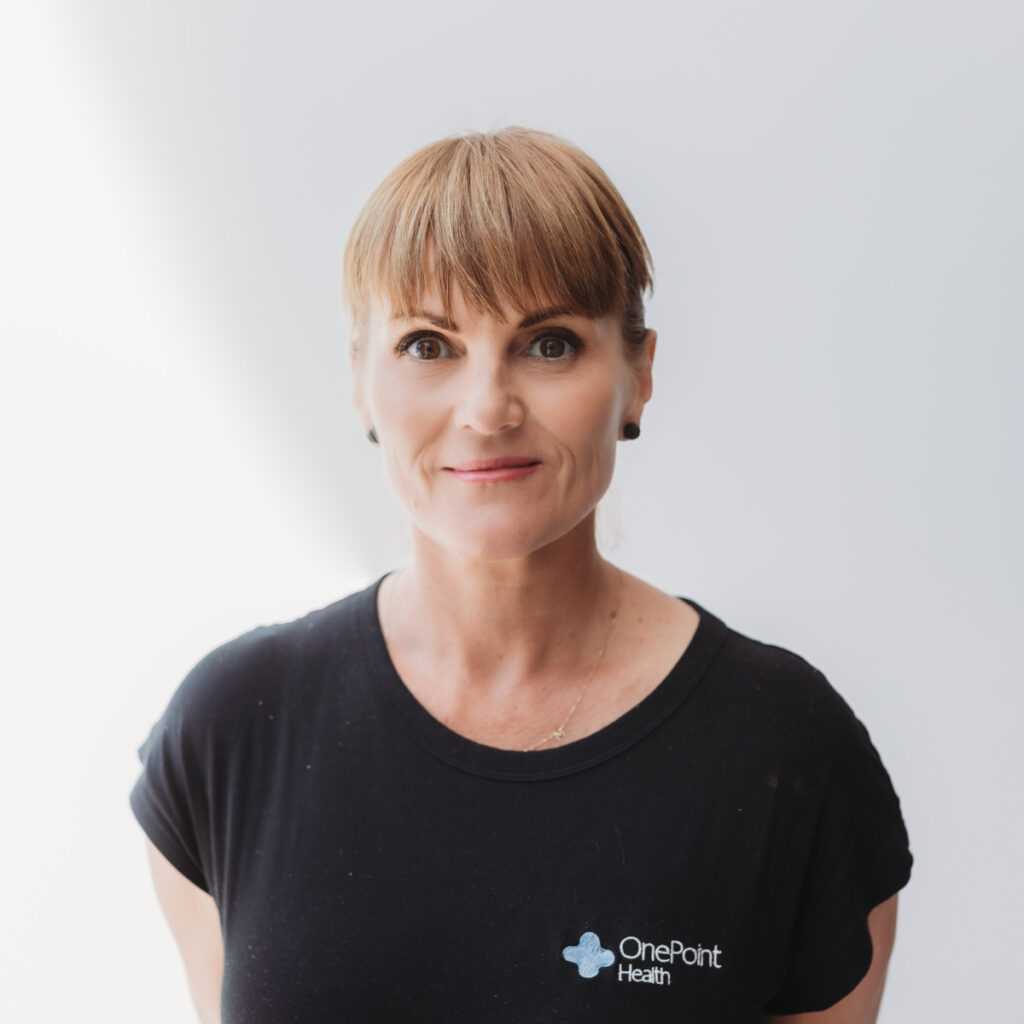
Corrina Aitken
Healthcare Support Officer
Available at Blaxland
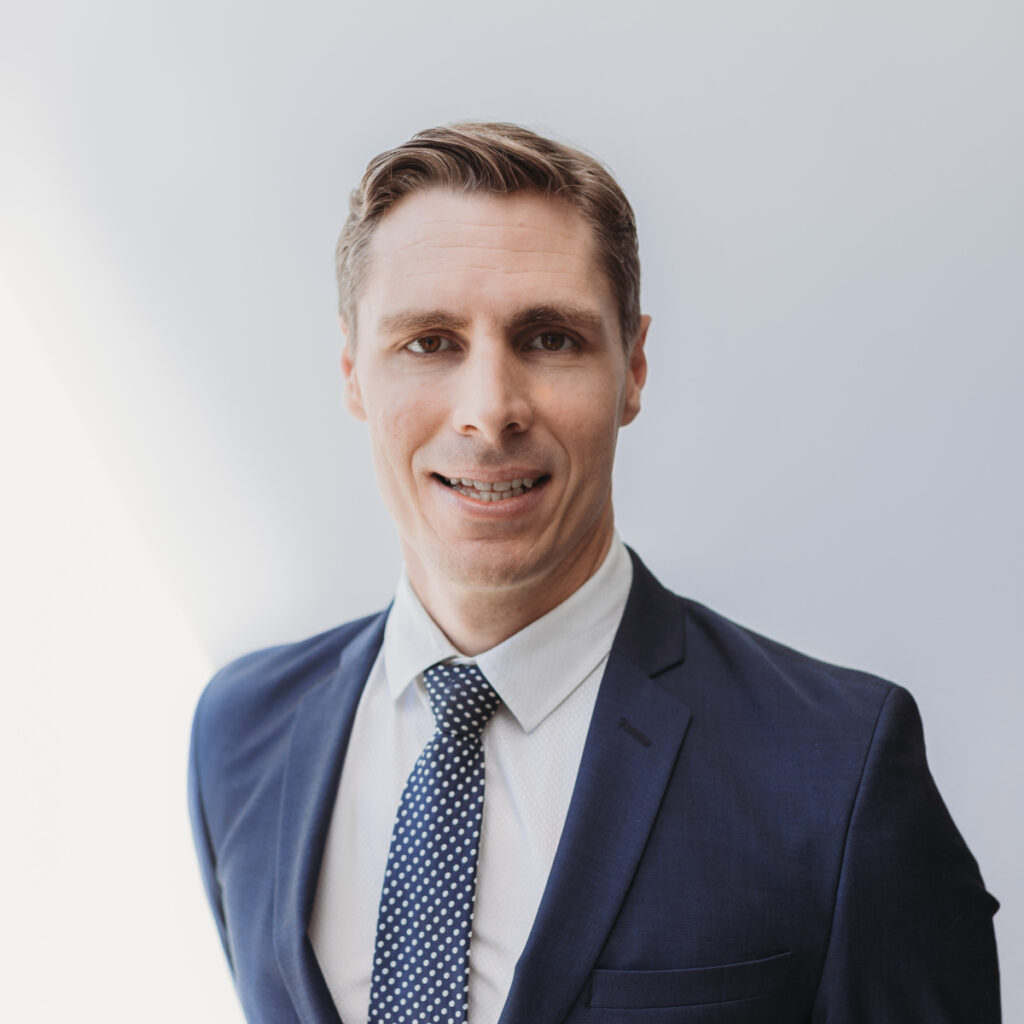
David Logue
Healthcare Support Officer
Available at Blaxland
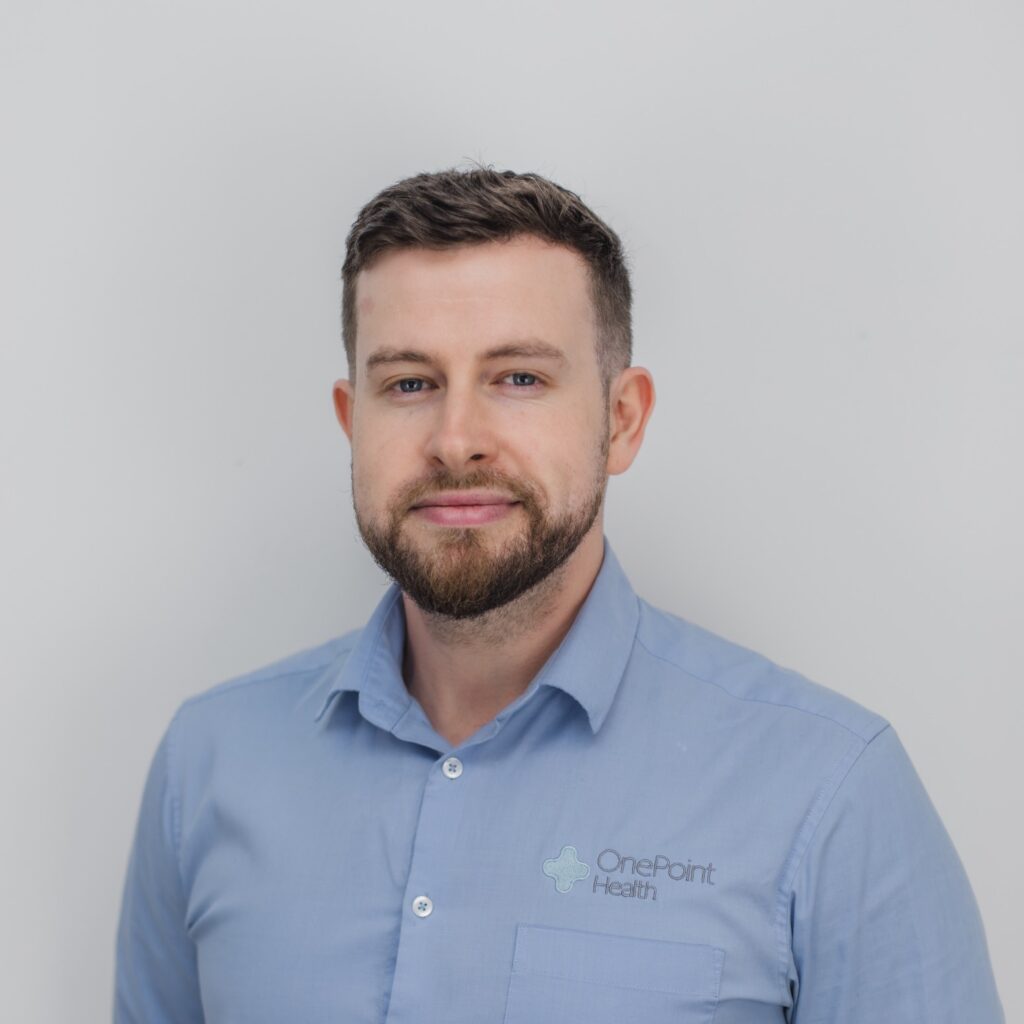
Dean Gresser
Healthcare Support Officer
Available at Blaxland
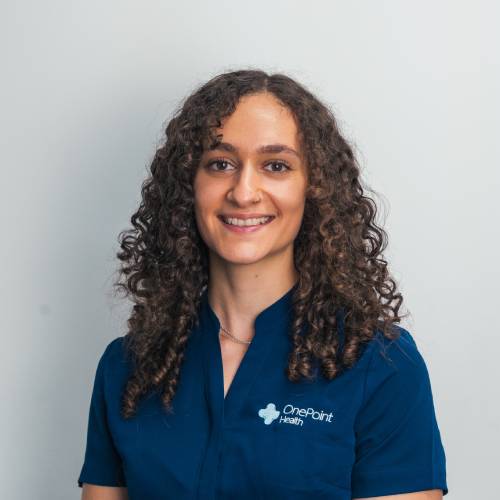
Emma Nassif
Healthcare Support Officer
Available at Blaxland
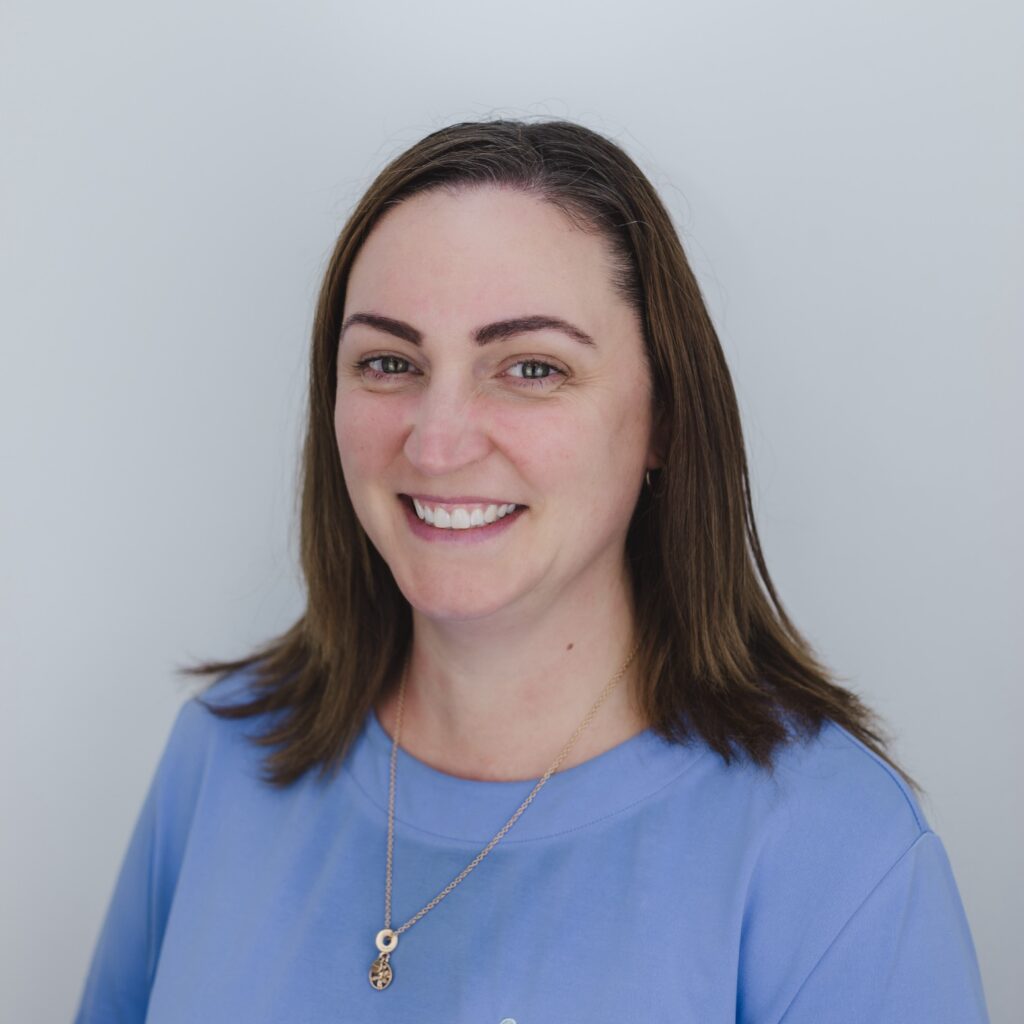
Emma Scanlon
Healthcare Support Officer
Available at Blaxland
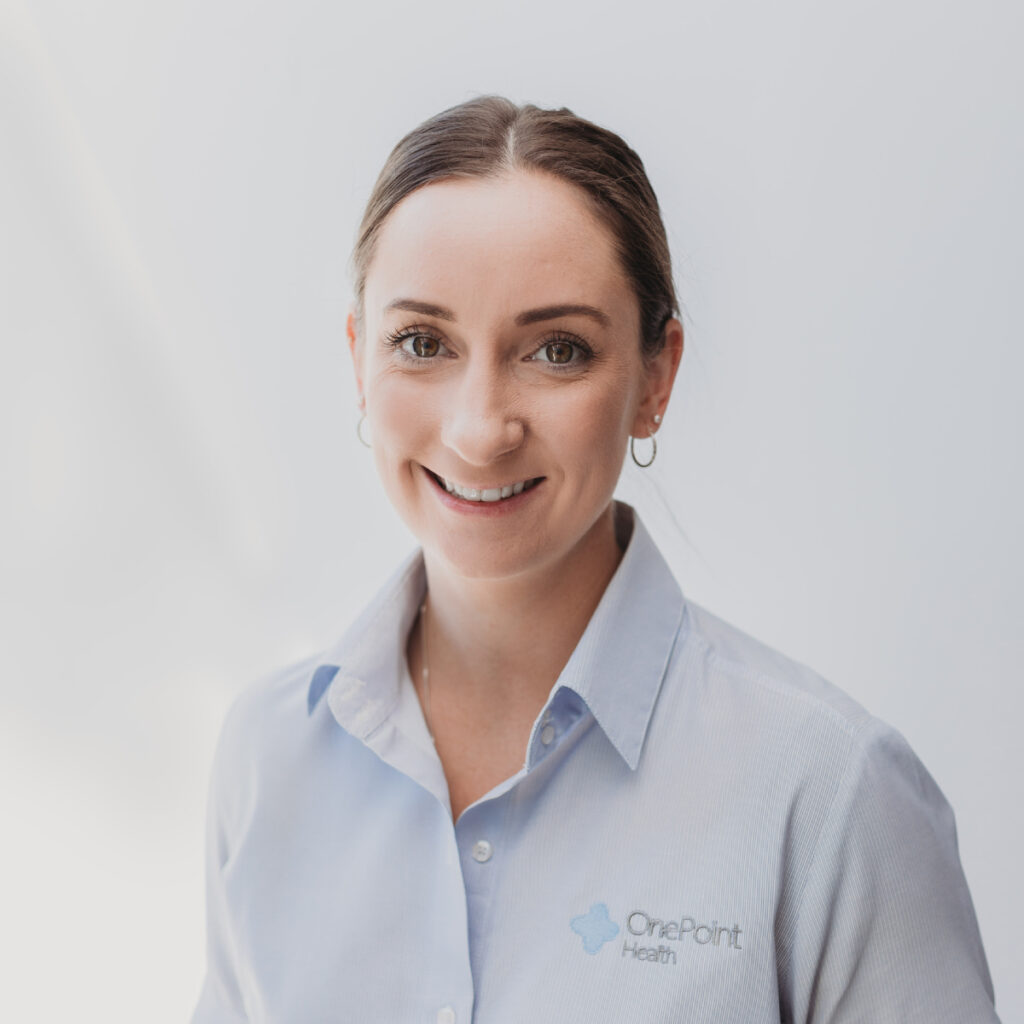
Erin Burns
Healthcare Support Officer
Available at Blaxland
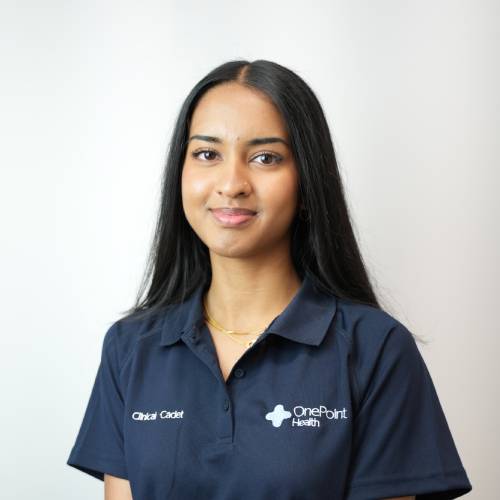
Esha Sharma
Healthcare Support Officer
Available at Blaxland
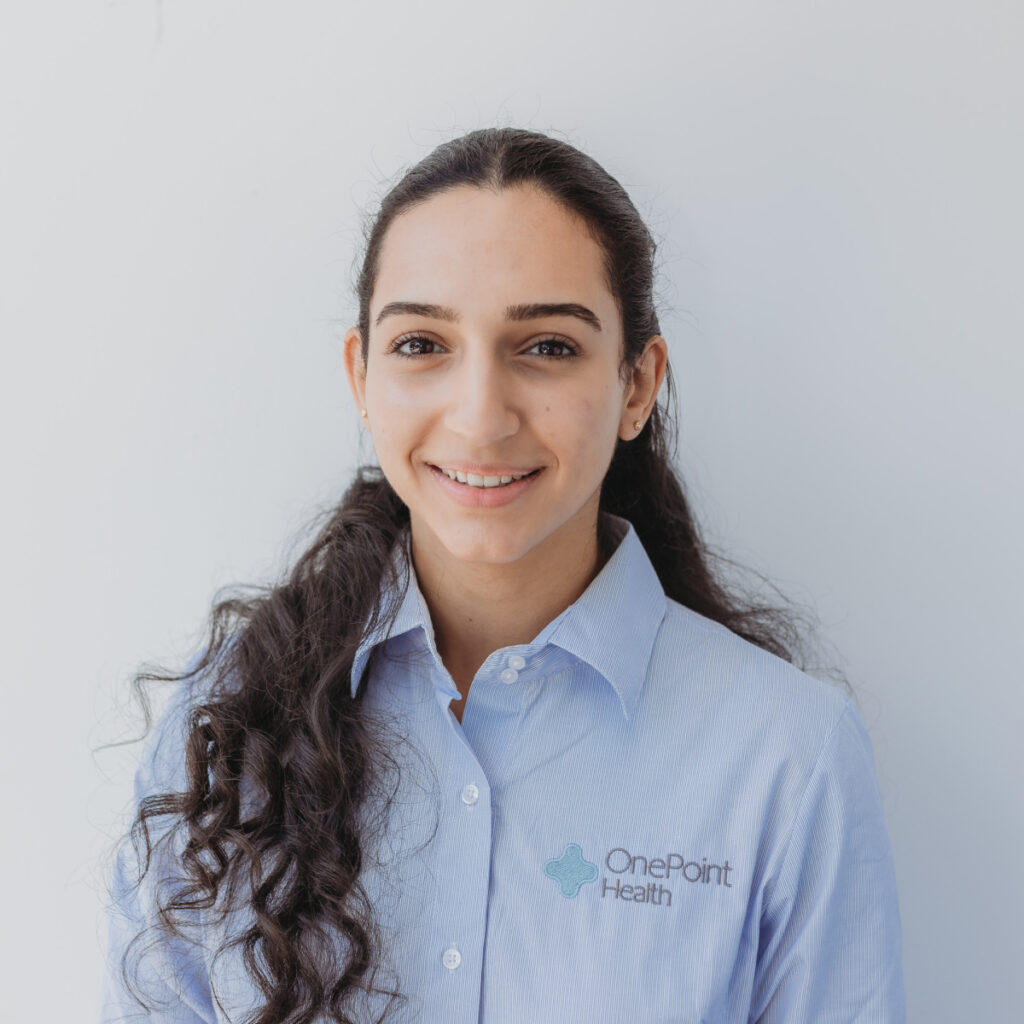
Ester Iskandar
Healthcare Support Officer
Available at Blaxland
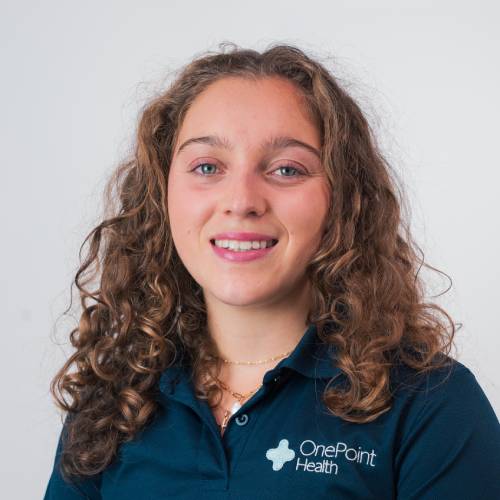
Evangelina Papalia
Healthcare Support Officer
Available at Blaxland
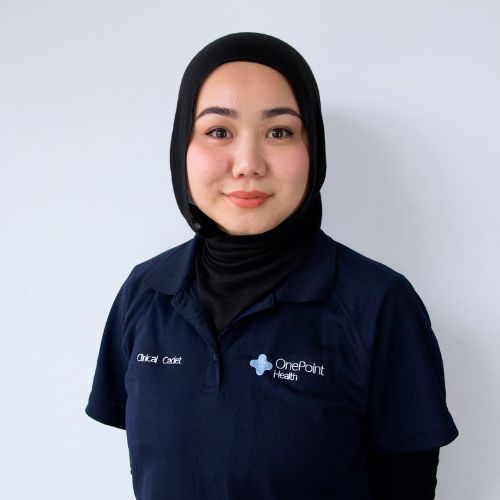
Fatima Hussaini
Healthcare Support Officer
Available at Blaxland
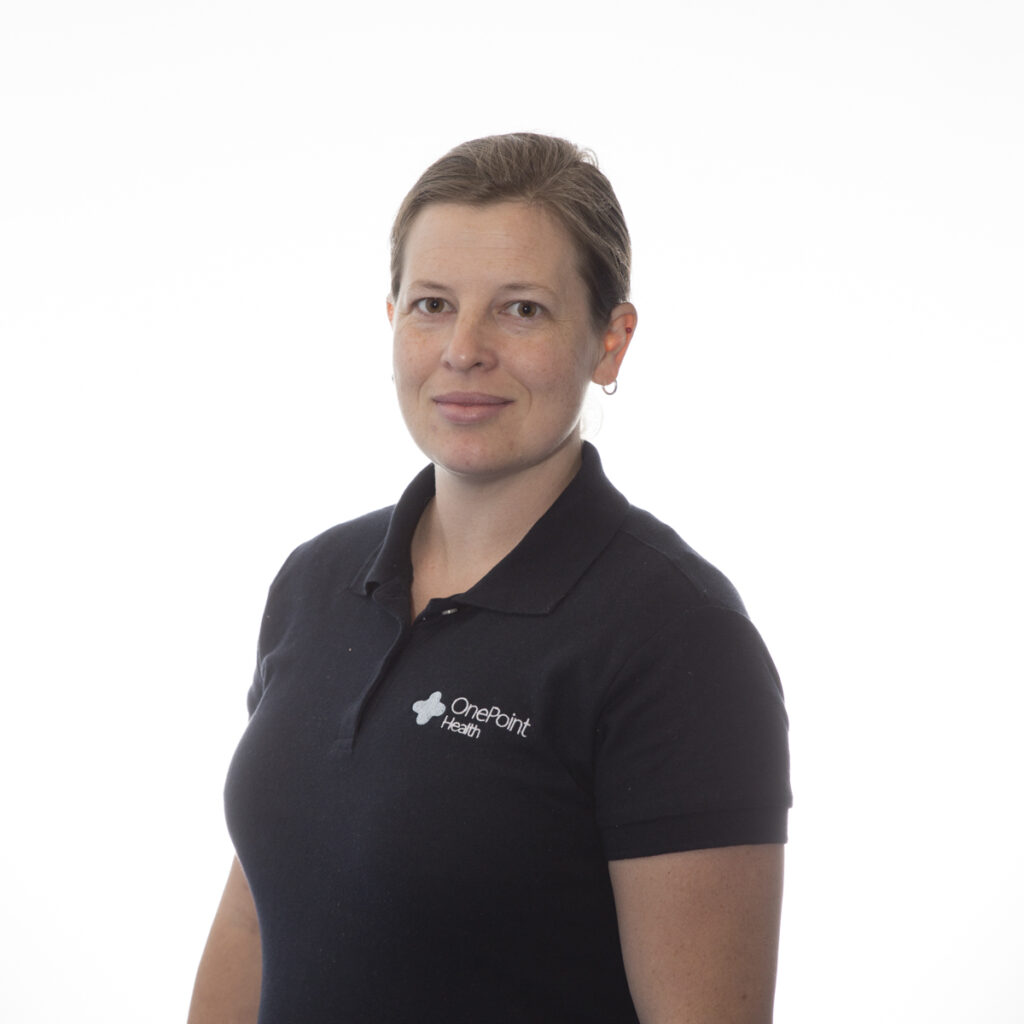
Felicity Spencer-Davey
Healthcare Support Officer
Available at Blaxland
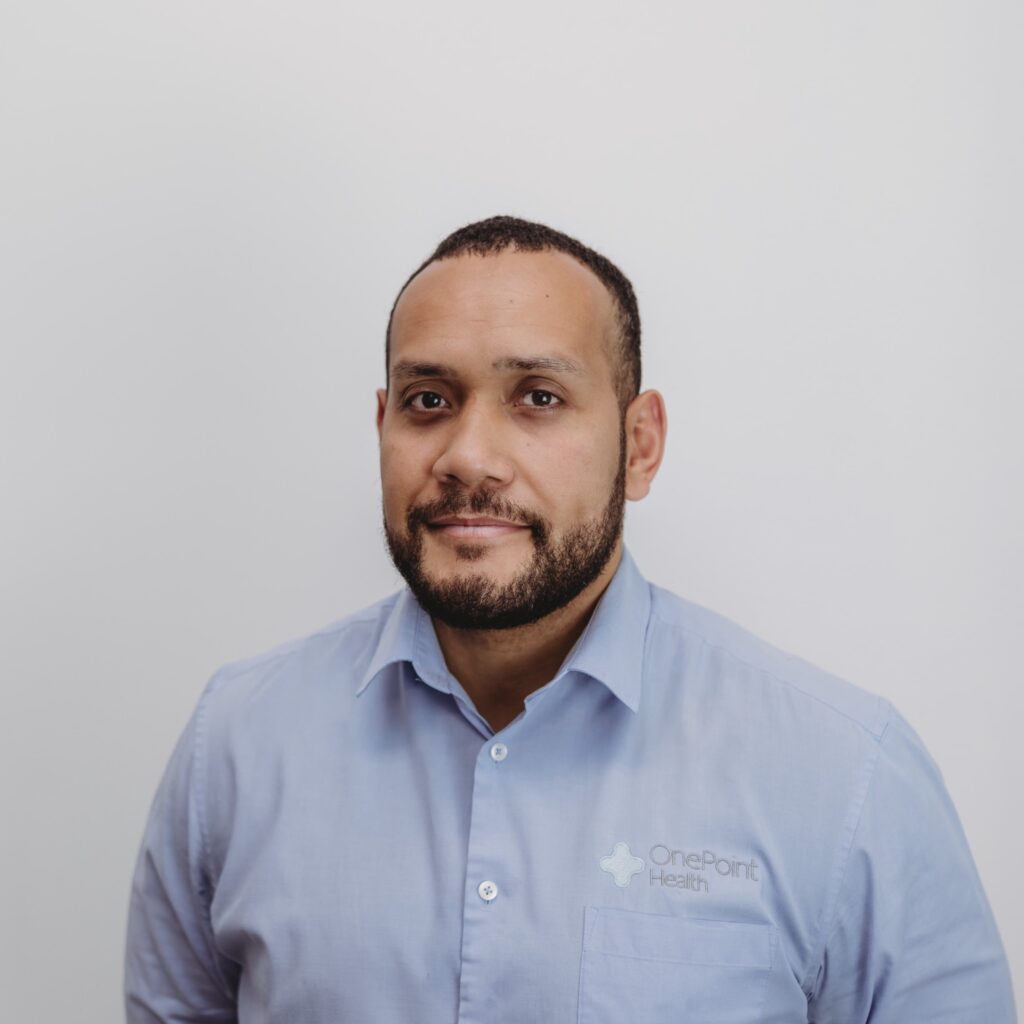
Frankie Raikadroka
Healthcare Support Officer
Available at Blaxland
Hannah Norrie
Healthcare Support Officer
Available at Blaxland
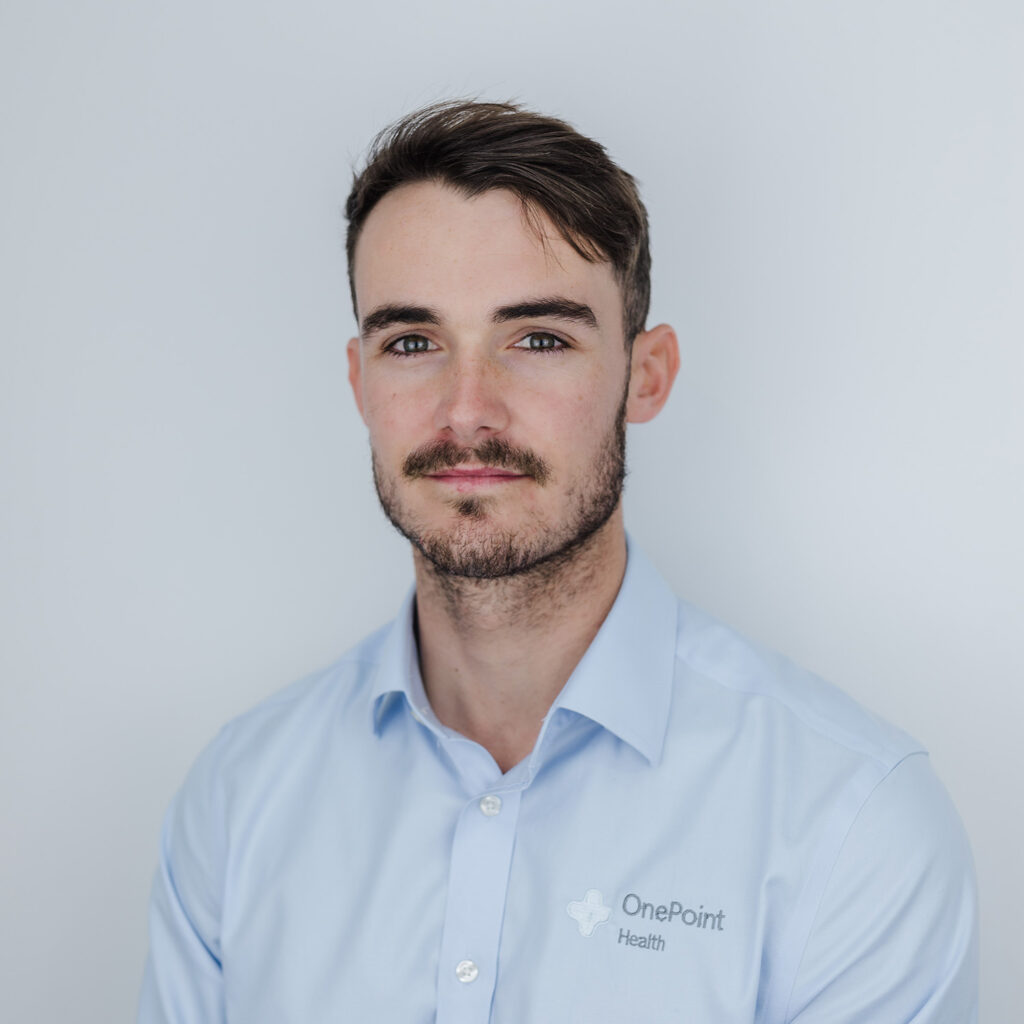
Harrison Gregson
Healthcare Support Officer
Available at Blaxland
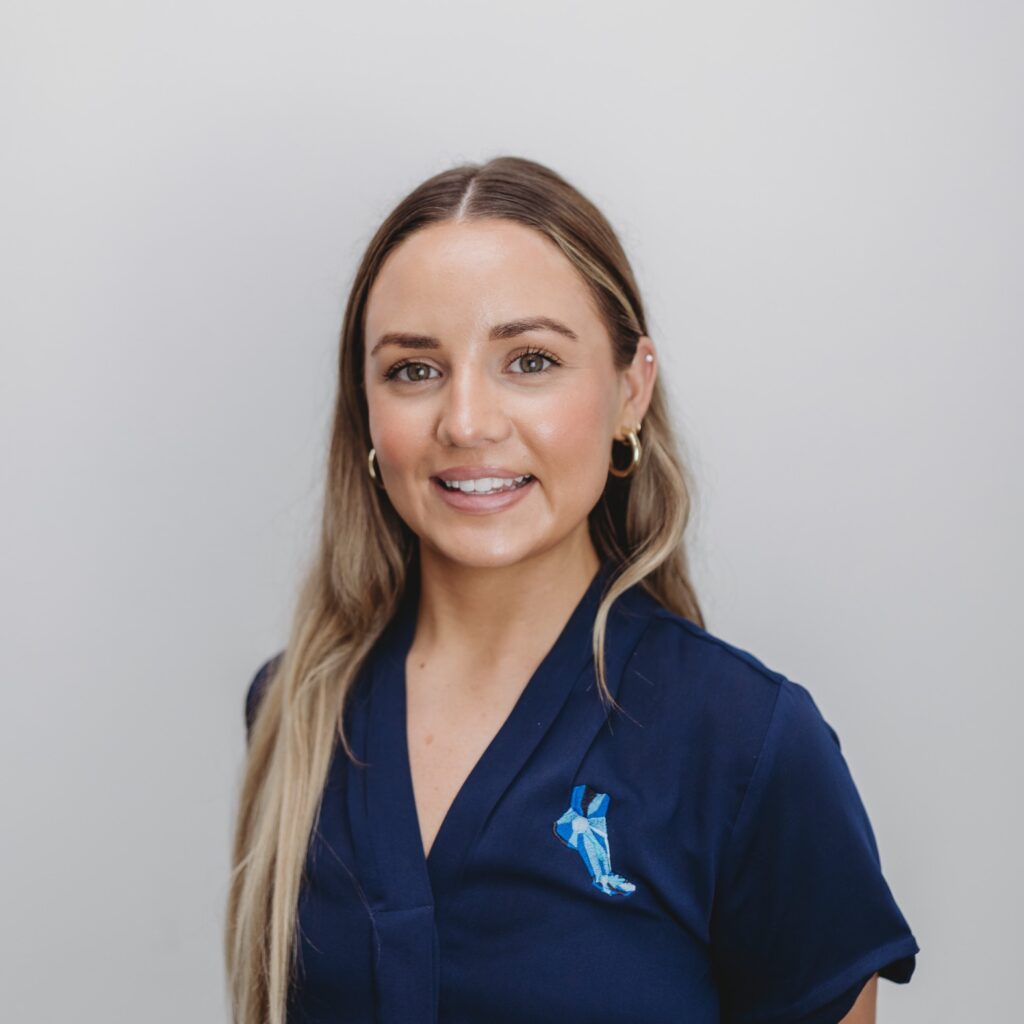
Heather Edwards
Healthcare Support Officer
Available at Blaxland
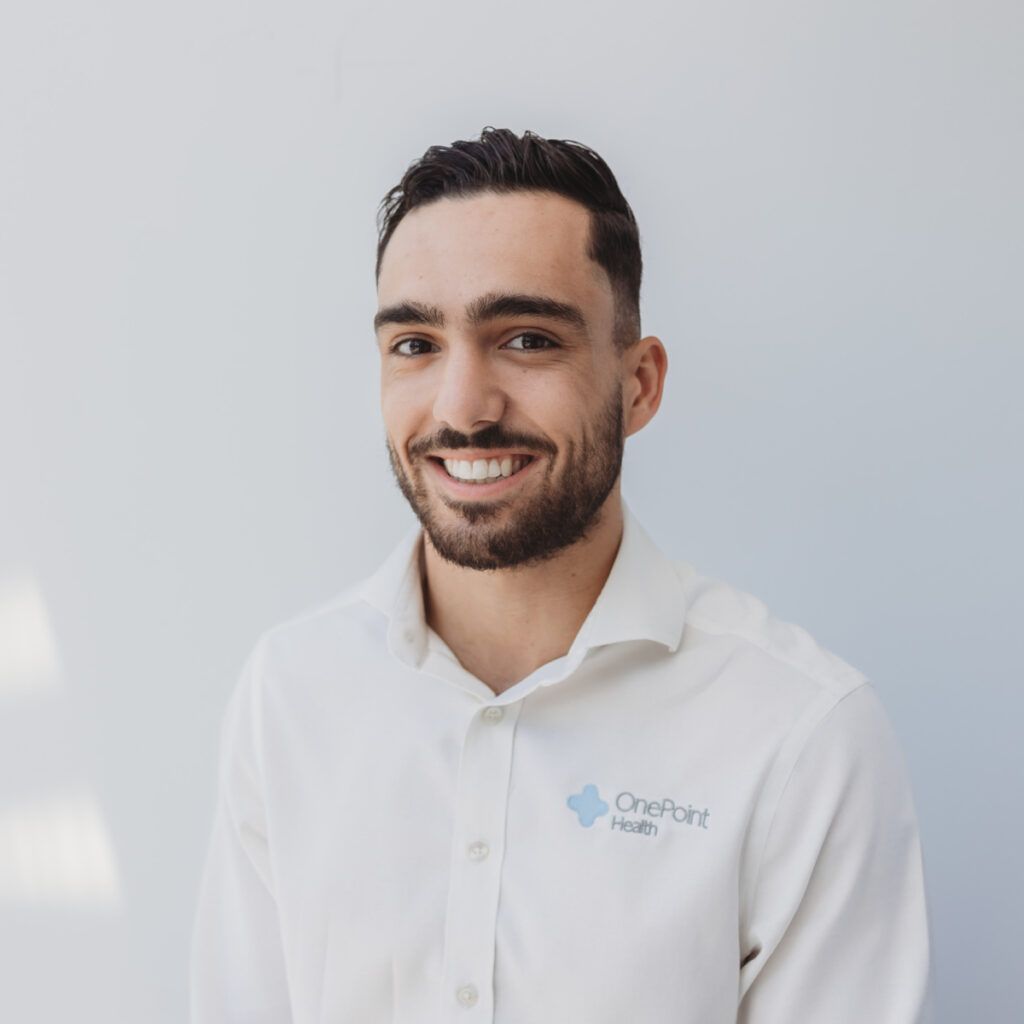
Isaac Vella
Healthcare Support Officer
Available at Blaxland
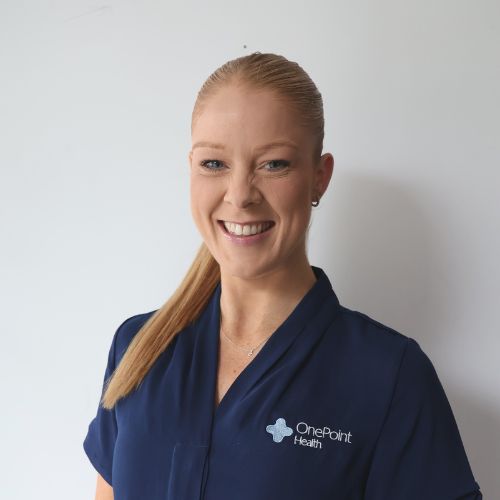
Jarrah Nesbitt
Healthcare Support Officer
Available at Blaxland

Jasmine Apap
Healthcare Support Officer
Available at Blaxland
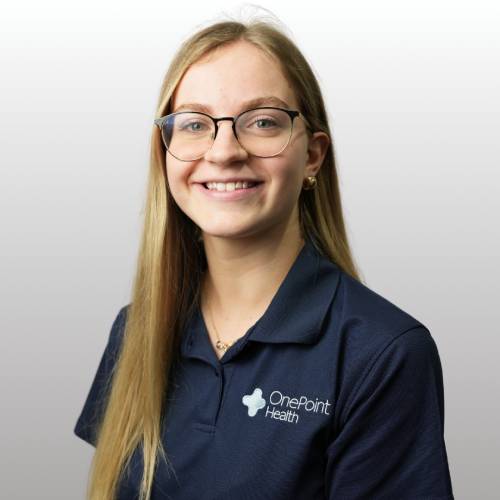
Jessica Orchard
Healthcare Support Officer
Available at Blaxland
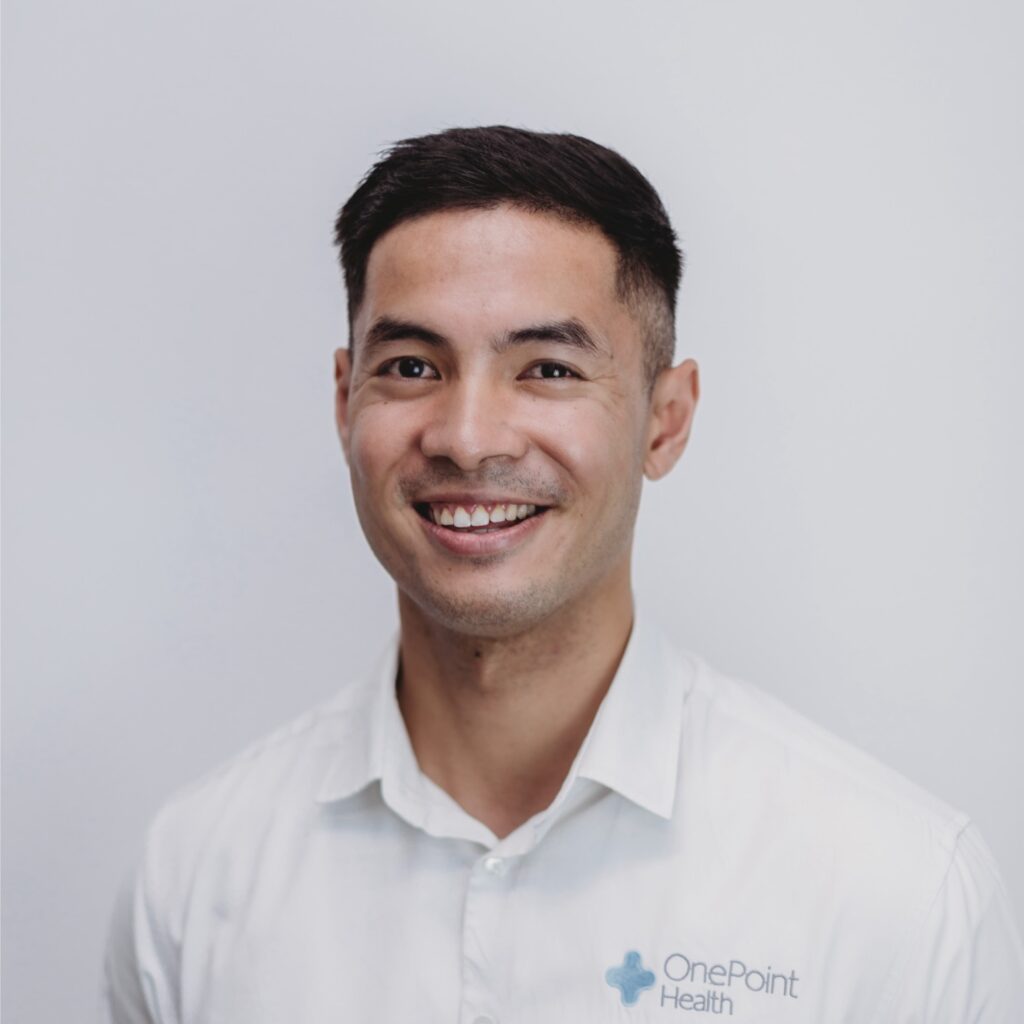
Jonathan Lopez
Healthcare Support Officer
Available at Blaxland
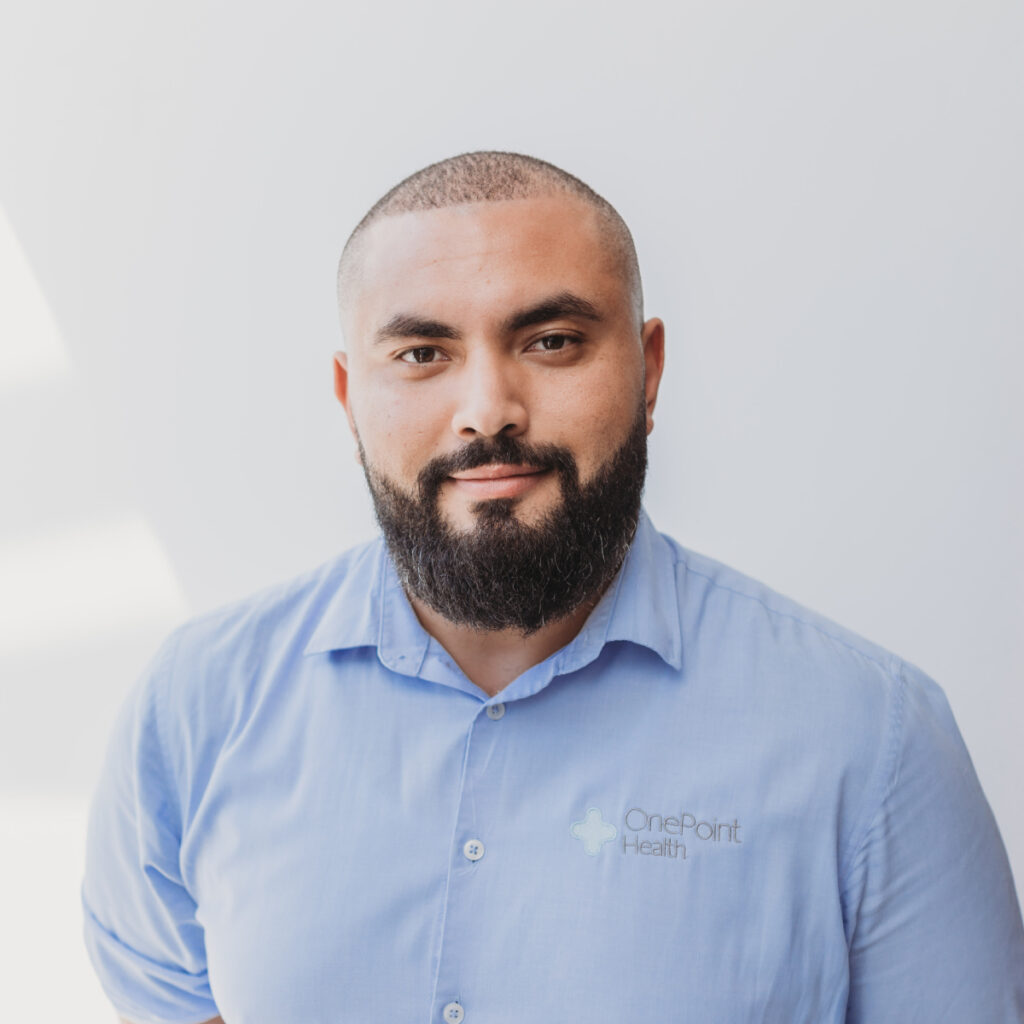
Justin Hanna
Healthcare Support Officer
Available at Blaxland
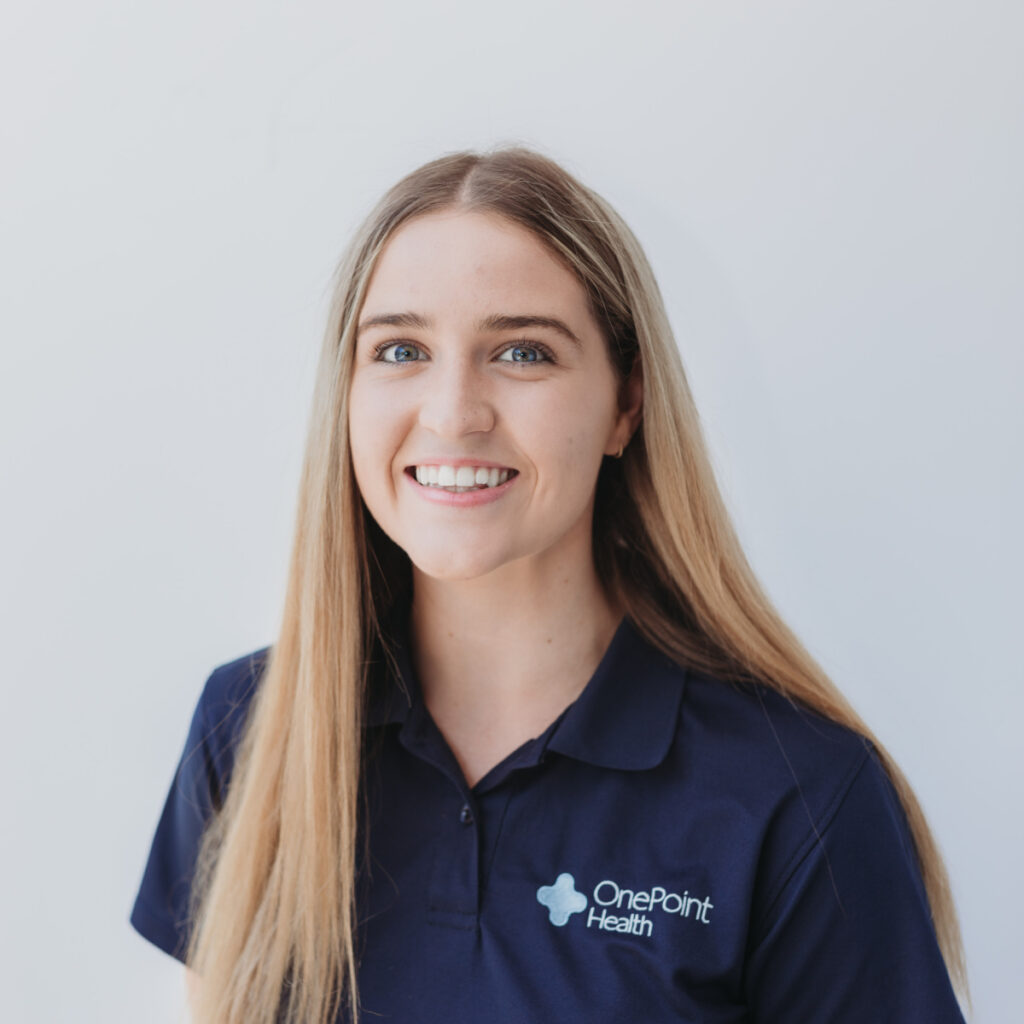
Kasey Collins
Healthcare Support Officer
Available at Blaxland
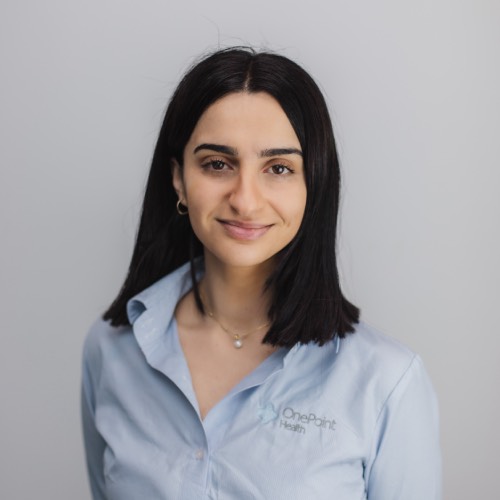
Katrina Gauci
Healthcare Support Officer
Available at Blaxland
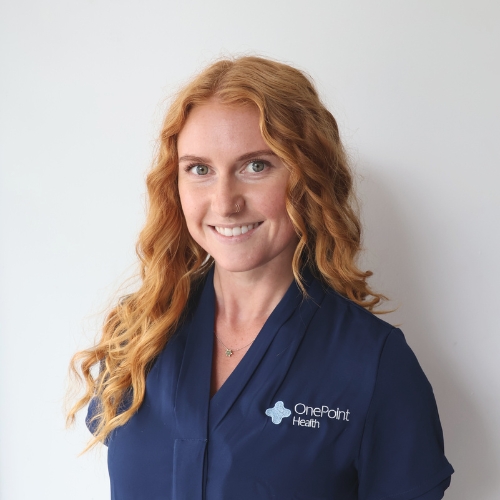
Kennedy Touet
Healthcare Support Officer
Available at Blaxland
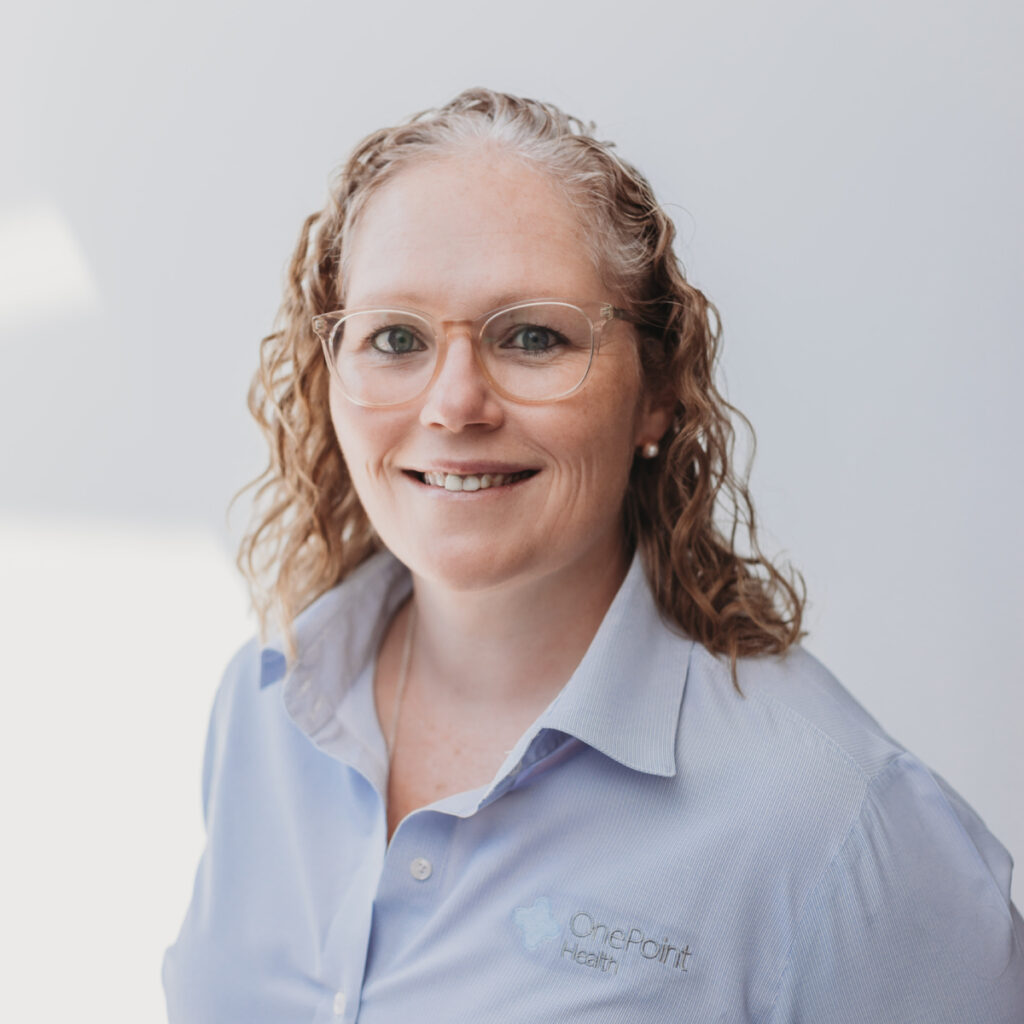
Kristy Edwards
Healthcare Support Officer
Available at Blaxland
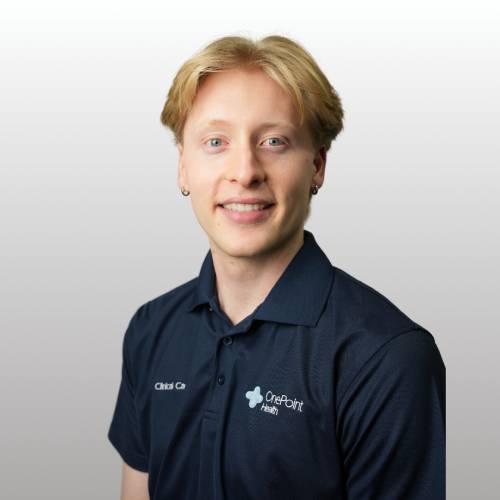
Kurt White
Healthcare Support Officer
Available at Blaxland
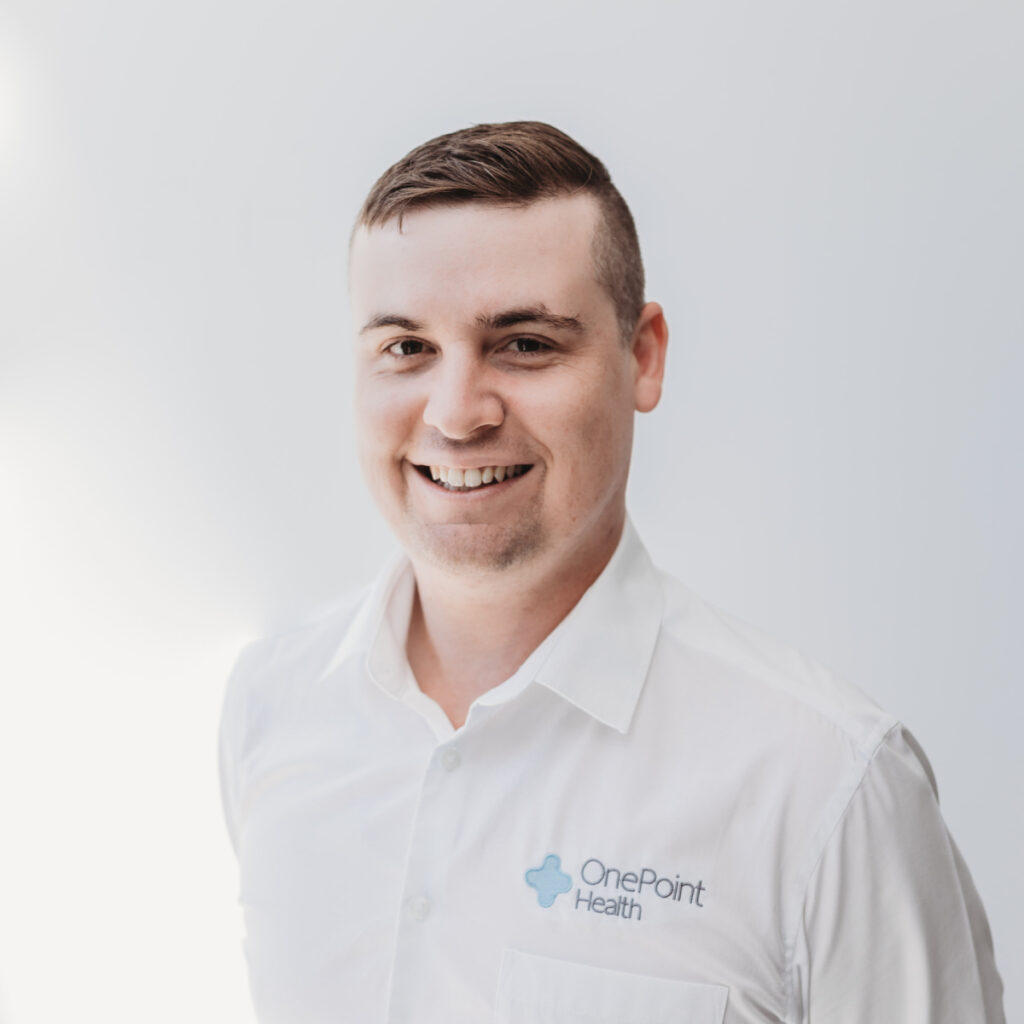
Kyle Perry
Healthcare Support Officer
Available at Blaxland
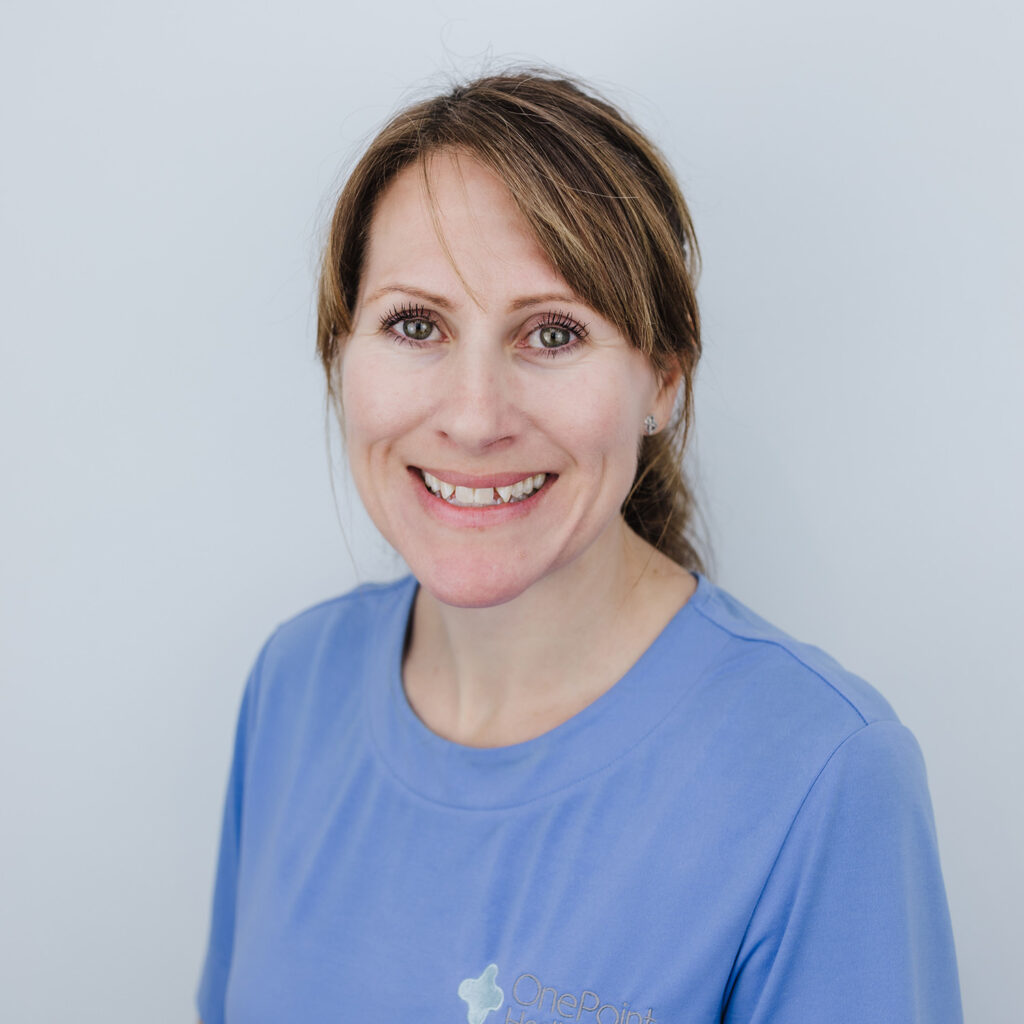
Kylie Saba
Healthcare Support Officer
Available at Blaxland
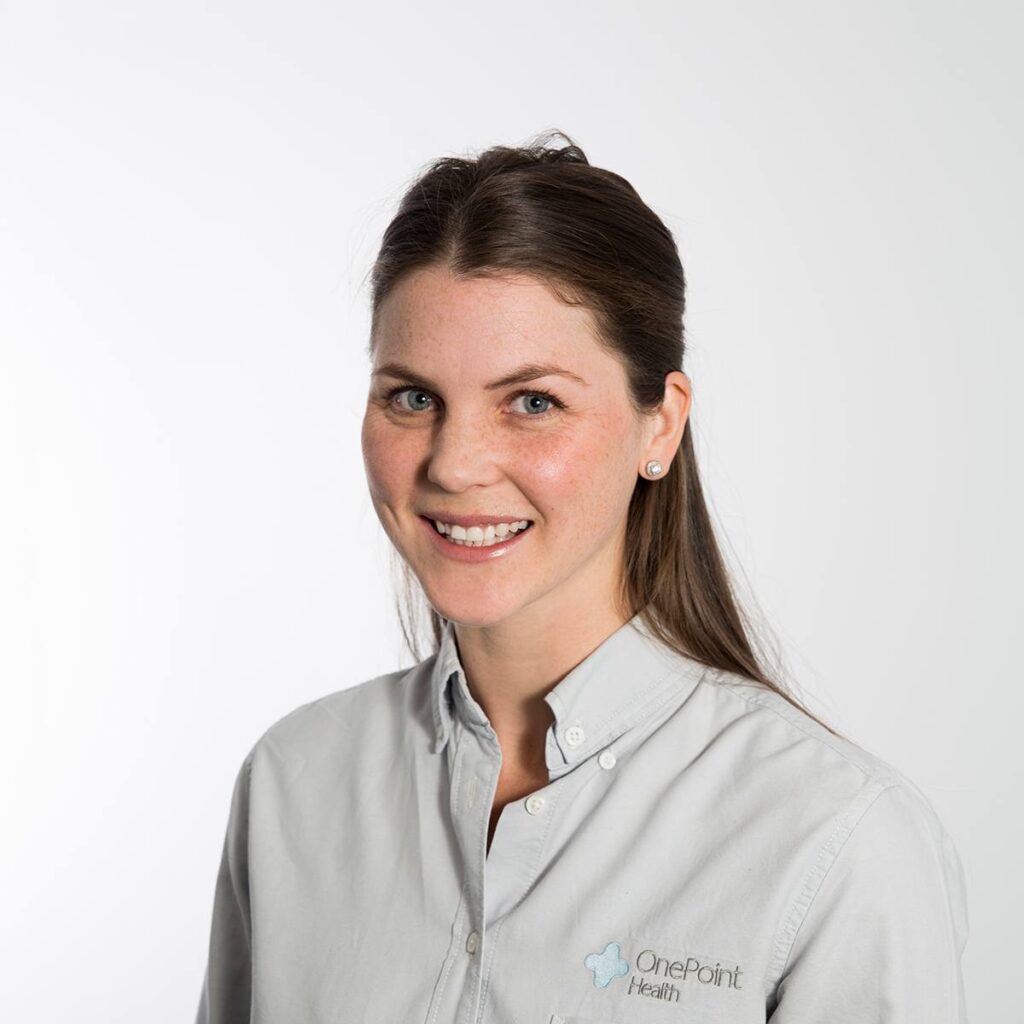
Lorna Nicastri
Healthcare Support Officer
Available at Blaxland
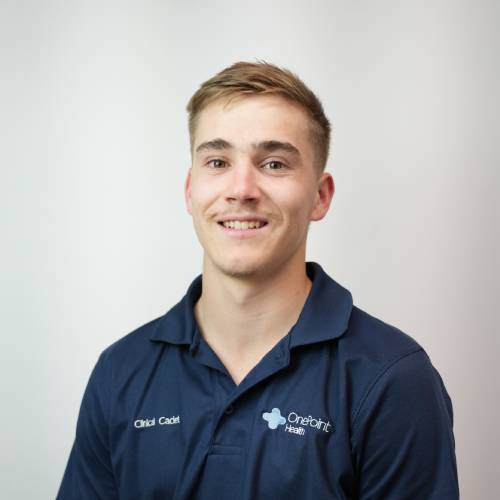
Lucas Barglik
Healthcare Support Officer
Available at Blaxland
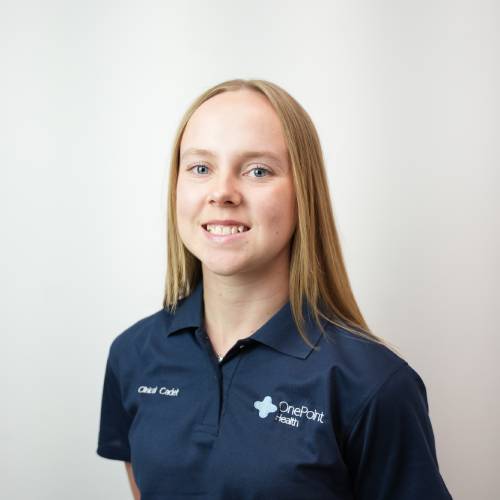
Mackenzie Gleeson
Healthcare Support Officer
Available at Blaxland
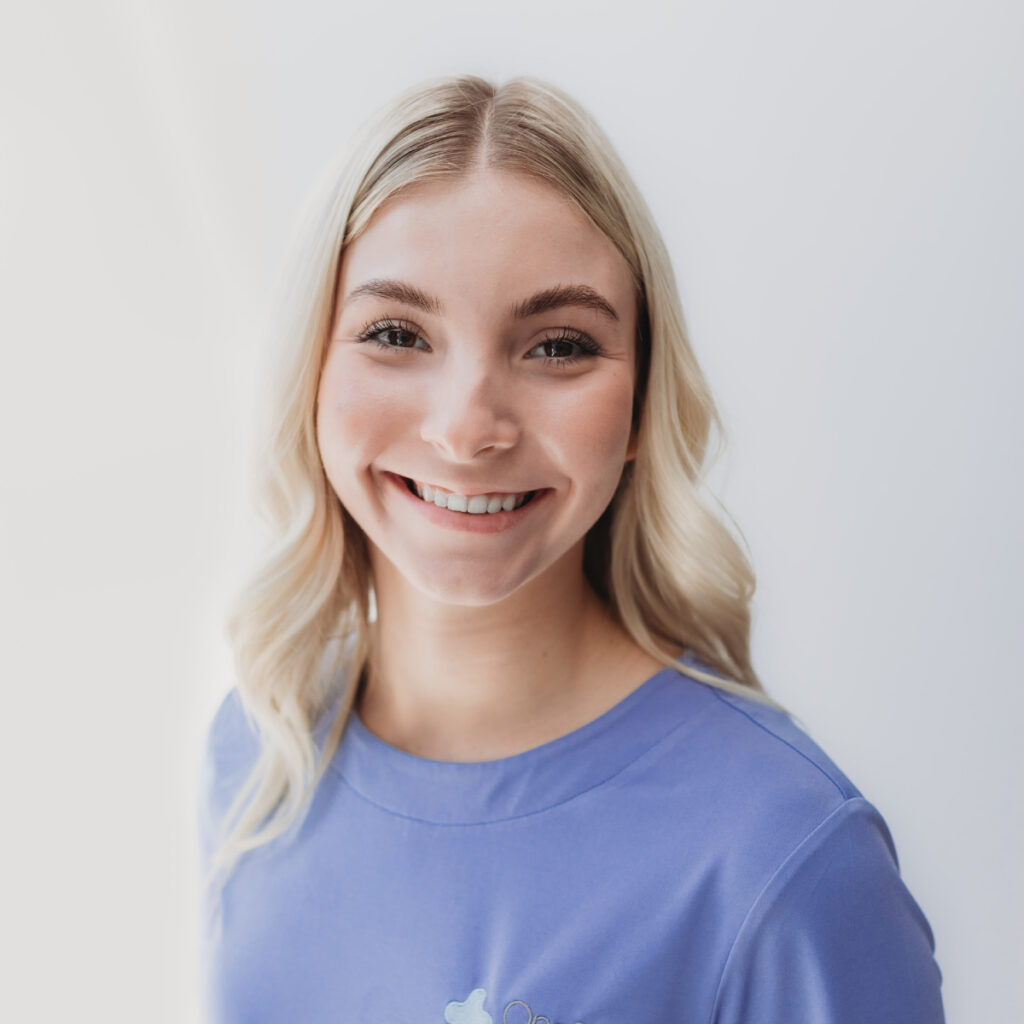
Madeleine Vella
Healthcare Support Officer
Available at Blaxland
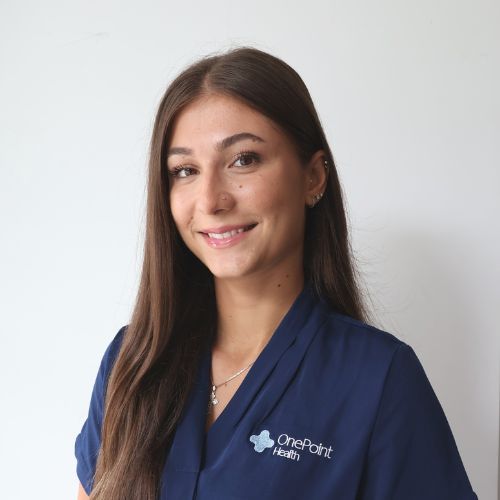
Maja Bosic
Healthcare Support Officer
Available at Blaxland

Marxy Koronel
Healthcare Support Officer
Available at Blaxland
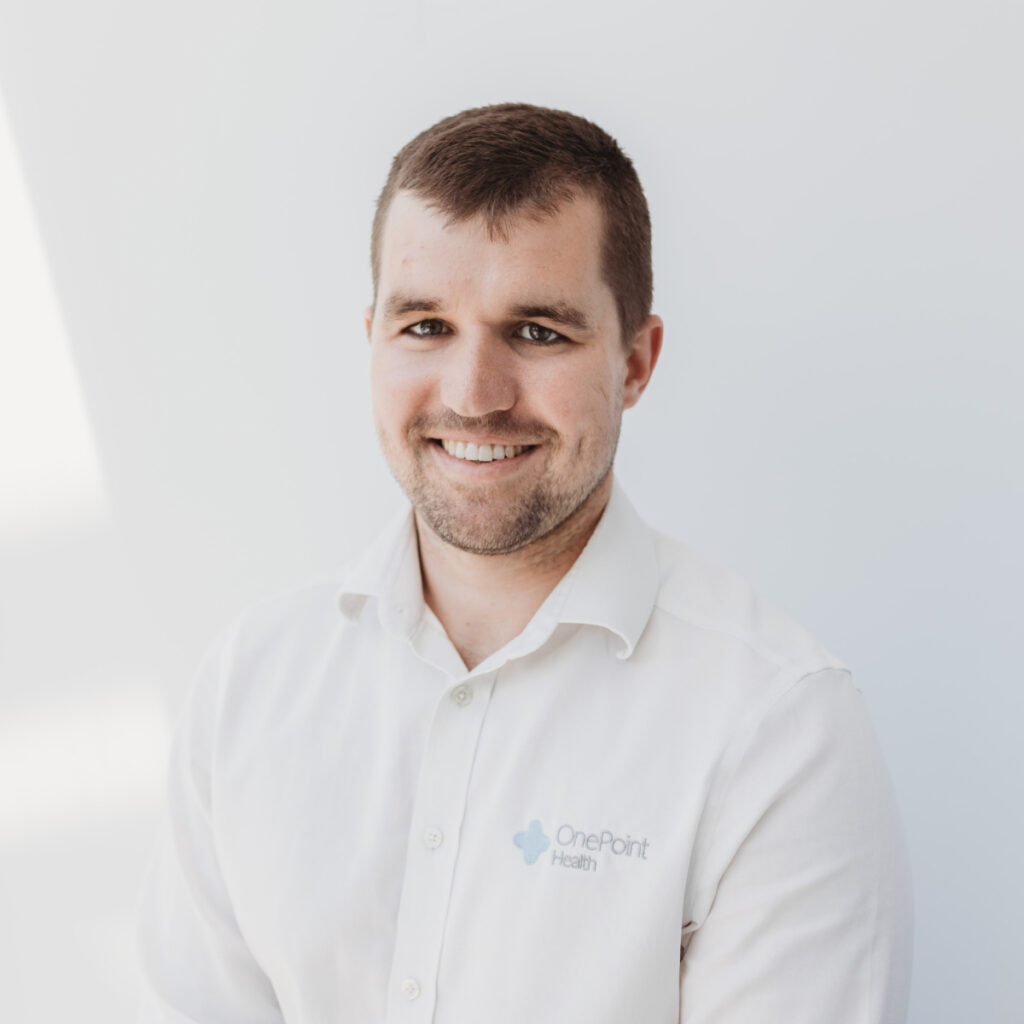
Matt Barton
Healthcare Support Officer
Available at Blaxland
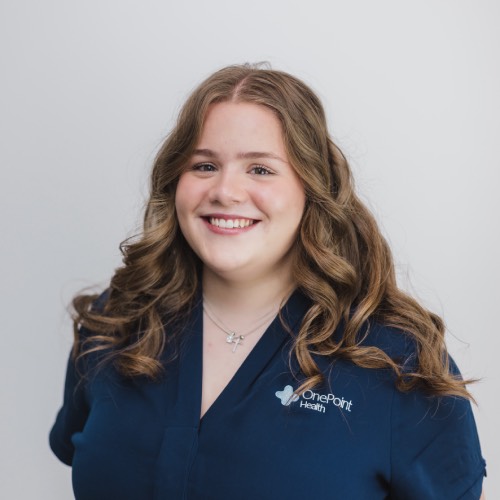
Mia Nikic
Healthcare Support Officer
Available at Blaxland
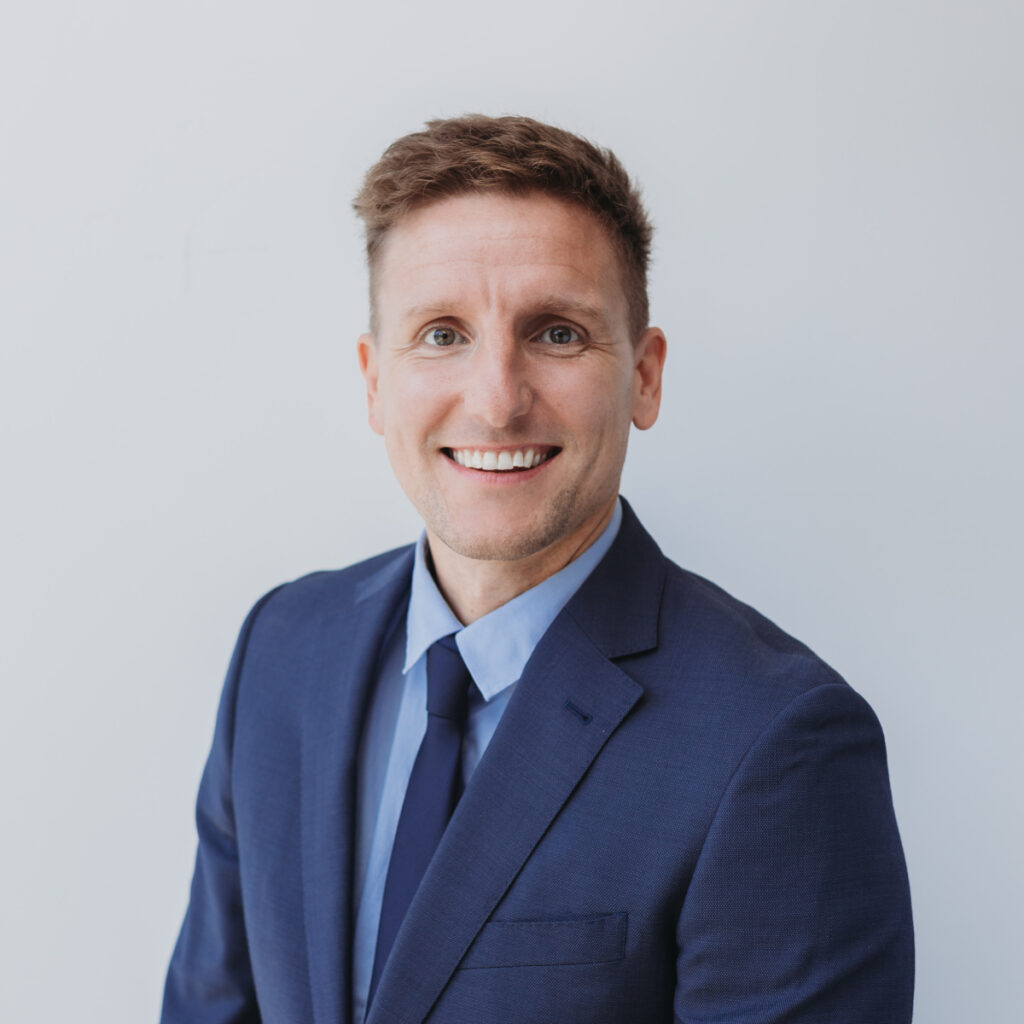
Michael Todd
Healthcare Support Officer
Available at Blaxland
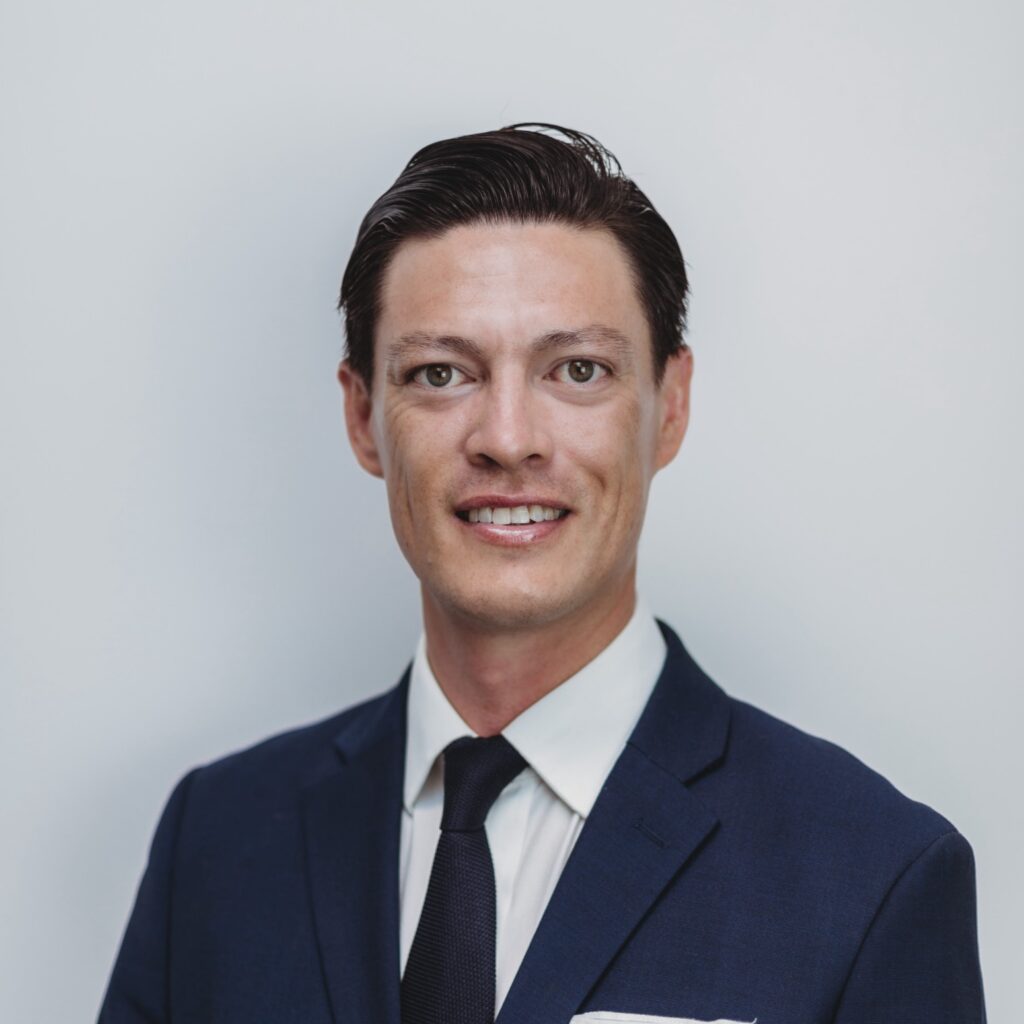
Mr Jeffery Jenkins FACPS
Healthcare Support Officer
Available at Blaxland
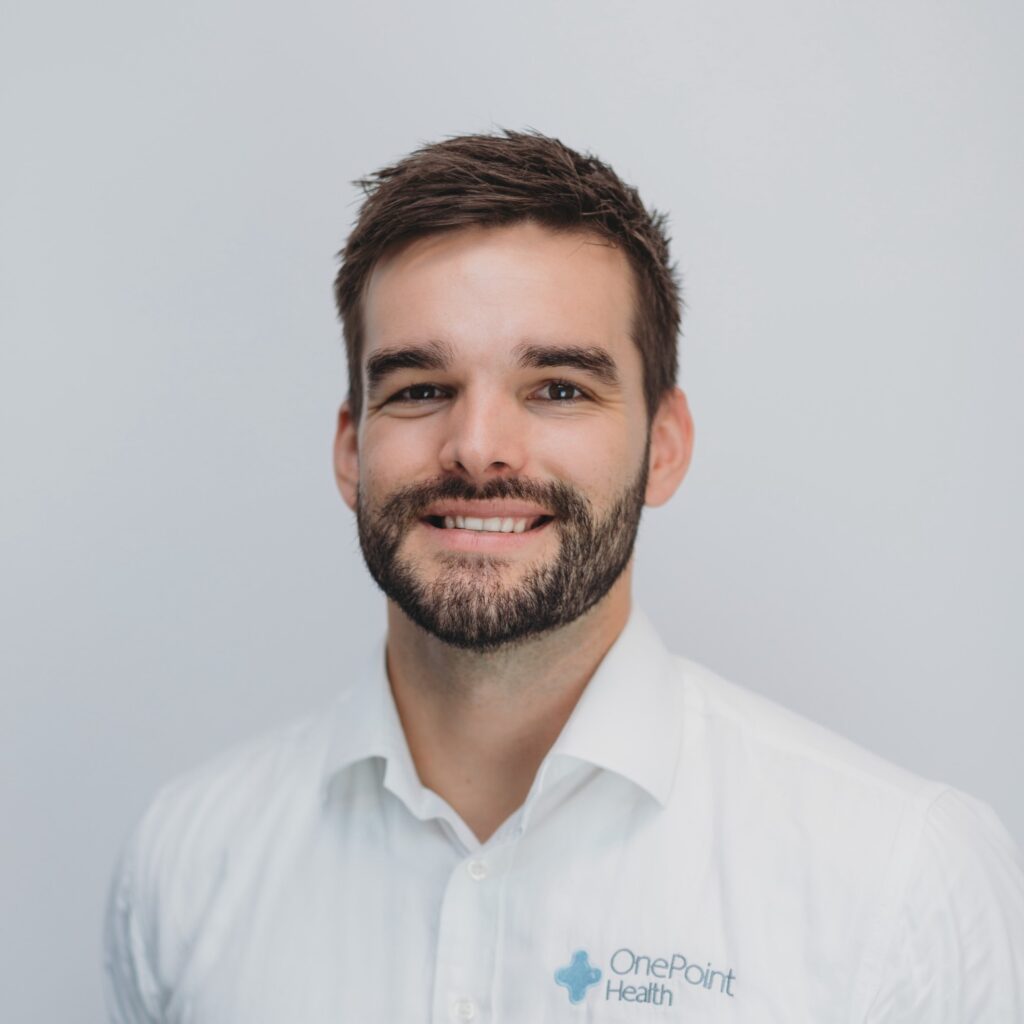
Nathan Cavanagh
Healthcare Support Officer
Available at Blaxland
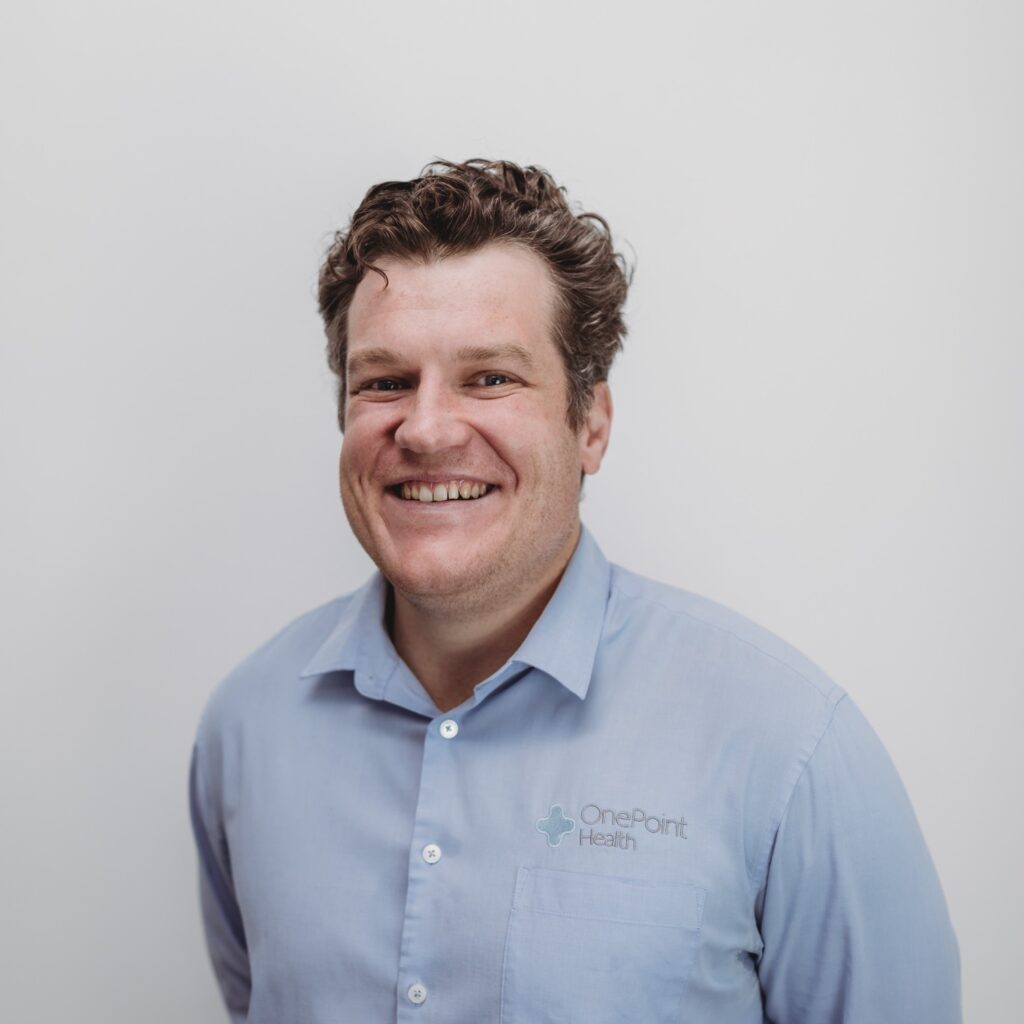
Oren Schulze
Healthcare Support Officer
Available at Blaxland
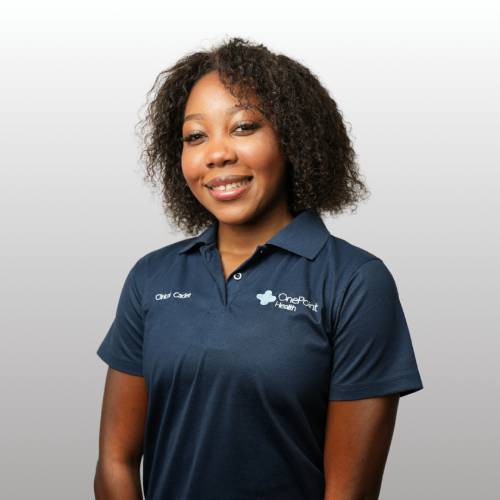
Patience Namiiro
Healthcare Support Officer
Available at Blaxland
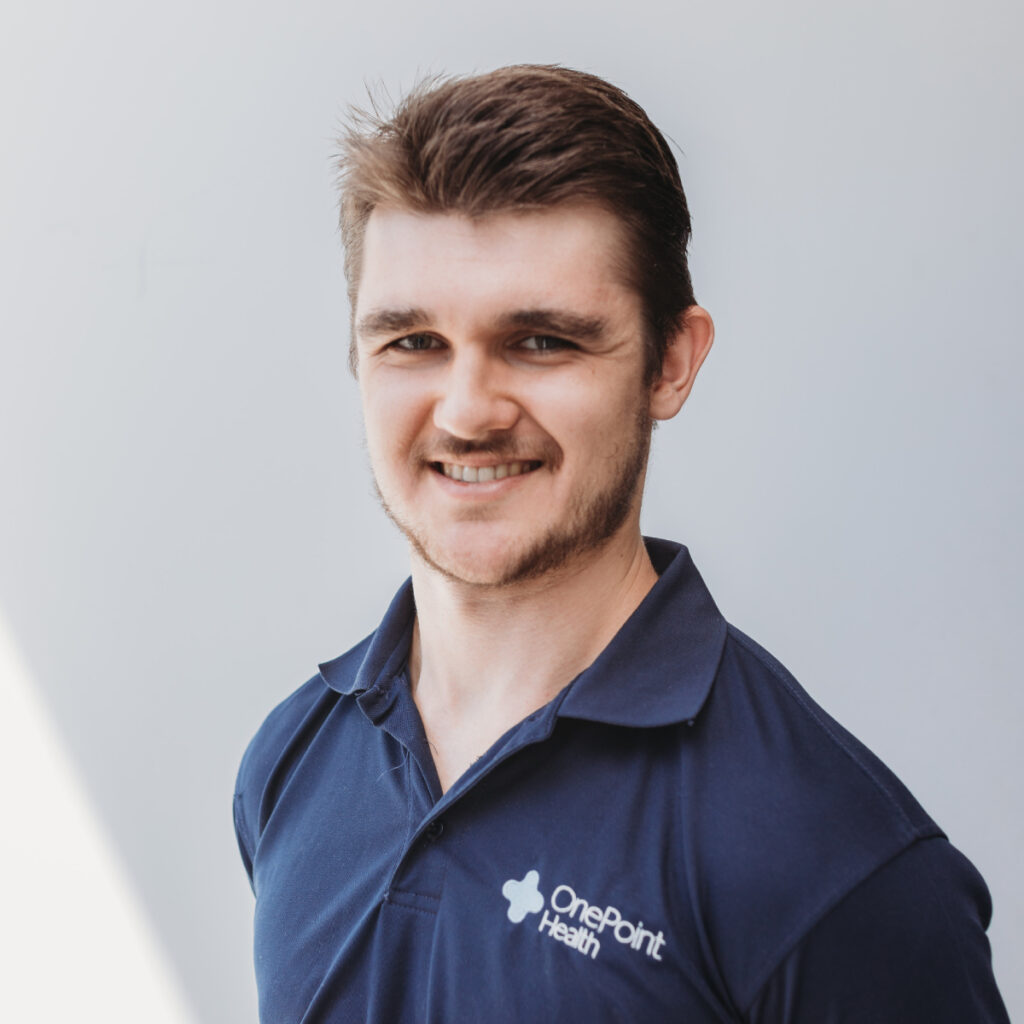
Patrick Celeban
Healthcare Support Officer
Available at Blaxland
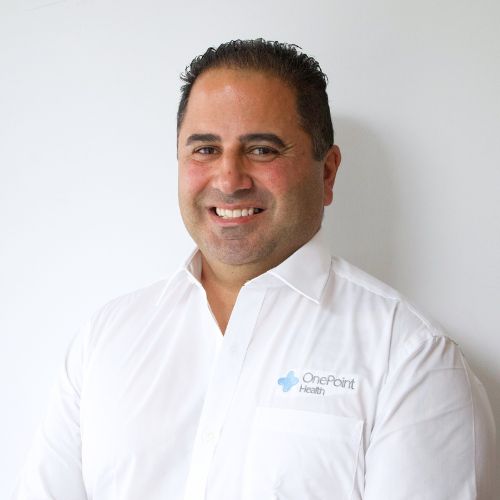
Paul Sawaqed
Healthcare Support Officer
Available at Blaxland
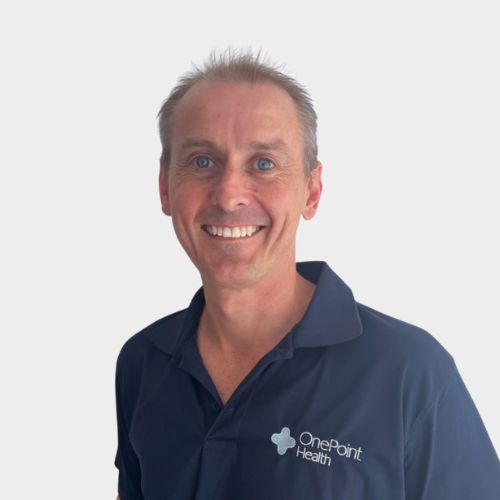
Phillip Hartshorne
Healthcare Support Officer
Available at Blaxland

Praise Khin
Healthcare Support Officer
Available at Blaxland
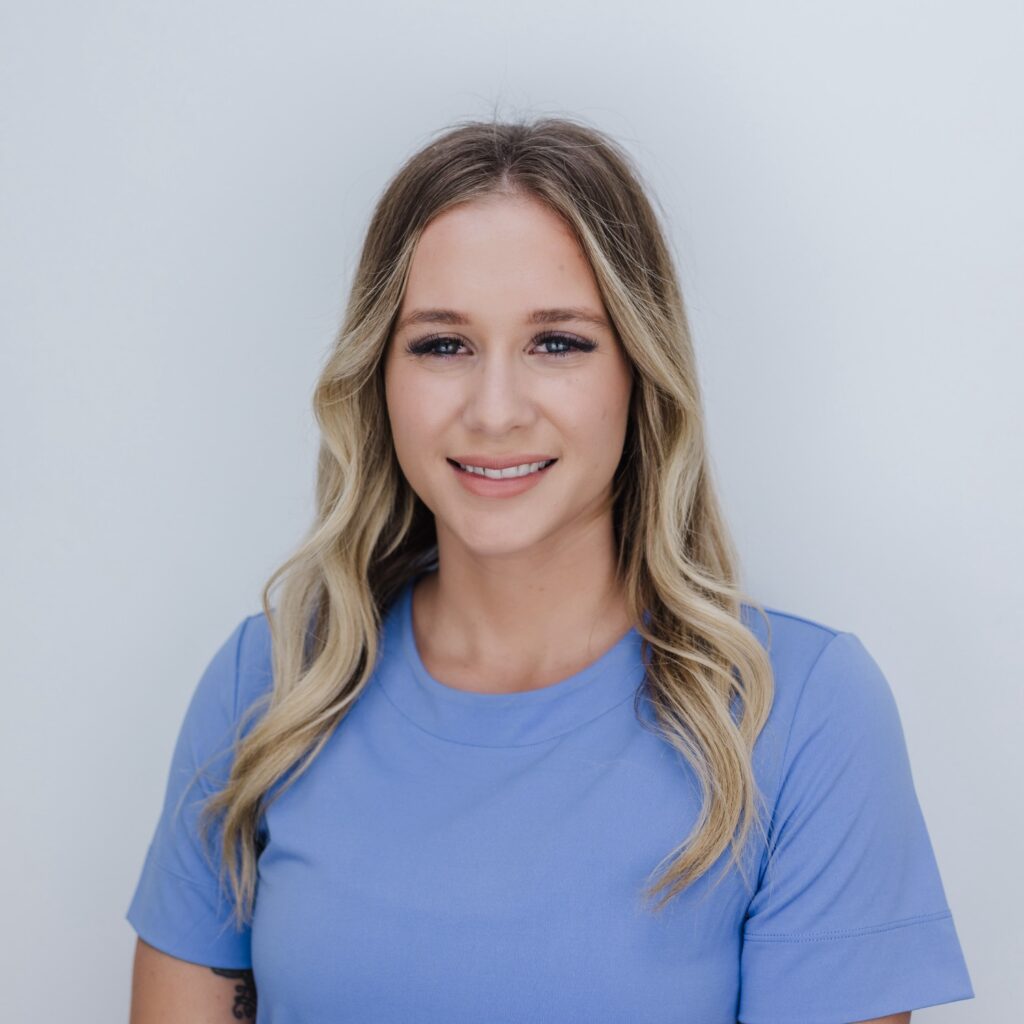
Rebecca Samuels
Healthcare Support Officer
Available at Blaxland
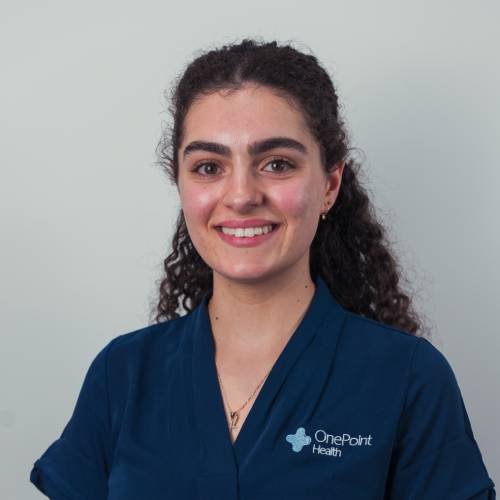
Rianna Nicotera
Healthcare Support Officer
Available at Blaxland
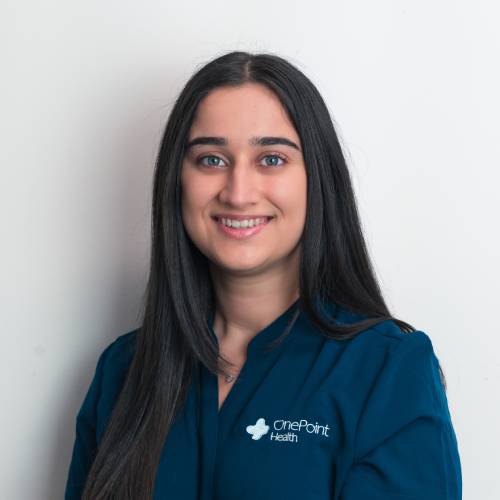
Sarah Bonnici
Healthcare Support Officer
Available at Blaxland
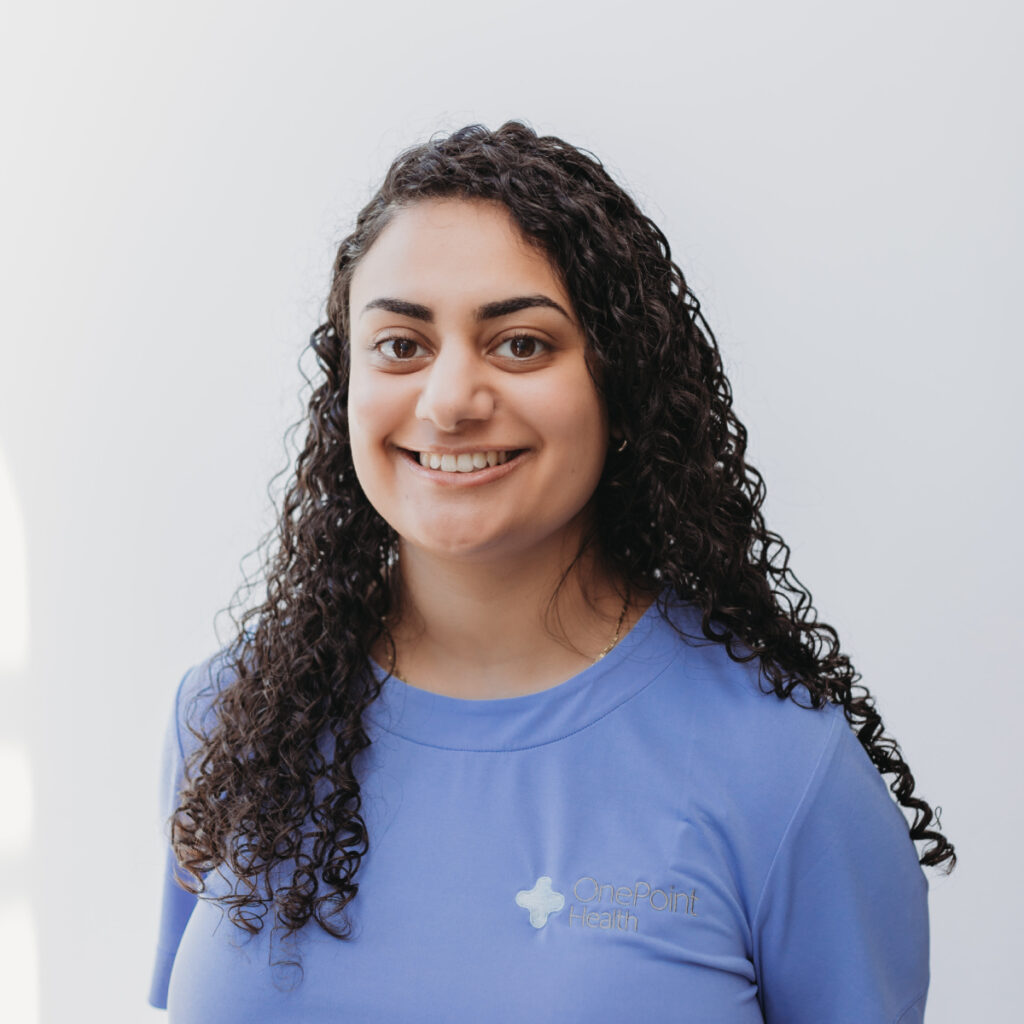
Sarah Fenter
Healthcare Support Officer
Available at Blaxland
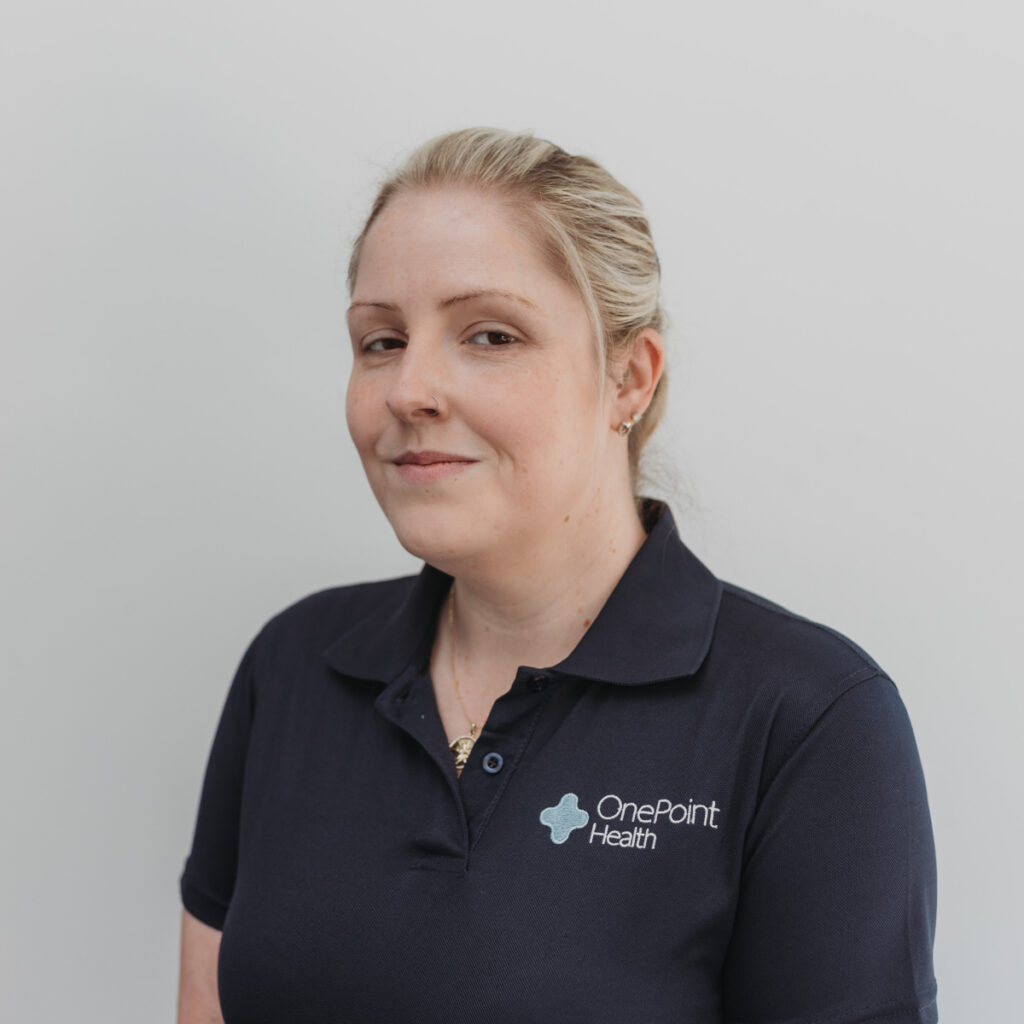
Shannon Smith
Healthcare Support Officer
Available at Blaxland
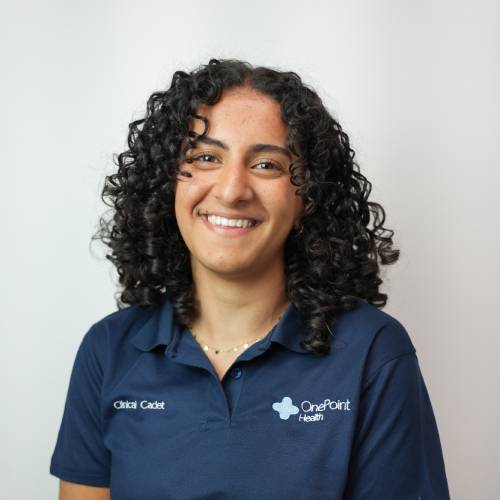
Shara Percival
Healthcare Support Officer
Available at Blaxland
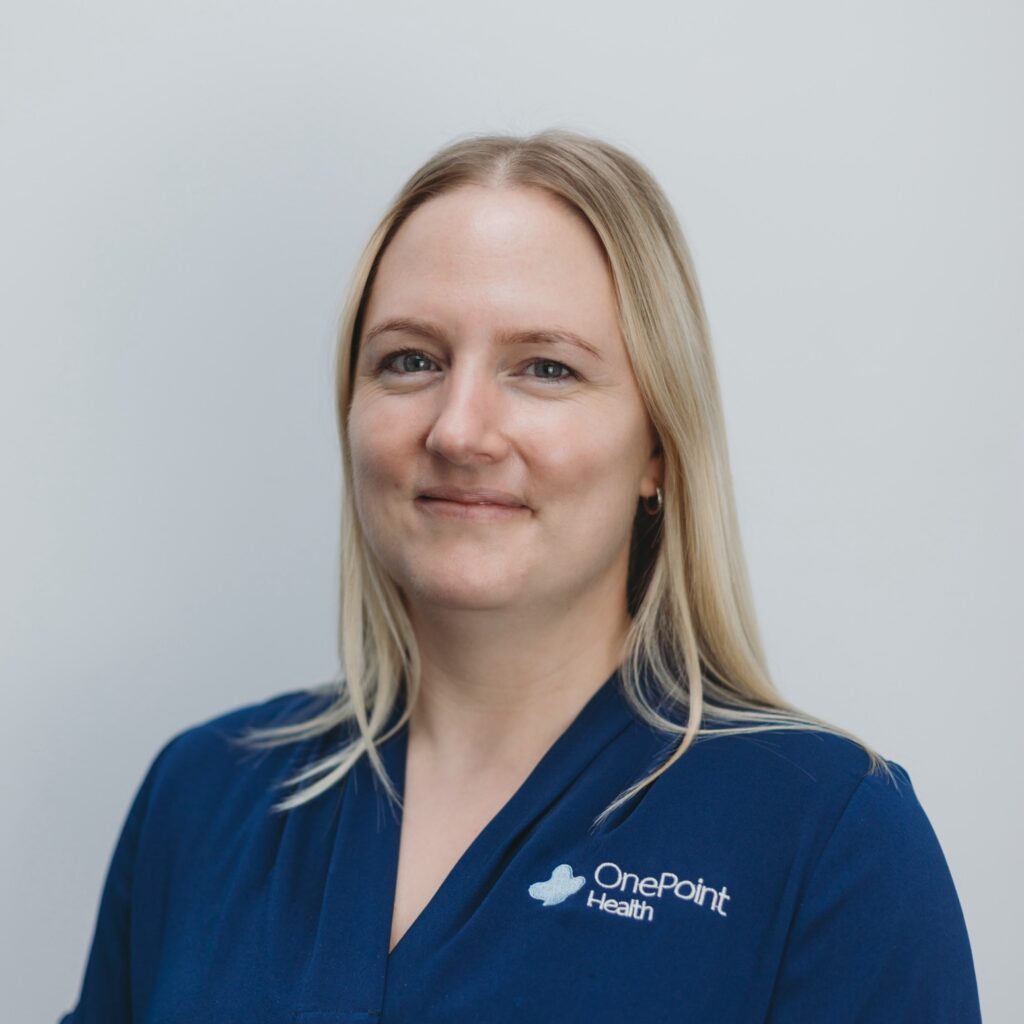
Sherie Casson
Healthcare Support Officer
Available at Blaxland
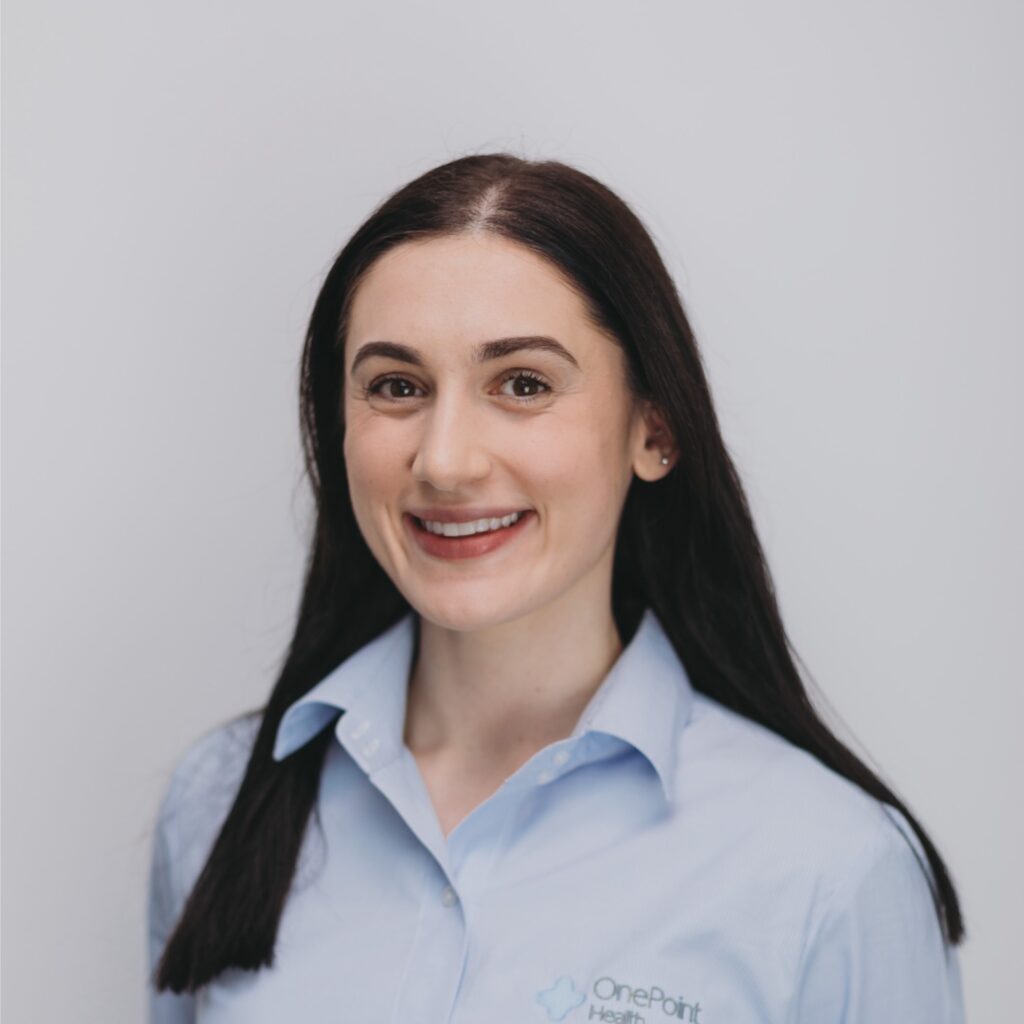
Siobhan Kelly
Healthcare Support Officer
Available at Blaxland
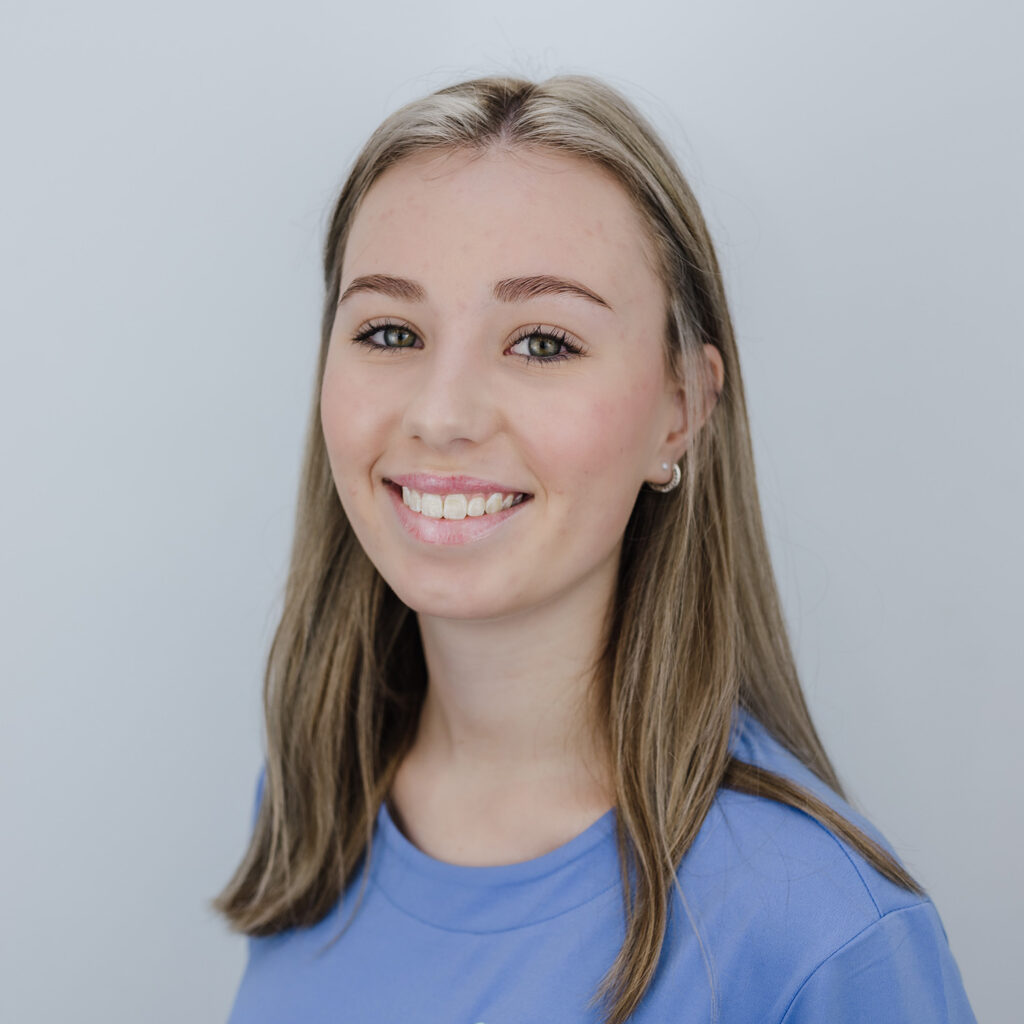
Summer Watson
Healthcare Support Officer
Available at Blaxland
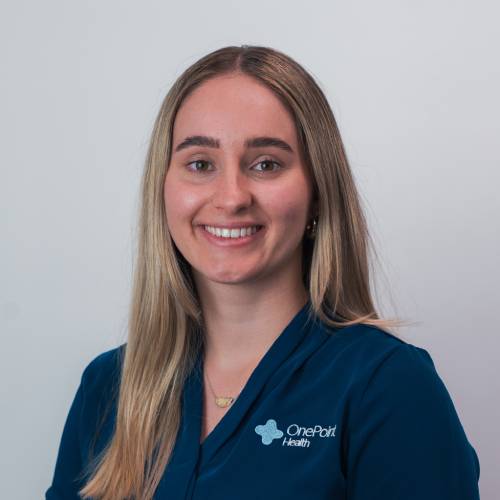
Taleisha Bozzi
Healthcare Support Officer
Available at Blaxland
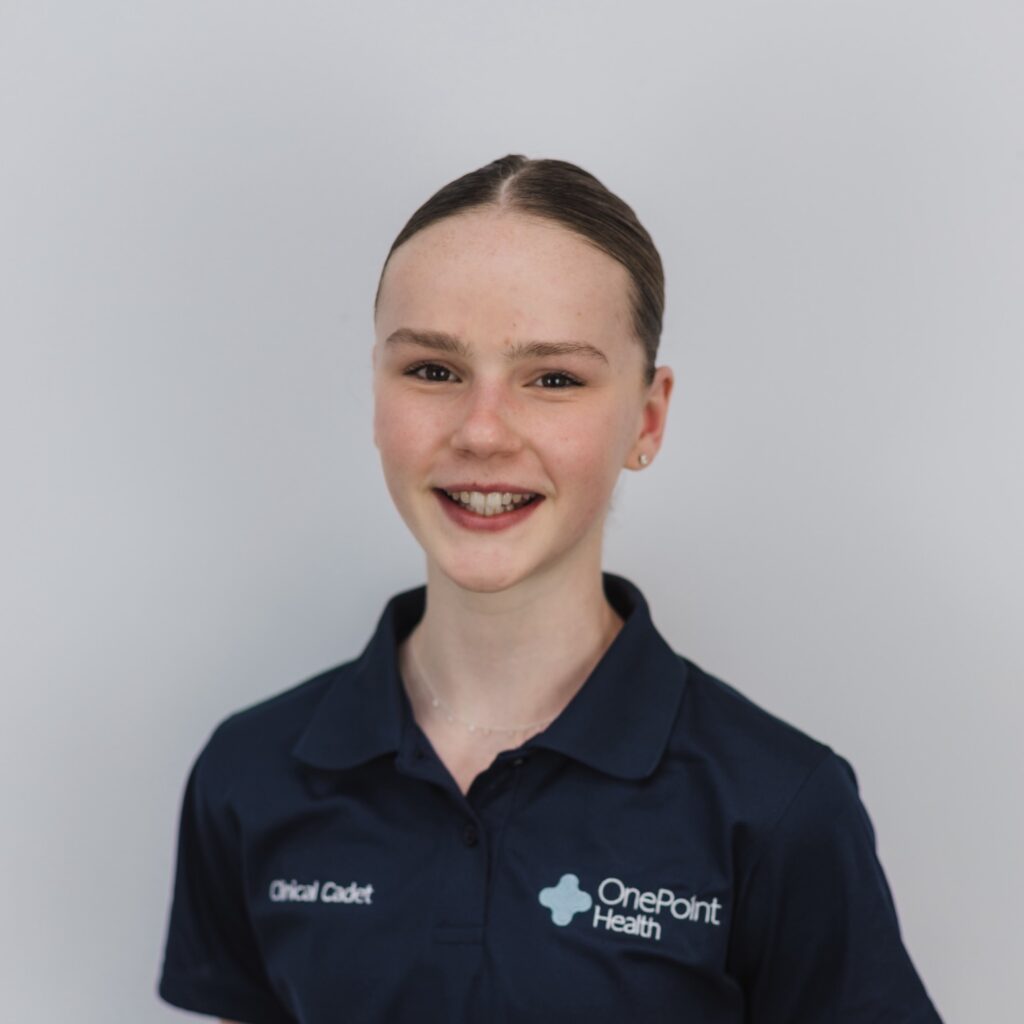
Tori McLean
Healthcare Support Officer
Available at Blaxland

Trystan Singh
Healthcare Support Officer
Available at Blaxland
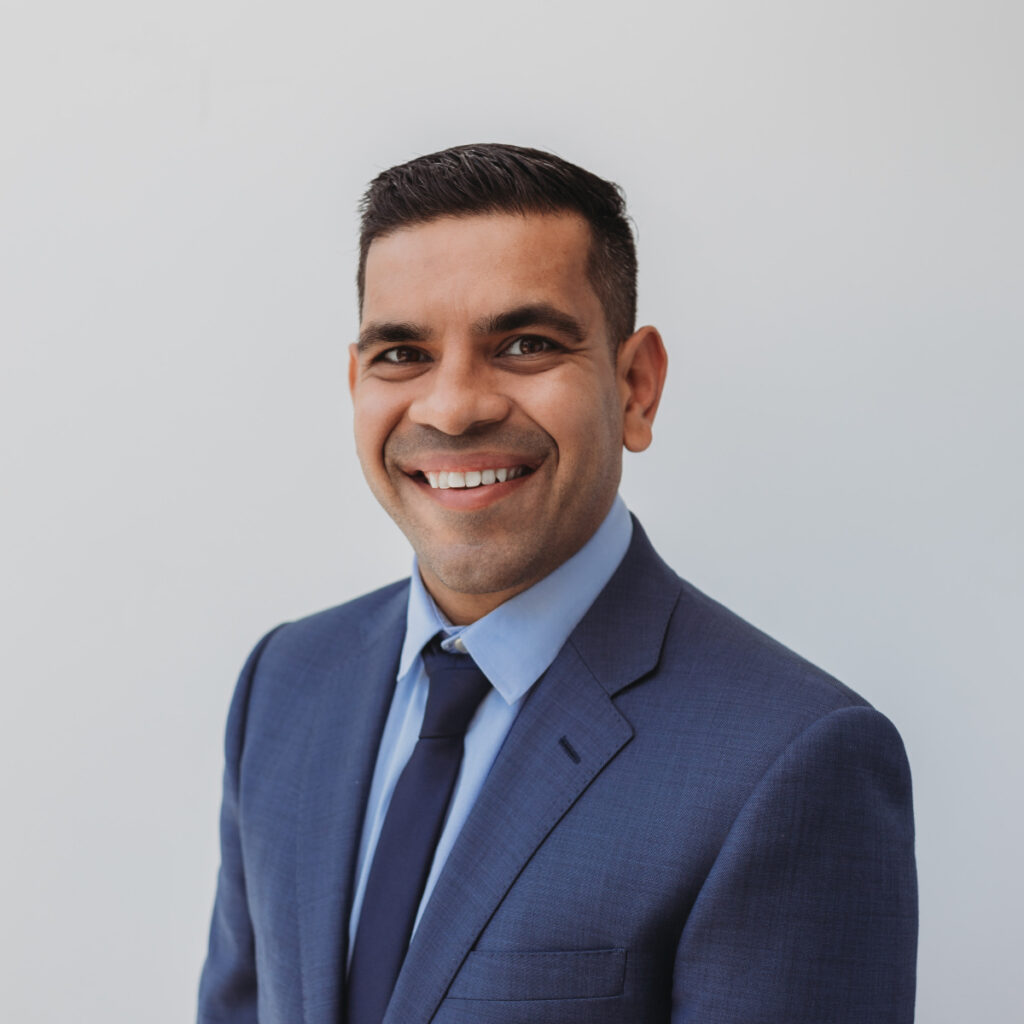
Uty Kotwal
Healthcare Support Officer
Available at Blaxland
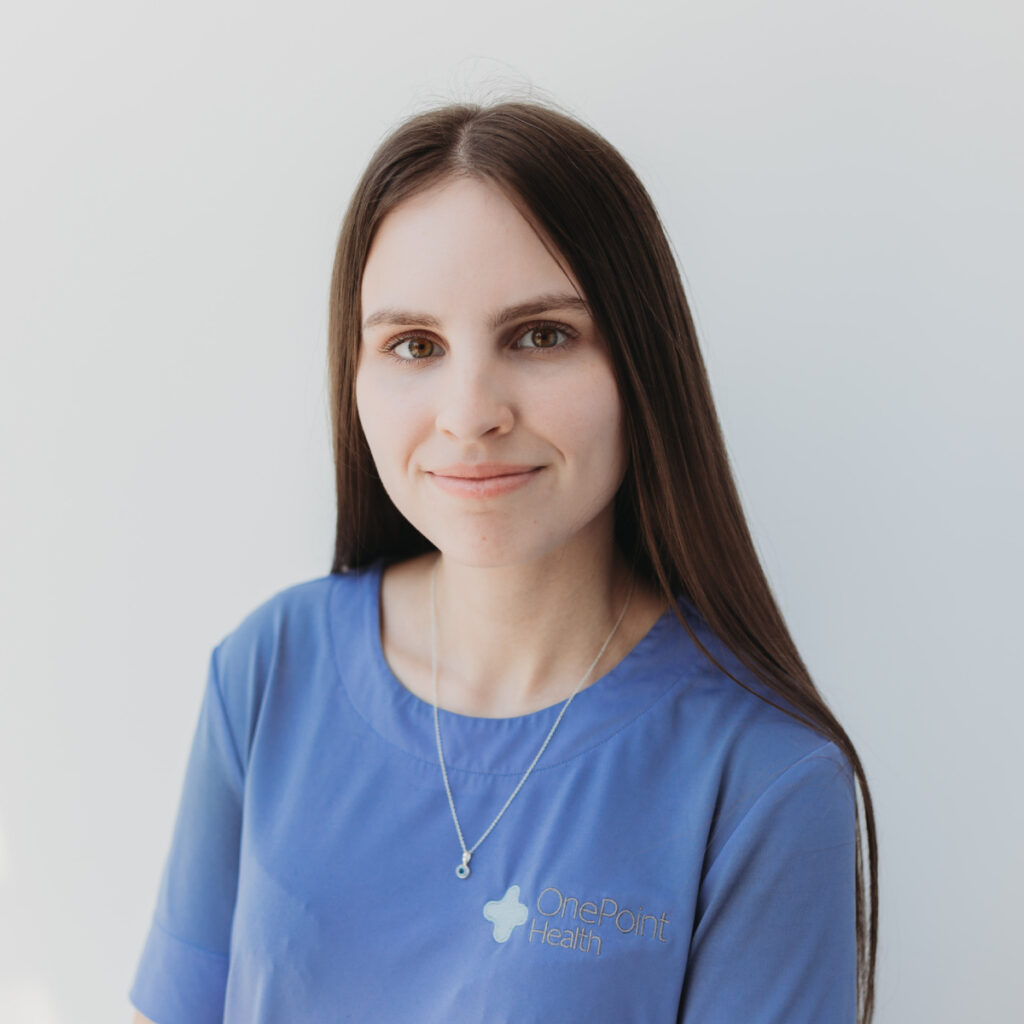
Veronica Theiss
Healthcare Support Officer
Available at Blaxland
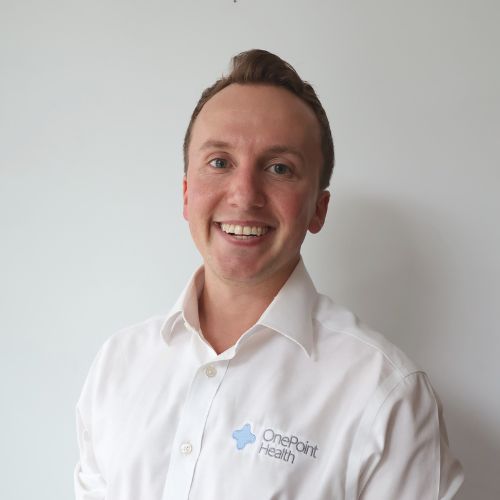
Yoni Hochberg
Healthcare Support Officer
Available at Blaxland
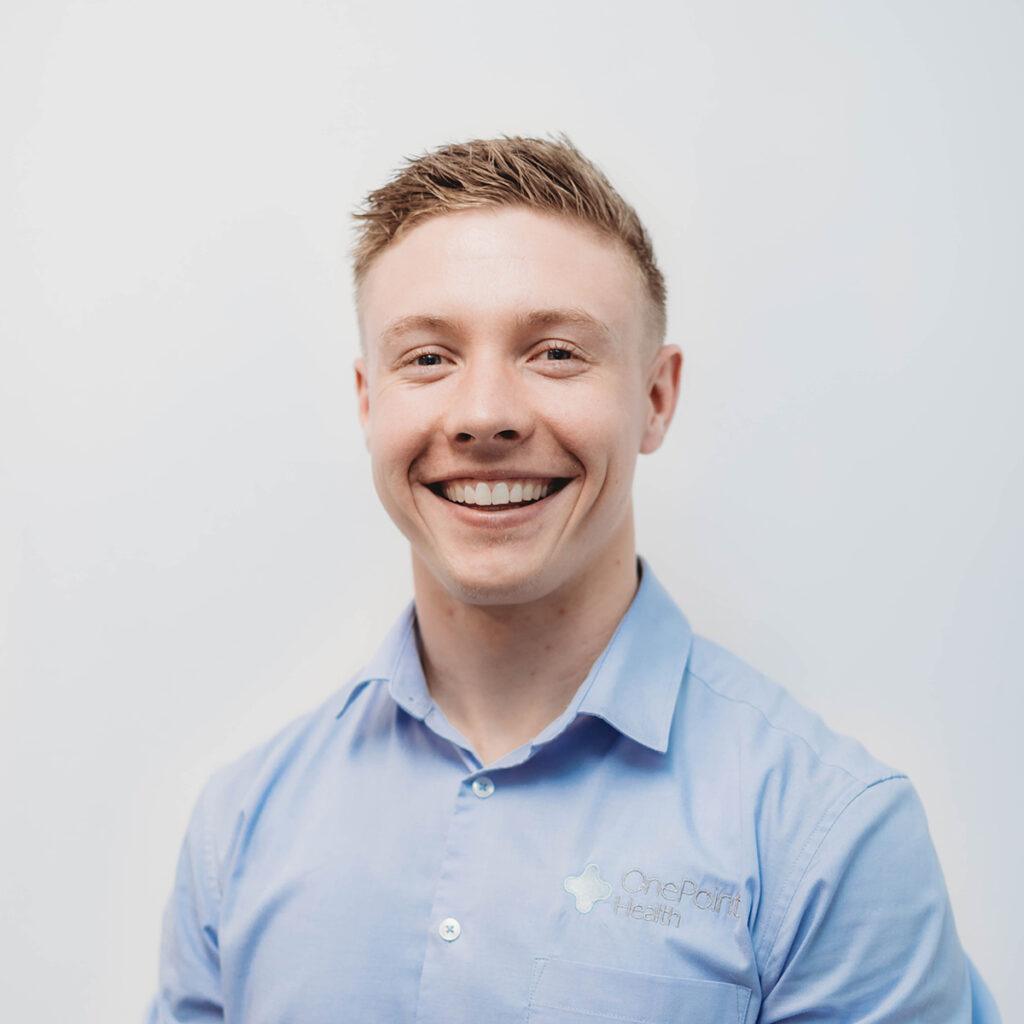
Zak Lloyd
Healthcare Support Officer
Available at Blaxland

Zane Awik
Healthcare Support Officer
Available at Blaxland
EPC, DVA, NDIS and WorkCover welcome
Nearly half of our appointments are funded through Medicare, DVA, NDIS or WorkCover. We manage the paperwork so you can focus on your health.
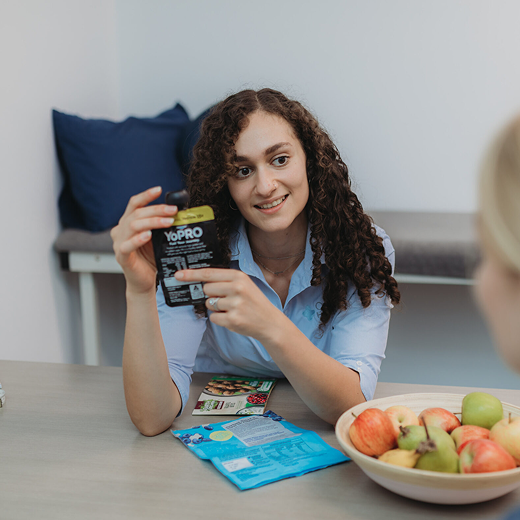

Medicare (EPC)
Your GP can refer you for up to five Medicare-rebated allied health sessions per calendar year. We accept EPC referrals for podiatry, physiotherapy, exercise physiology, dietetics and psychology.

NDIS
We are a registered NDIS provider across podiatry, physiotherapy, exercise physiology, dietetics and psychology. We work directly with your plan manager and provide clear progress reporting.

Medicare (EPC)
Your GP can refer you for up to five Medicare-rebated allied health sessions per calendar year. We accept EPC referrals for podiatry, physiotherapy, exercise physiology, dietetics and psychology.

Medicare (EPC)
Your GP can refer you for up to five Medicare-rebated allied health sessions per calendar year. We accept EPC referrals for podiatry, physiotherapy, exercise physiology, dietetics and psychology.
Seven clinics across three regions
Find a clinic near you. Each location is staffed by local practitioners who know your community.
Penrith
Western SydneyOur largest centre, with our full range of services under one roof.
TBD
Ropes Crossing
Western SydneyPodiatry, at Ropes Crossing Village.
TBD
Blaxland
Western SydneyPodiatry, physiotherapy, exercise physiology and group classes.
TBD
Springwood
Western SydneyPodiatry, dietetics and a boutique footwear store.
TBD
Katoomba
Western SydneyPodiatry, physiotherapy, dietetics and psychology, in a restored 1914 cottage.
TBD
Ryde
Western SydneyPodiatry, physiotherapy, dietetics, exercise physiology and psychology, with a footwear store and gait analysis.
TBD
Lindfield
Western SydneyPodiatry, with mobile podiatry across the North Shore and Northern Beaches.
TBD
Ready to get your strength back after surgery?
Book a physiotherapy assessment and start a rehabilitation program built around your surgeon’s plan.






Frequently asked questions
What does a podiatrist do?
Lorem ipsum dolor ist amte, consectetuer adipiscing eilt. Aenean commodo ligula egget dolor. Aenean massa. Cum sociis natoque penatibus et magnis dis parturient montes, nascetur ridiculus mus. Donec quak felis, ultricies nec, pellentesque eu, pretium quid, sem.
What does a podiatrist do?
Lorem ipsum dolor ist amte, consectetuer adipiscing eilt. Aenean commodo ligula egget dolor. Aenean massa. Cum sociis natoque penatibus et magnis dis parturient montes, nascetur ridiculus mus. Donec quak felis, ultricies nec, pellentesque eu, pretium quid, sem.
What does a podiatrist do?
Lorem ipsum dolor ist amte, consectetuer adipiscing eilt. Aenean commodo ligula egget dolor. Aenean massa. Cum sociis natoque penatibus et magnis dis parturient montes, nascetur ridiculus mus. Donec quak felis, ultricies nec, pellentesque eu, pretium quid, sem.
What does a podiatrist do?
Lorem ipsum dolor ist amte, consectetuer adipiscing eilt. Aenean commodo ligula egget dolor. Aenean massa. Cum sociis natoque penatibus et magnis dis parturient montes, nascetur ridiculus mus. Donec quak felis, ultricies nec, pellentesque eu, pretium quid, sem.
What does a podiatrist do?
Lorem ipsum dolor ist amte, consectetuer adipiscing eilt. Aenean commodo ligula egget dolor. Aenean massa. Cum sociis natoque penatibus et magnis dis parturient montes, nascetur ridiculus mus. Donec quak felis, ultricies nec, pellentesque eu, pretium quid, sem.