
Take back control of your PCOS with a nutrition plan built around your body
Irregular periods, weight that will not shift, acne and constant fatigue can make it feel like your body is working against you. PCOS responds well to targeted nutrition and lifestyle changes.
Medicare, NDIS, DVA and private health funds accepted.

Polycystic ovary syndrome (PCOS) is a hormonal condition that affects how your ovaries work and how your body handles insulin. Nutrition is one of the most useful levers you have, because what you eat directly affects insulin, and insulin affects the hormones driving your symptoms.
A PCOS dietitian helps you build eating patterns that steady your blood glucose, support regular cycles and reduce the symptoms that bother you most. There is no single PCOS diet, so your plan is shaped around your results, your symptoms and the way you actually eat.
Affects women and people with ovaries, most often diagnosed between the late teens and mid thirties
One of the most common hormonal conditions, affecting roughly 8 to 13 per cent of women of reproductive age
Symptoms often improve gradually over months rather than weeks, and improvement varies from person to person
Managed by your dietitian, often alongside your GP, endocrinologist or gynaecologist
Medicare, NDIS, DVA and private health funds accepted

Who does it affect?

How common is it?

What is the recovery like?

Who should I see for treatment?

What funding options are available?
Medicare, NDIS, DVA and private health funds accepted
What is PCOS?
PCOS is diagnosed when at least two of three features are present: irregular or absent periods, raised androgen levels (male-type hormones) shown on a blood test or through symptoms like acne and excess hair, and a polycystic appearance on an ovarian ultrasound.
Insulin resistance sits underneath PCOS for many people. Your body makes insulin to move glucose from your blood into your cells. When cells respond poorly, your pancreas makes more insulin, and high insulin pushes the ovaries to produce more androgens. That is what disrupts ovulation and drives many of the symptoms you notice.
Things that can influence how strongly PCOS affects you:
Family history of PCOS or type 2 diabetes
Long gaps between meals, and eating patterns high in refined carbohydrates
Low levels of muscle-building activity, which reduces how well your body uses glucose
Poor sleep and sustained stress, which both raise insulin resistance
If you are trying to conceive, our fertility dietitian service covers preconception nutrition in more detail. Fertility dietitian [CONFIRM: link when live]

Symptoms of Pcos dietitian
PCOS looks different from person to person. Common signs include:
Irregular, very long or absent menstrual cycles
Acne, oily skin, or hair thinning at the scalp
Excess hair growth on the face, chest or abdomen
Weight gain around the middle, or difficulty losing weight
Energy crashes, strong sugar cravings and hunger soon after eating
Difficulty falling pregnant
Your assessment comes first. What your dietitian recommends depends on your blood results, your cycle, your symptoms and your goals.
Blood glucose stabilising meal structure
– pairing carbohydrates with protein, fat and fibre slows glucose absorption, which lowers the insulin spike that drives androgen production
Carbohydrate quality and distribution
– spreading quality carbohydrates across the day, rather than removing them, keeps energy steady and supports ovulation
Practical weight management, when relevant
– modest, sustainable change can improve insulin sensitivity and cycle regularity, without restrictive dieting
Nutrient review
– checking iron, vitamin D, B12 and folate, which are commonly low and contribute to fatigue
Supplement guidance
– evidence-based advice on what is worth taking, what is not, and how supplements interact with your medications
Habit and routine coaching
– meal planning, shopping and cooking strategies that survive shift work, study and busy weeks
What to expect at your first appointment
Tell us what is going on
You describe your cycle, your symptoms, your medications and what you have already tried.
A full assessment
Your dietitian reviews your recent blood results, your usual eating pattern, your activity, your sleep and your relationship with food.
A clear plan
You leave with specific changes to start on, written down, and a realistic order to tackle them in.
Review and adjust
At follow-up you track what shifted, and your plan is adjusted as your symptoms and results change.
When to book an appointment
Book an assessment if:
Your cycles have been irregular or absent for three months or more
Fatigue, cravings or weight changes are affecting your work, training or mood
You have tried cutting carbohydrates or following online PCOS plans without lasting change
You have a PCOS diagnosis and no clear idea what to eat
Looking after your lower back at home
These strategies suit most people with recent, uncomplicated back pain, and work alongside treatment rather than replacing it.
Family history of PCOS or type 2 diabetes
Long gaps between meals, and eating patterns high in refined carbohydrates
Low levels of muscle-building activity, which reduces how well your body uses glucose
Poor sleep and sustained stress, which both raise insulin resistance
Meet the team who treat this
Behind every appointment is a team of practitioners who know each other, trust each other and work together for you. Across seven clinics and nine disciplines, our team shares expertise, coordinates treatment plans and celebrates your progress together.

Abijith Anand
Healthcare Support Officer
Available at Blaxland
Aimee Fuller
Healthcare Support Officer
Available at Blaxland
Alicia Whiticker
Healthcare Support Officer
Available at Blaxland

Amanda Banks
Healthcare Support Officer
Available at Blaxland
Amanda Duggan
Healthcare Support Officer
Available at Blaxland
Amy Meekings
Healthcare Support Officer
Available at Blaxland

Anita Beerapu
Healthcare Support Officer
Available at Blaxland
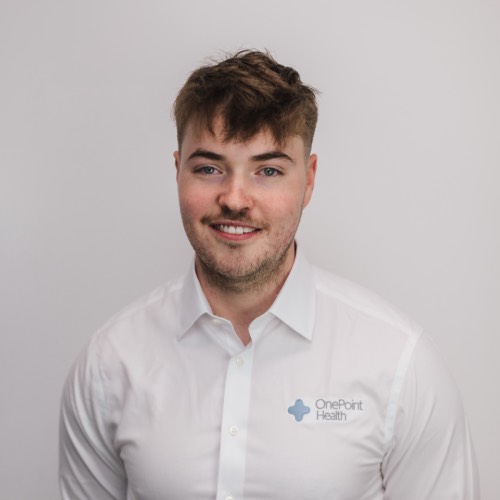
Benjamin Tucker
Healthcare Support Officer
Available at Blaxland
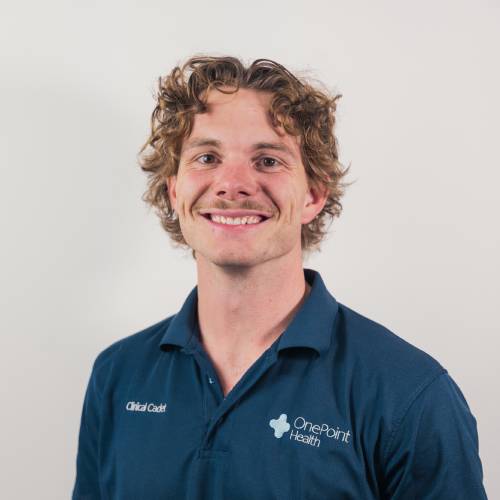
Blake Ciscato
Healthcare Support Officer
Available at Blaxland
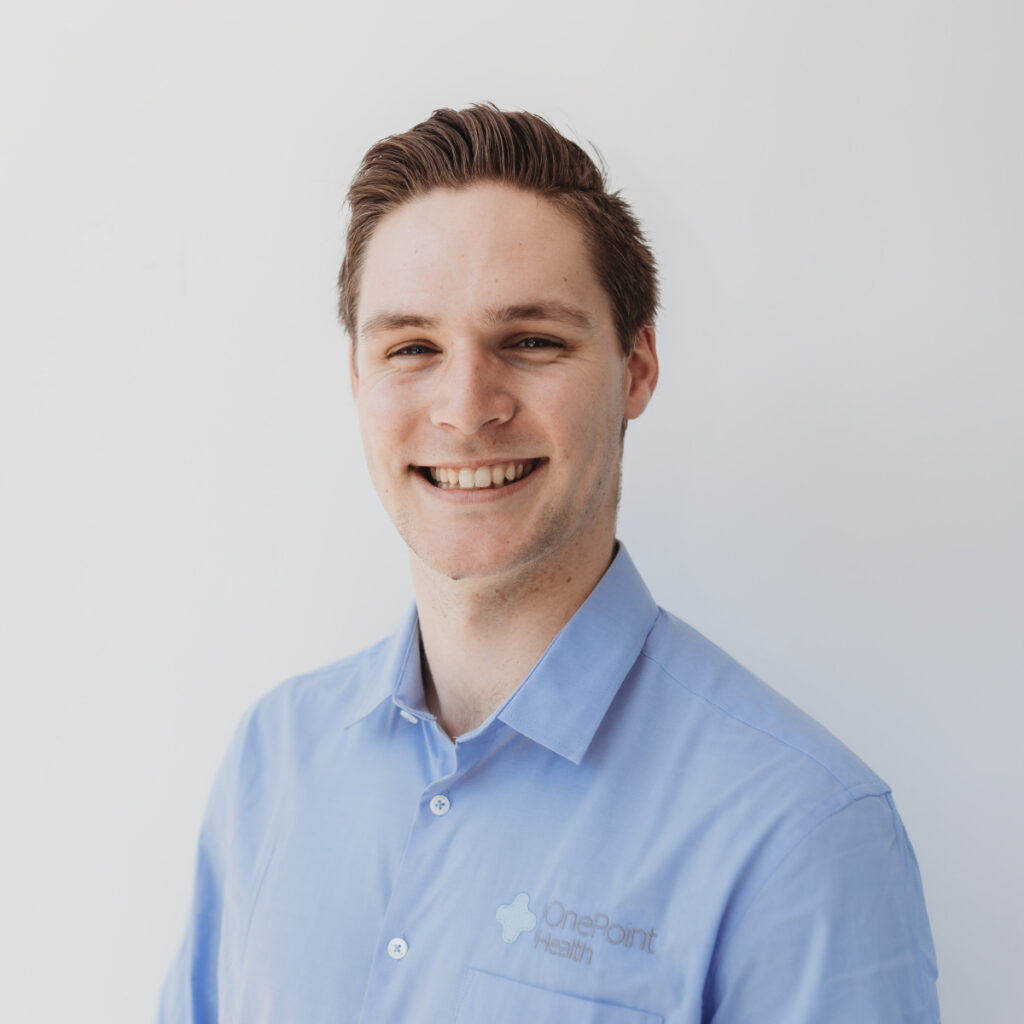
Blake Cossor
Healthcare Support Officer
Available at Blaxland
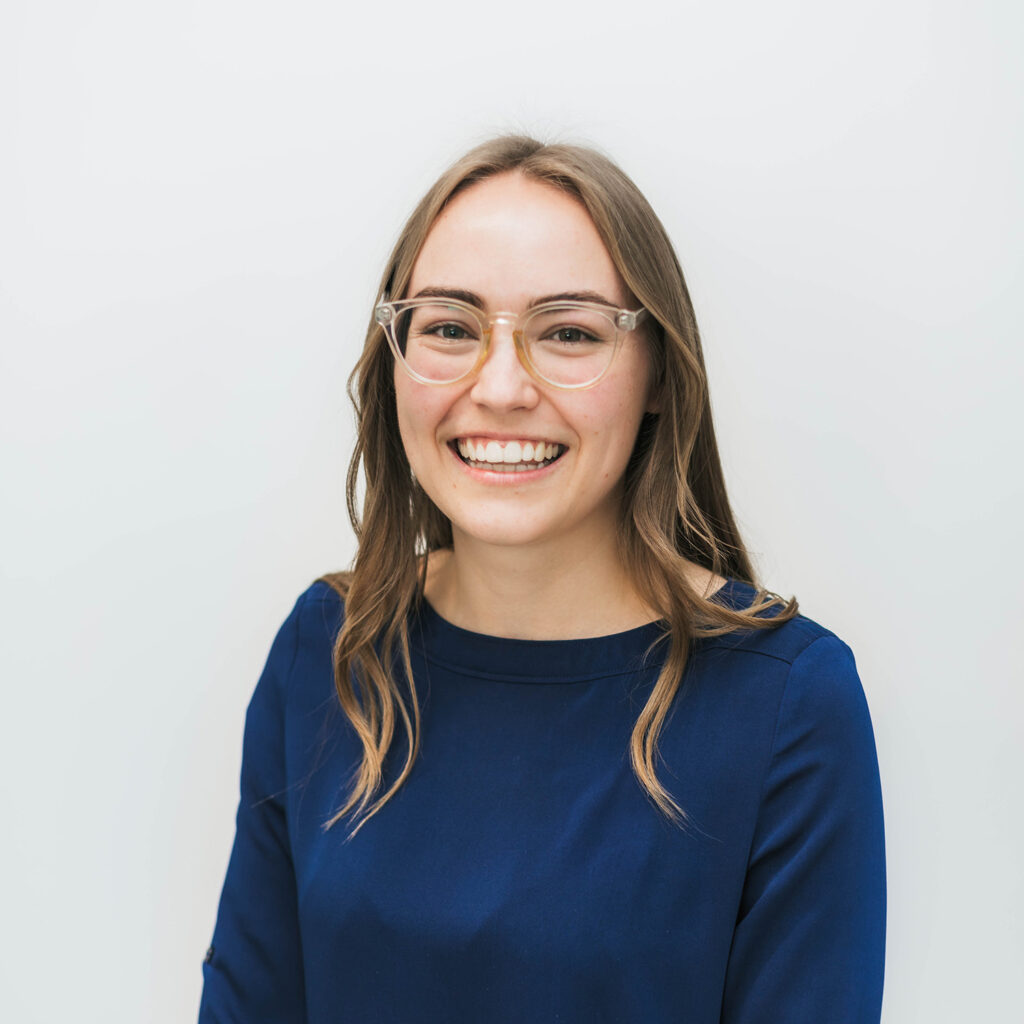
Bronte Tupper
Healthcare Support Officer
Available at Blaxland
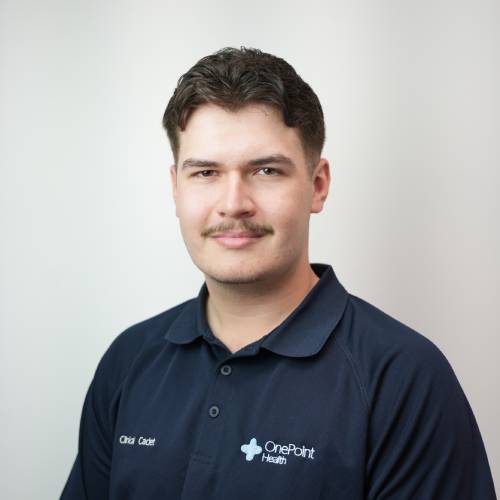
Callum Thorpe
Healthcare Support Officer
Available at Blaxland

Carin Bloom
Healthcare Support Officer
Available at Blaxland
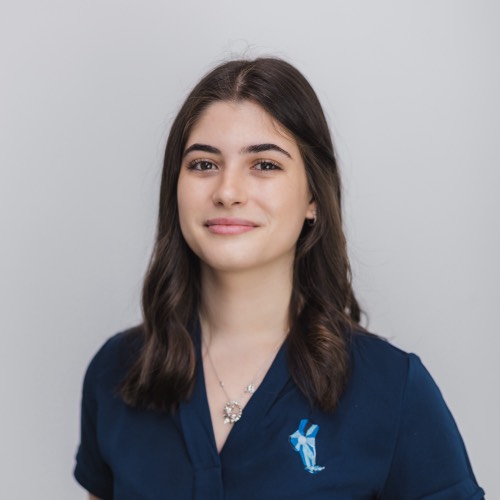
Charli Haddow
Healthcare Support Officer
Available at Blaxland

Chris Farrugia
Healthcare Support Officer
Available at Blaxland
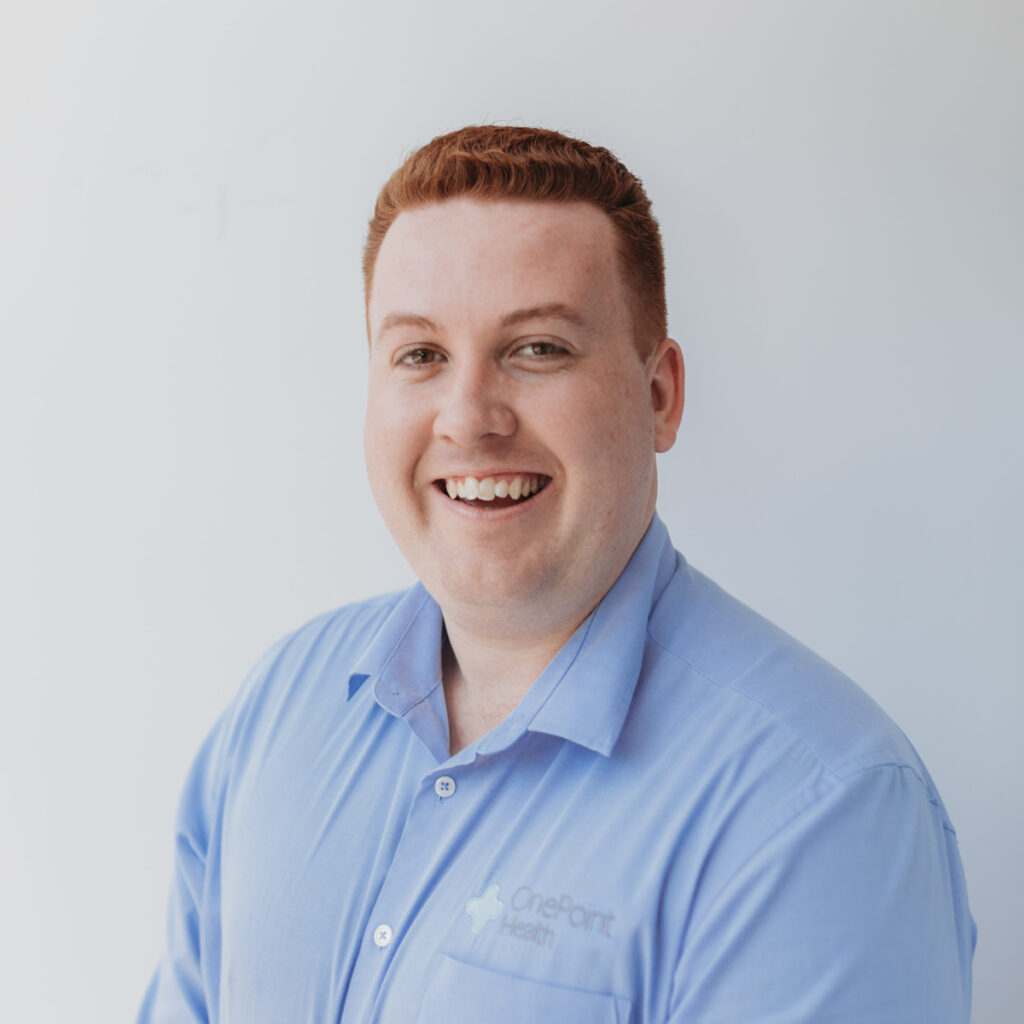
Chris Moulds
Healthcare Support Officer
Available at Blaxland
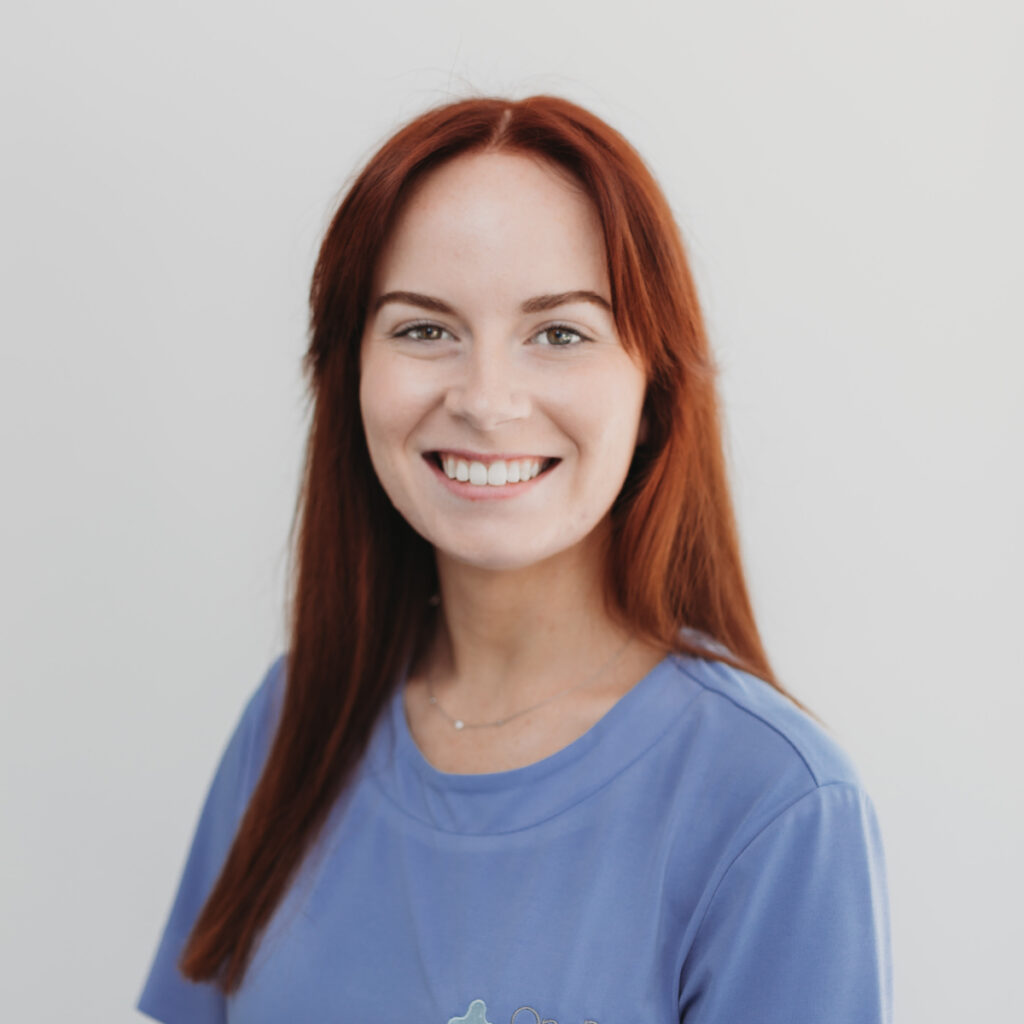
Ciara O’Kane
Healthcare Support Officer
Available at Blaxland
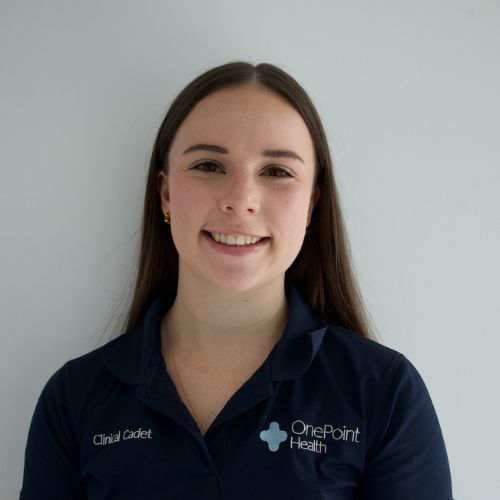
Claudia Thomas
Healthcare Support Officer
Available at Blaxland
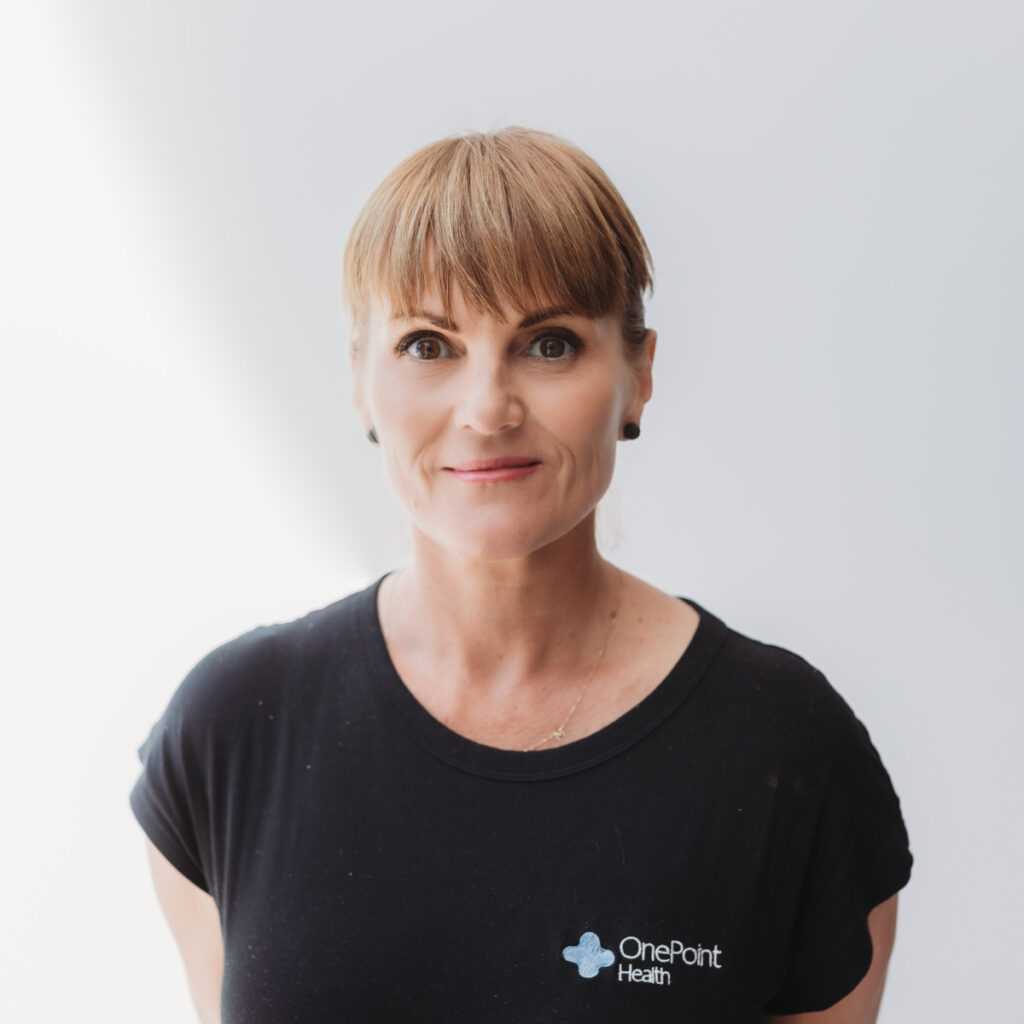
Corrina Aitken
Healthcare Support Officer
Available at Blaxland

David Logue
Healthcare Support Officer
Available at Blaxland

Dean Gresser
Healthcare Support Officer
Available at Blaxland
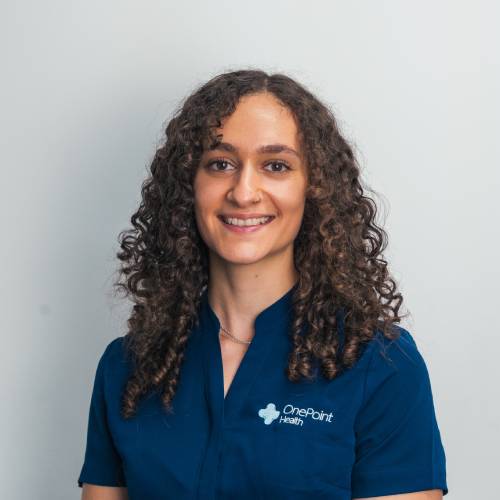
Emma Nassif
Healthcare Support Officer
Available at Blaxland
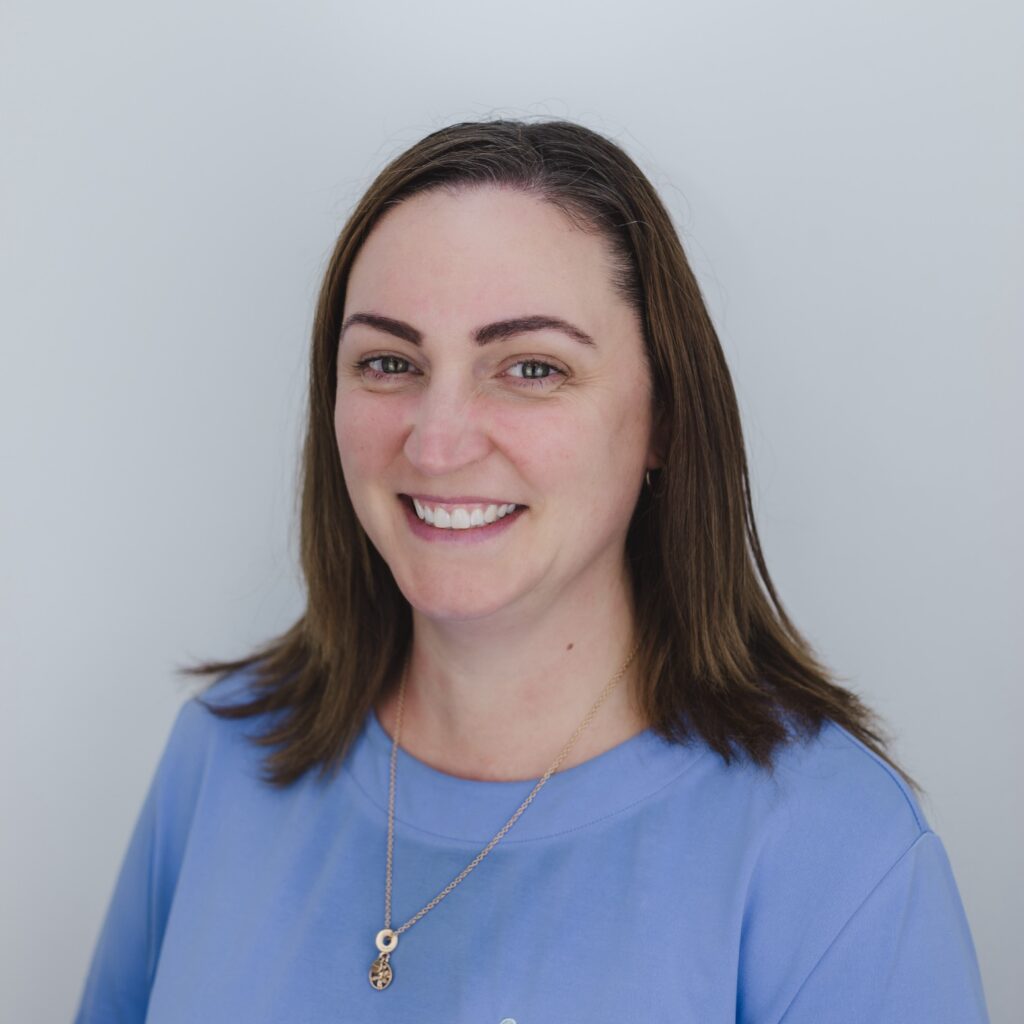
Emma Scanlon
Healthcare Support Officer
Available at Blaxland
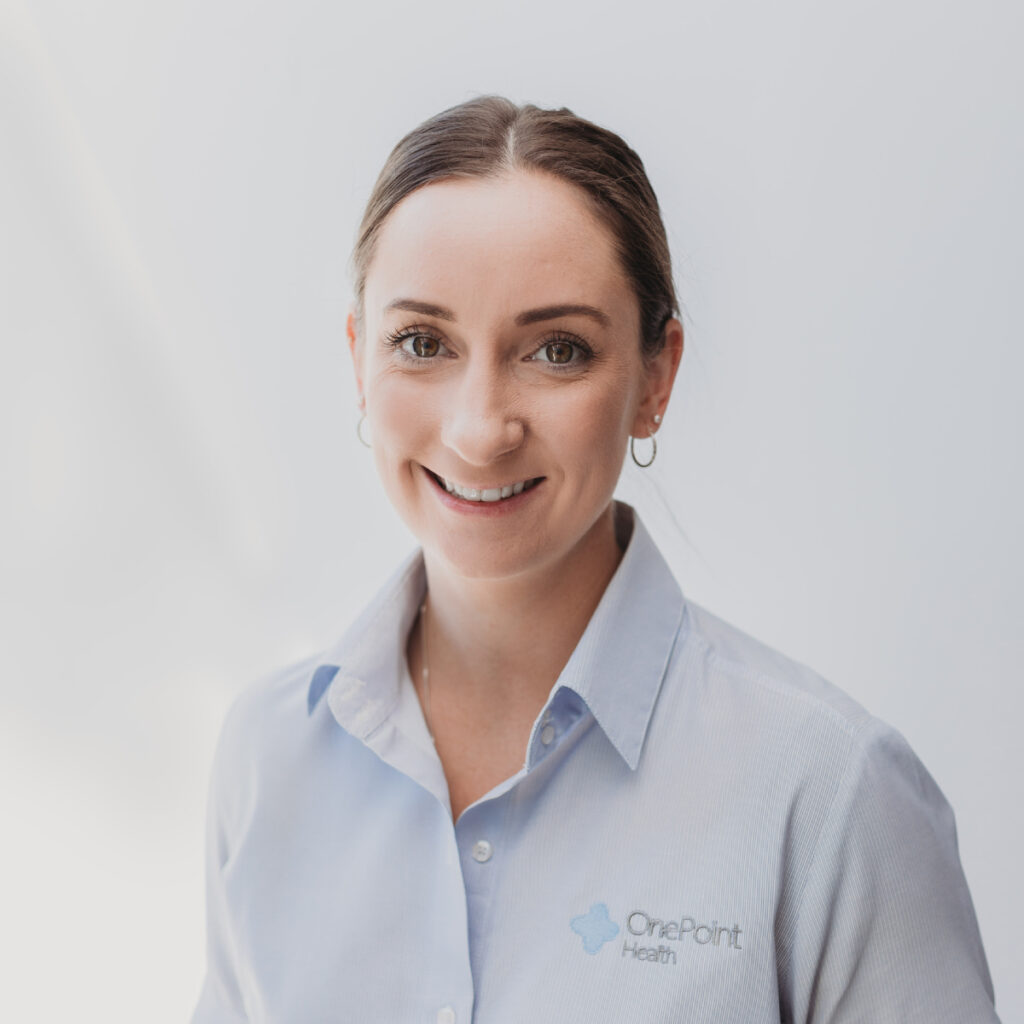
Erin Burns
Healthcare Support Officer
Available at Blaxland
Esha Sharma
Healthcare Support Officer
Available at Blaxland
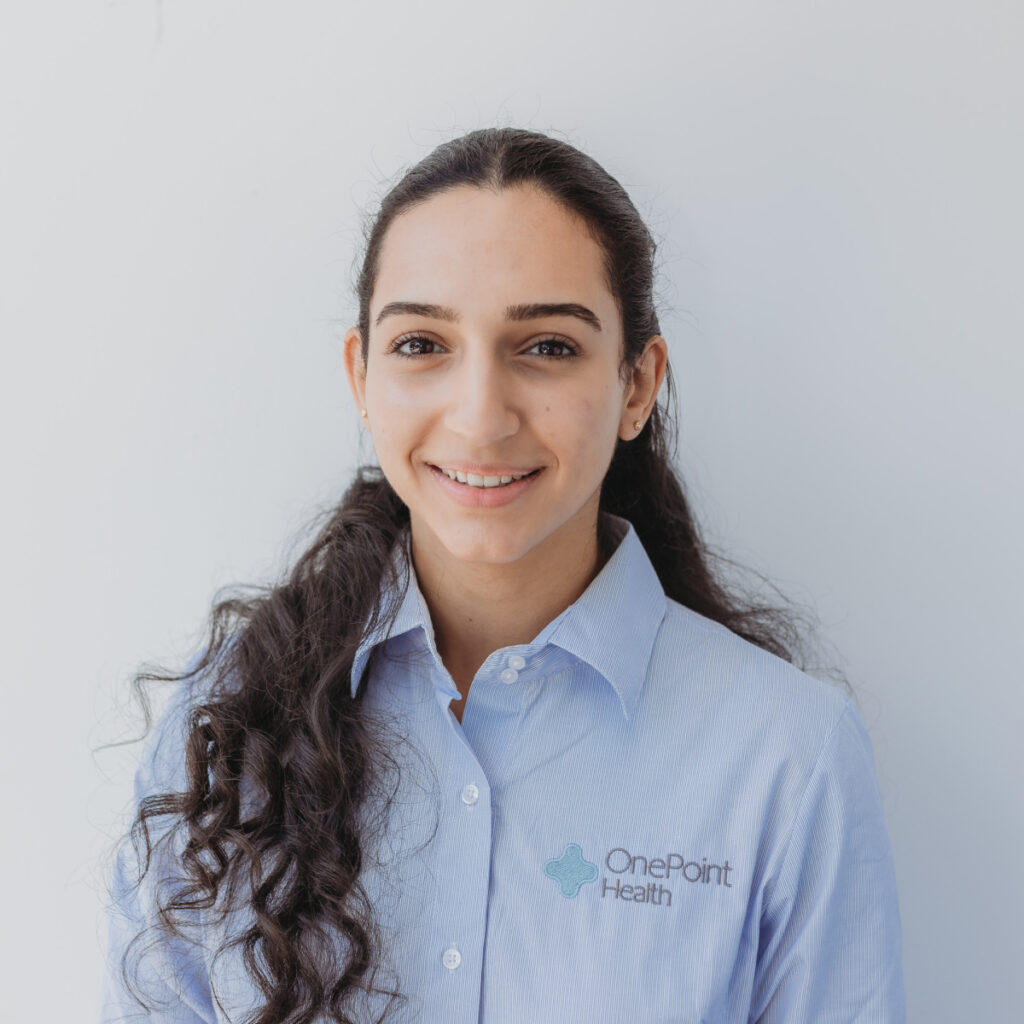
Ester Iskandar
Healthcare Support Officer
Available at Blaxland
Evangelina Papalia
Healthcare Support Officer
Available at Blaxland
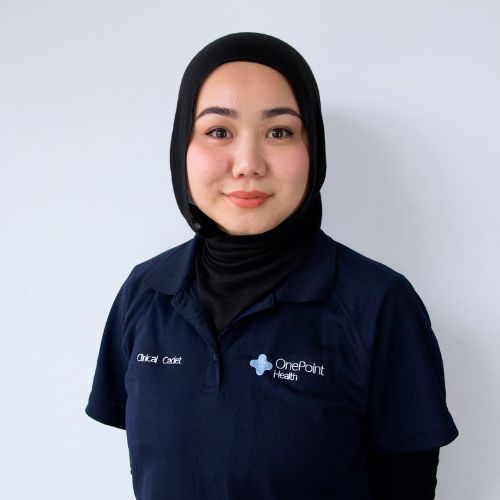
Fatima Hussaini
Healthcare Support Officer
Available at Blaxland
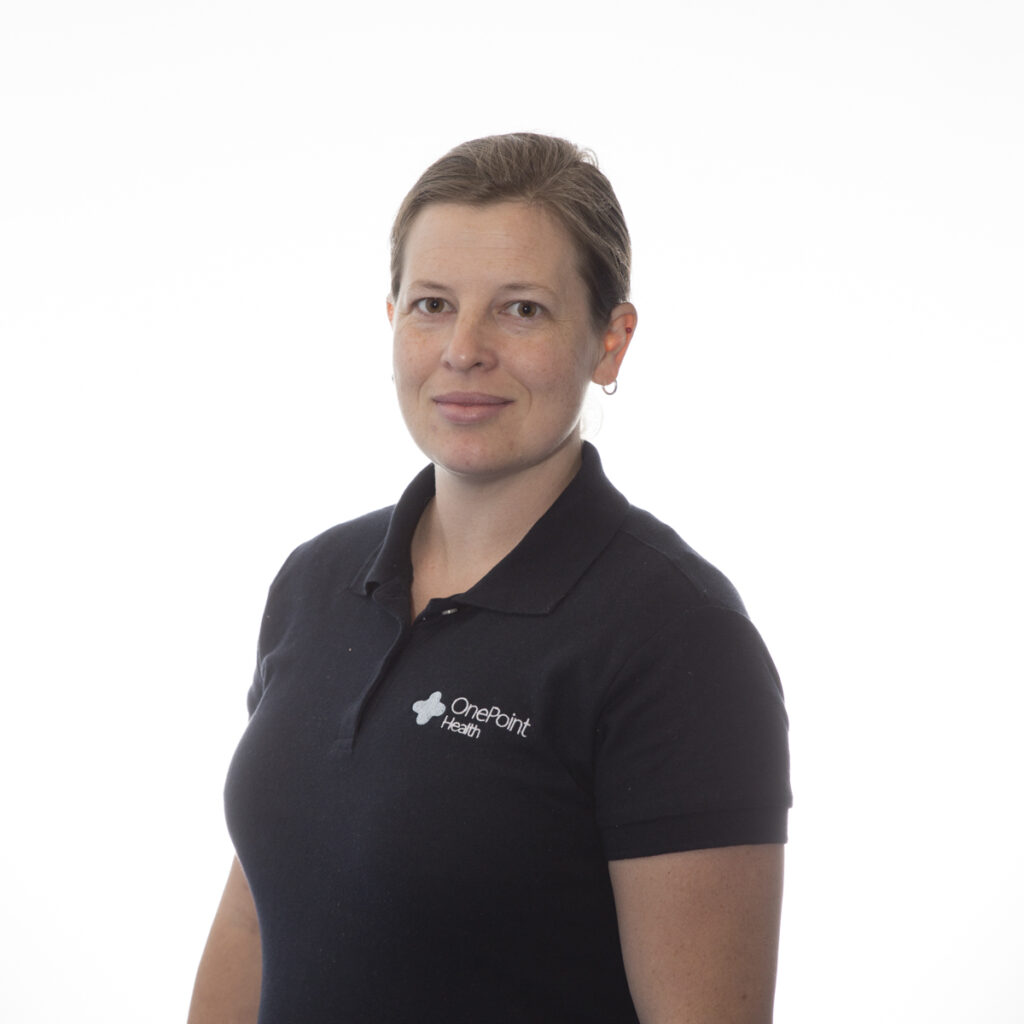
Felicity Spencer-Davey
Healthcare Support Officer
Available at Blaxland
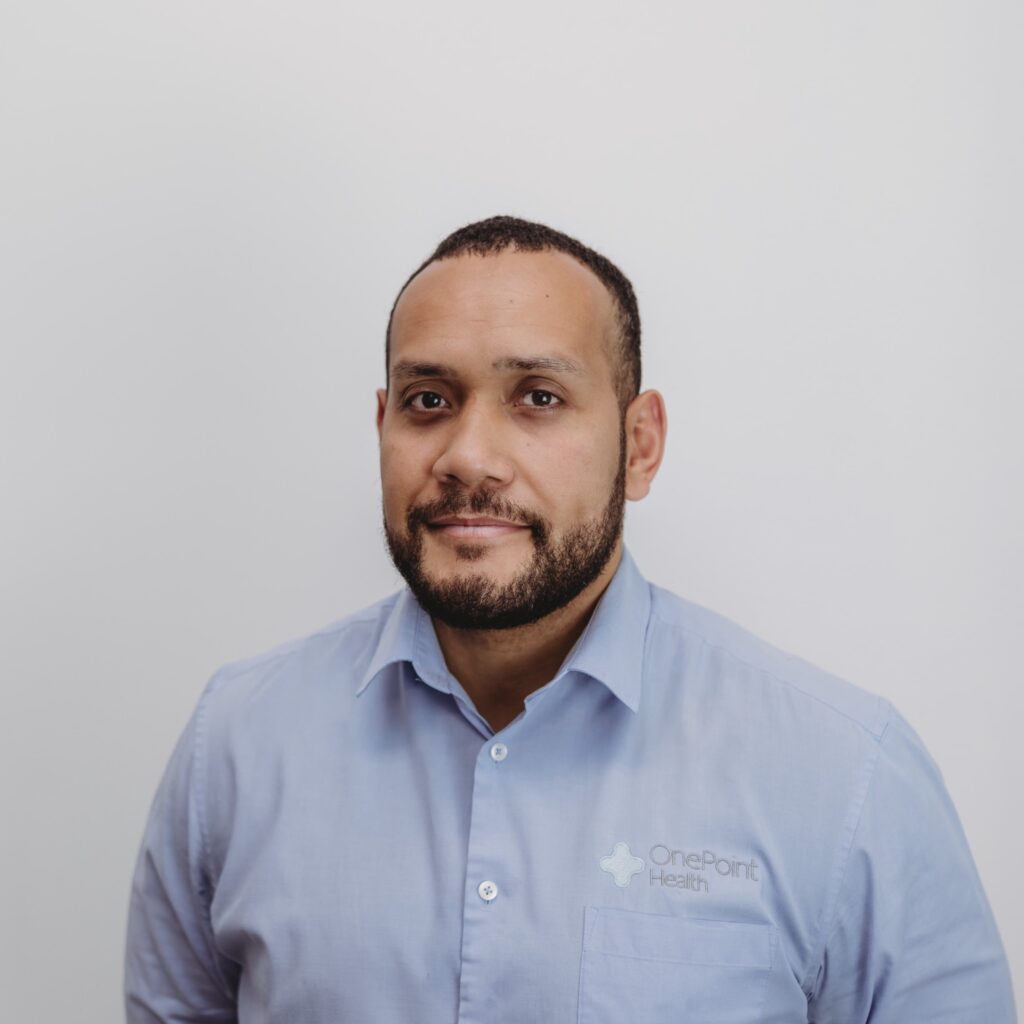
Frankie Raikadroka
Healthcare Support Officer
Available at Blaxland
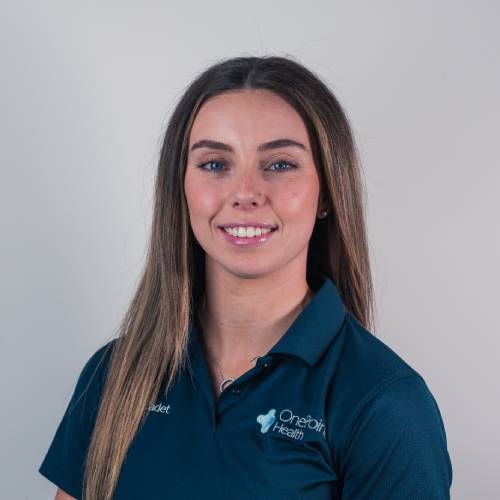
Hannah Norrie
Healthcare Support Officer
Available at Blaxland
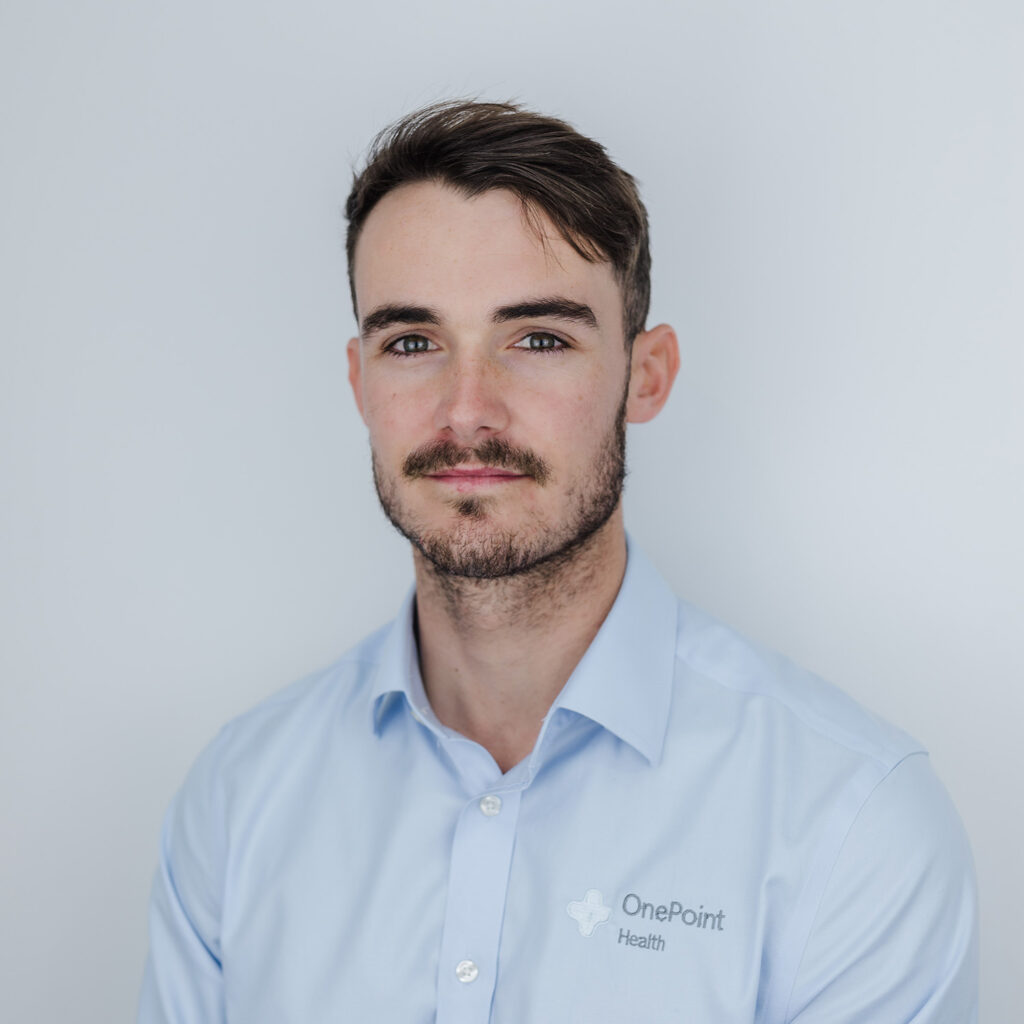
Harrison Gregson
Healthcare Support Officer
Available at Blaxland
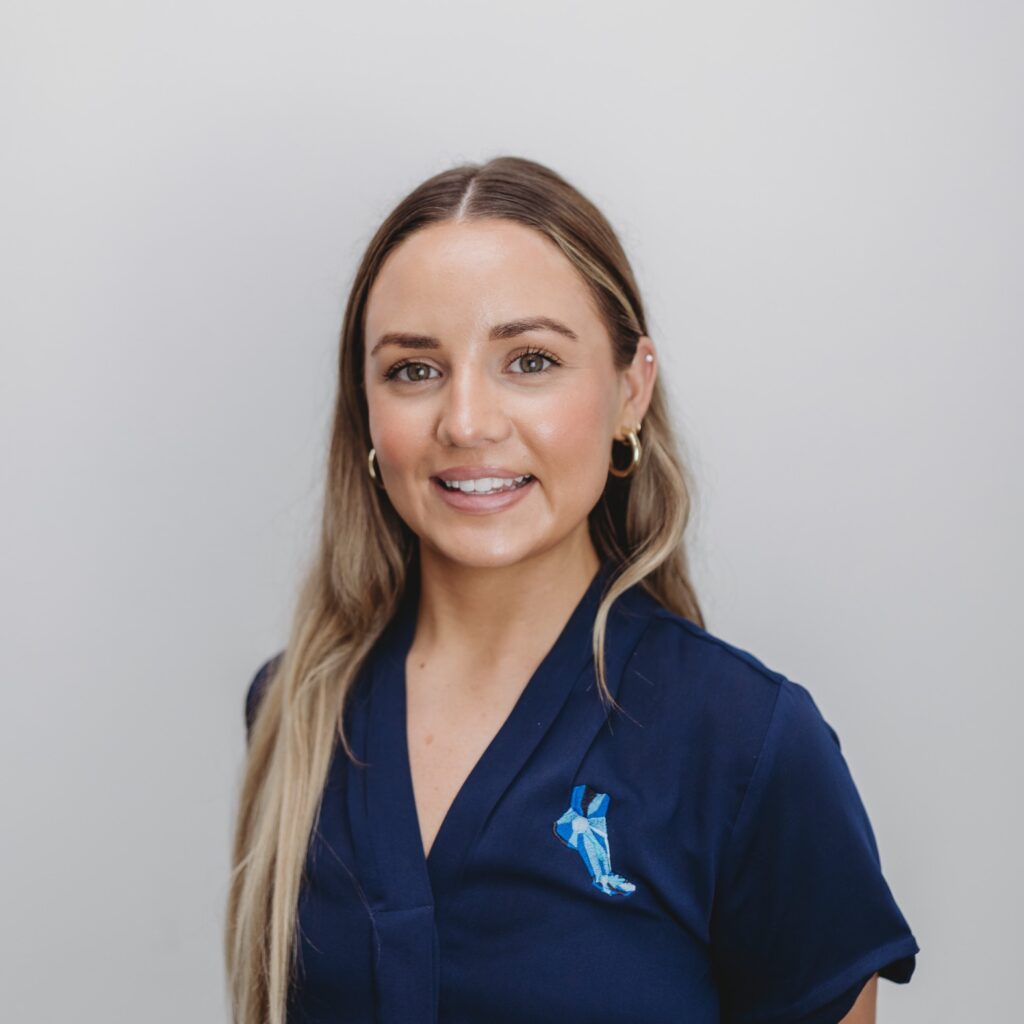
Heather Edwards
Healthcare Support Officer
Available at Blaxland
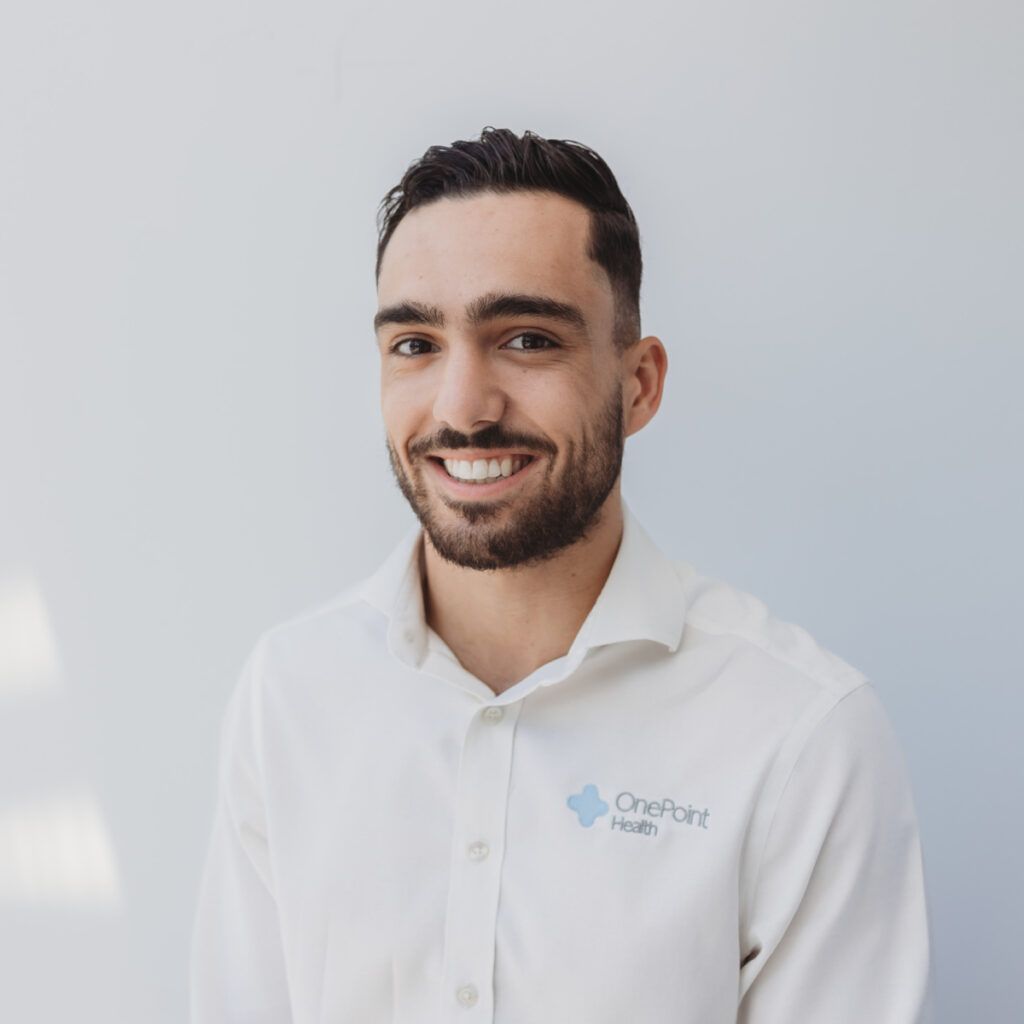
Isaac Vella
Healthcare Support Officer
Available at Blaxland
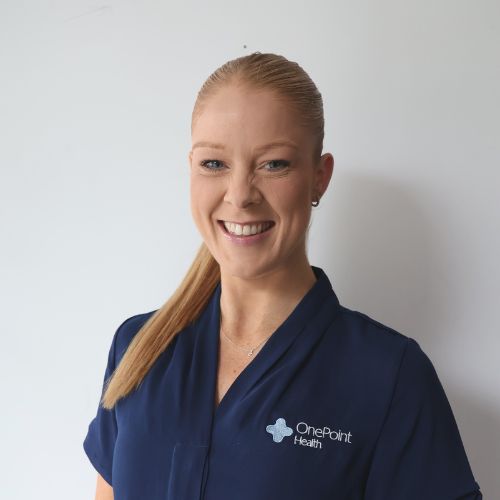
Jarrah Nesbitt
Healthcare Support Officer
Available at Blaxland
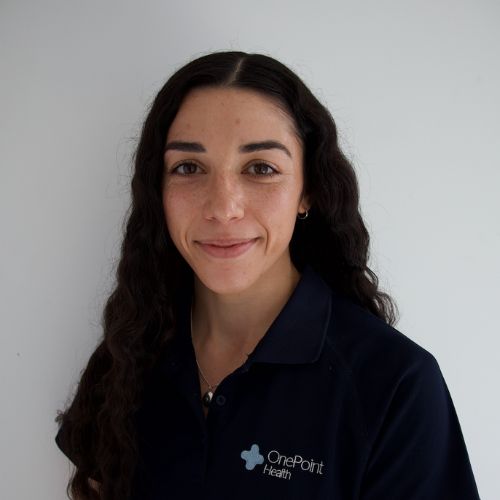
Jasmine Apap
Healthcare Support Officer
Available at Blaxland
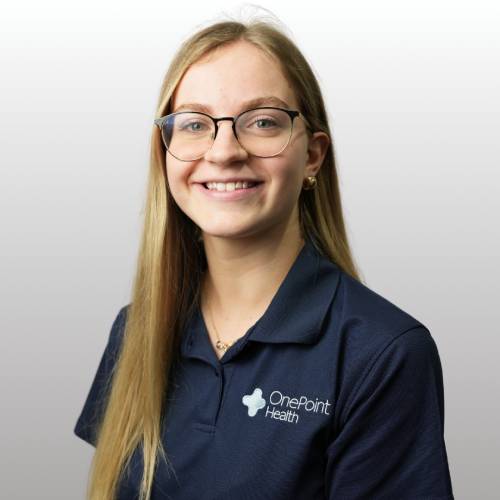
Jessica Orchard
Healthcare Support Officer
Available at Blaxland
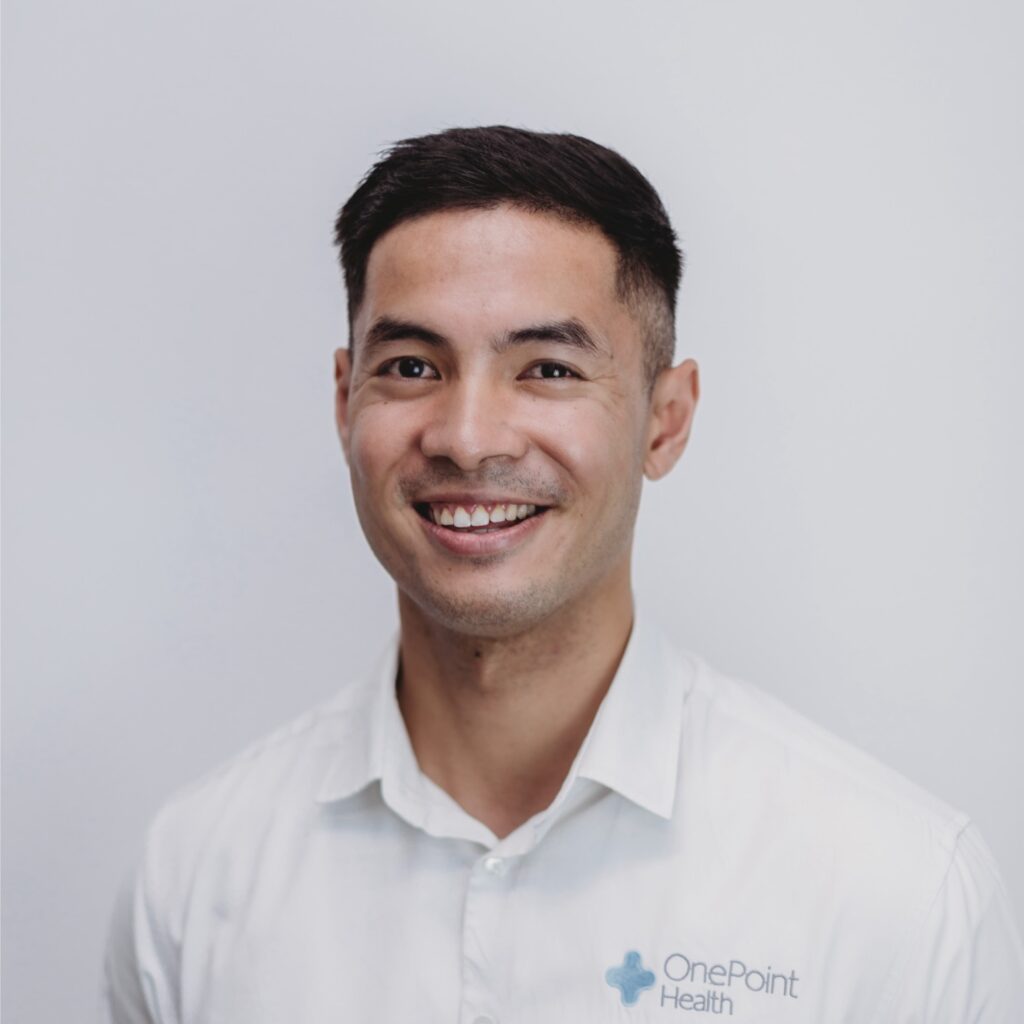
Jonathan Lopez
Healthcare Support Officer
Available at Blaxland
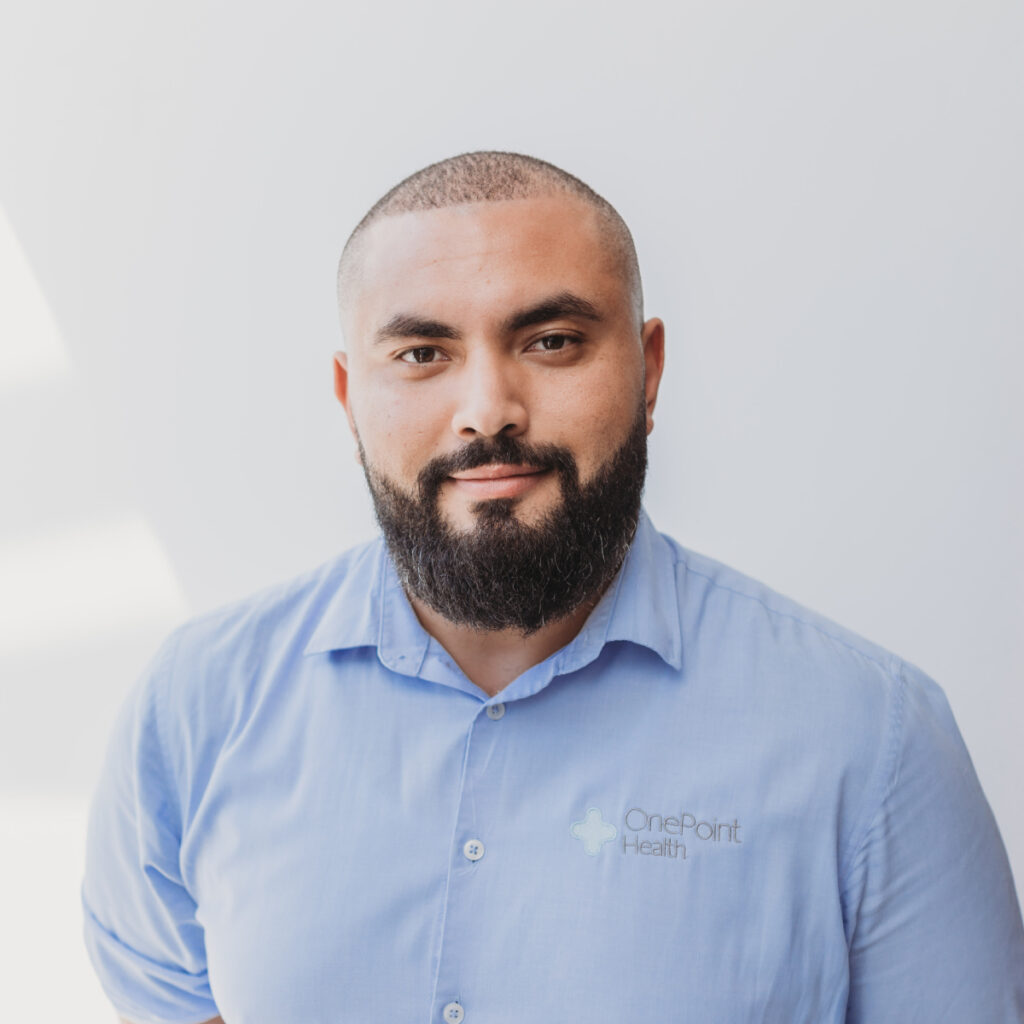
Justin Hanna
Healthcare Support Officer
Available at Blaxland
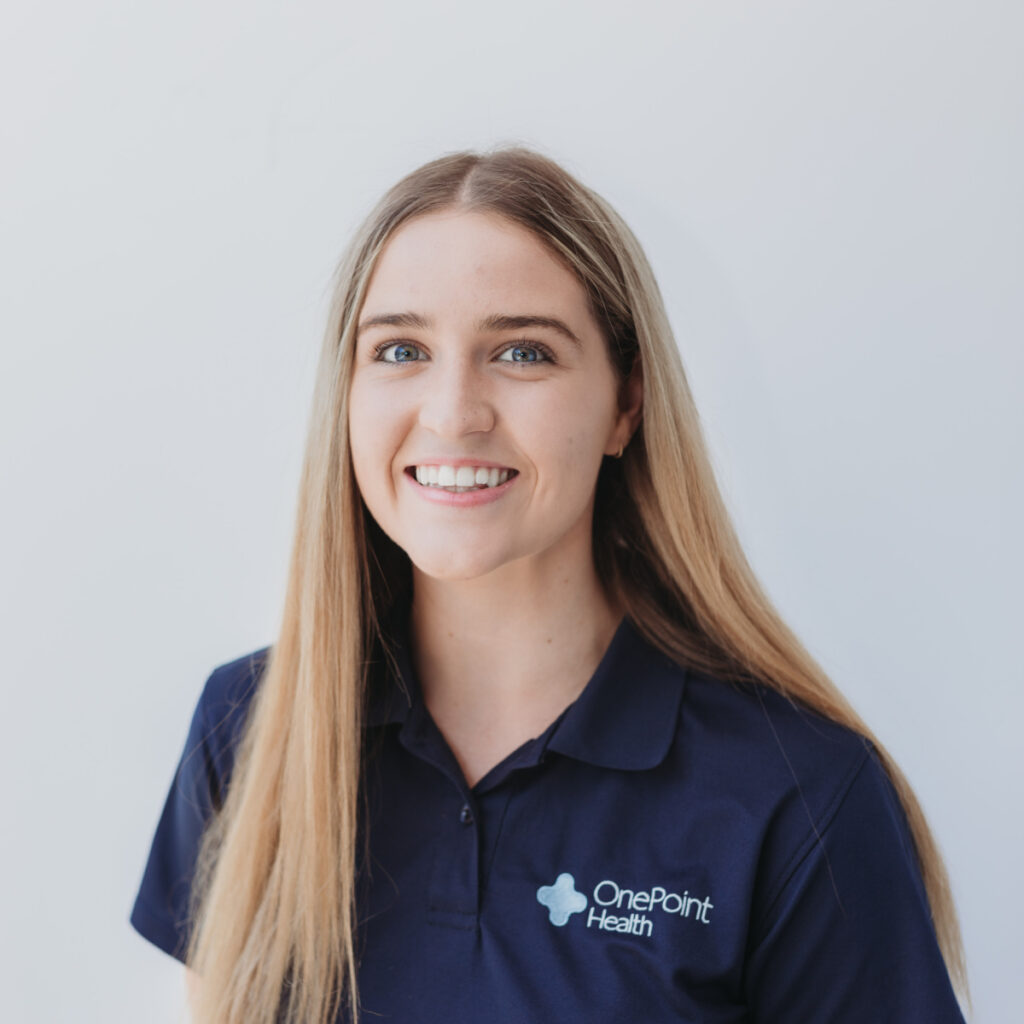
Kasey Collins
Healthcare Support Officer
Available at Blaxland
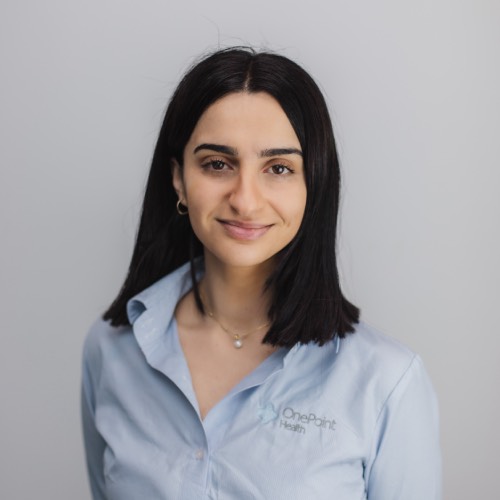
Katrina Gauci
Healthcare Support Officer
Available at Blaxland
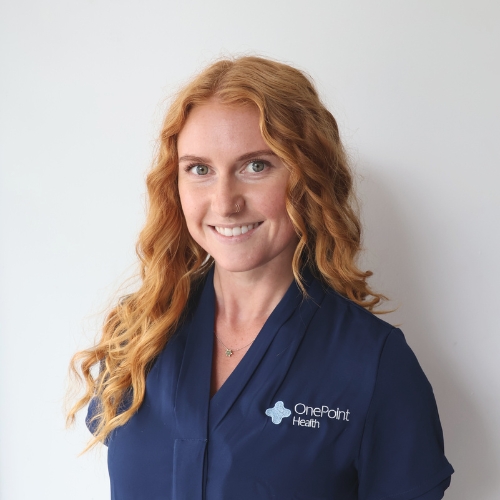
Kennedy Touet
Healthcare Support Officer
Available at Blaxland
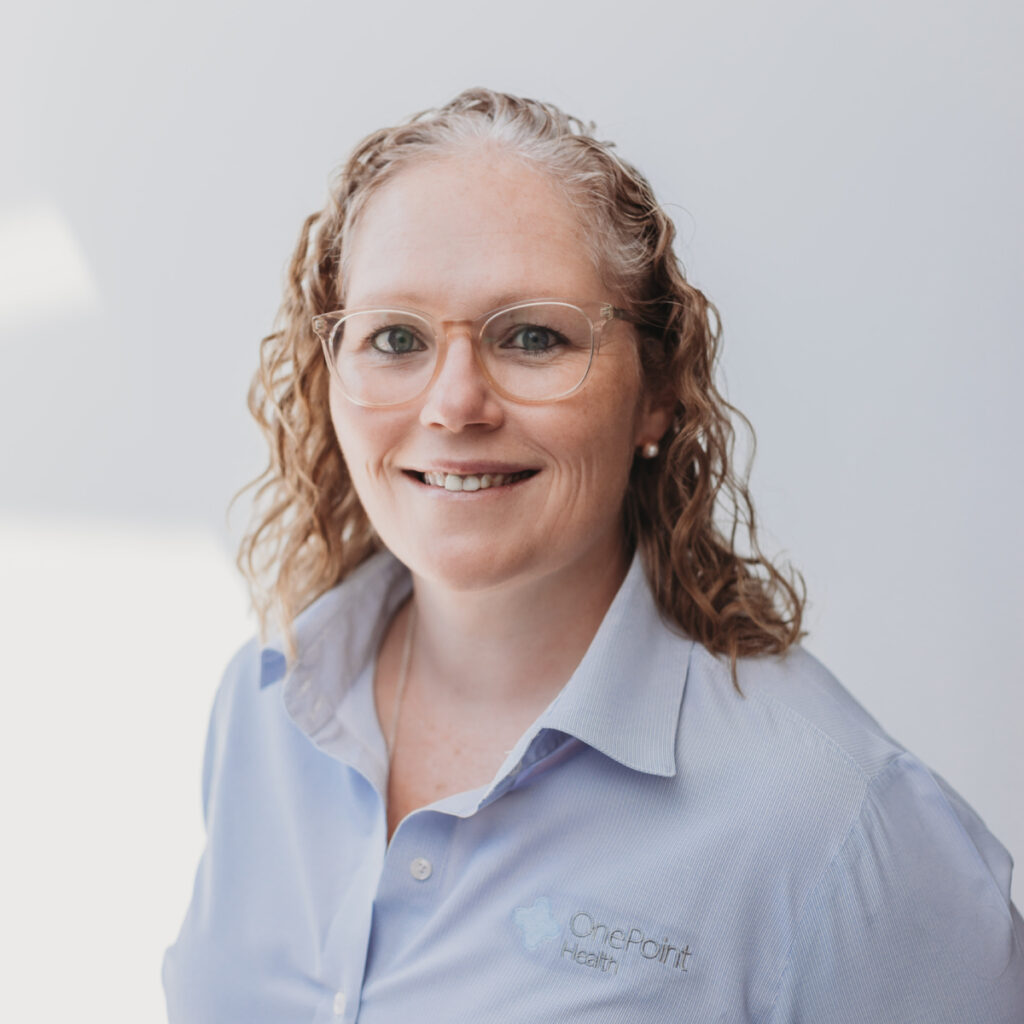
Kristy Edwards
Healthcare Support Officer
Available at Blaxland
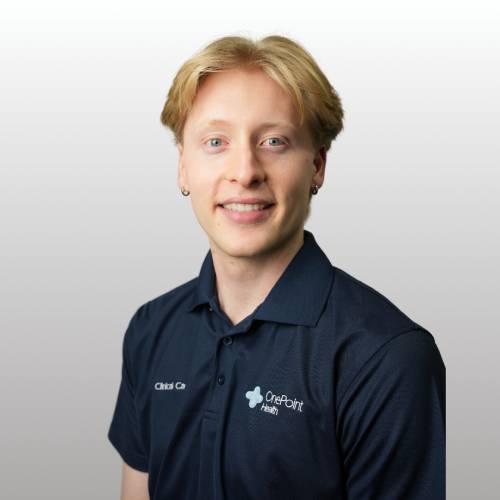
Kurt White
Healthcare Support Officer
Available at Blaxland
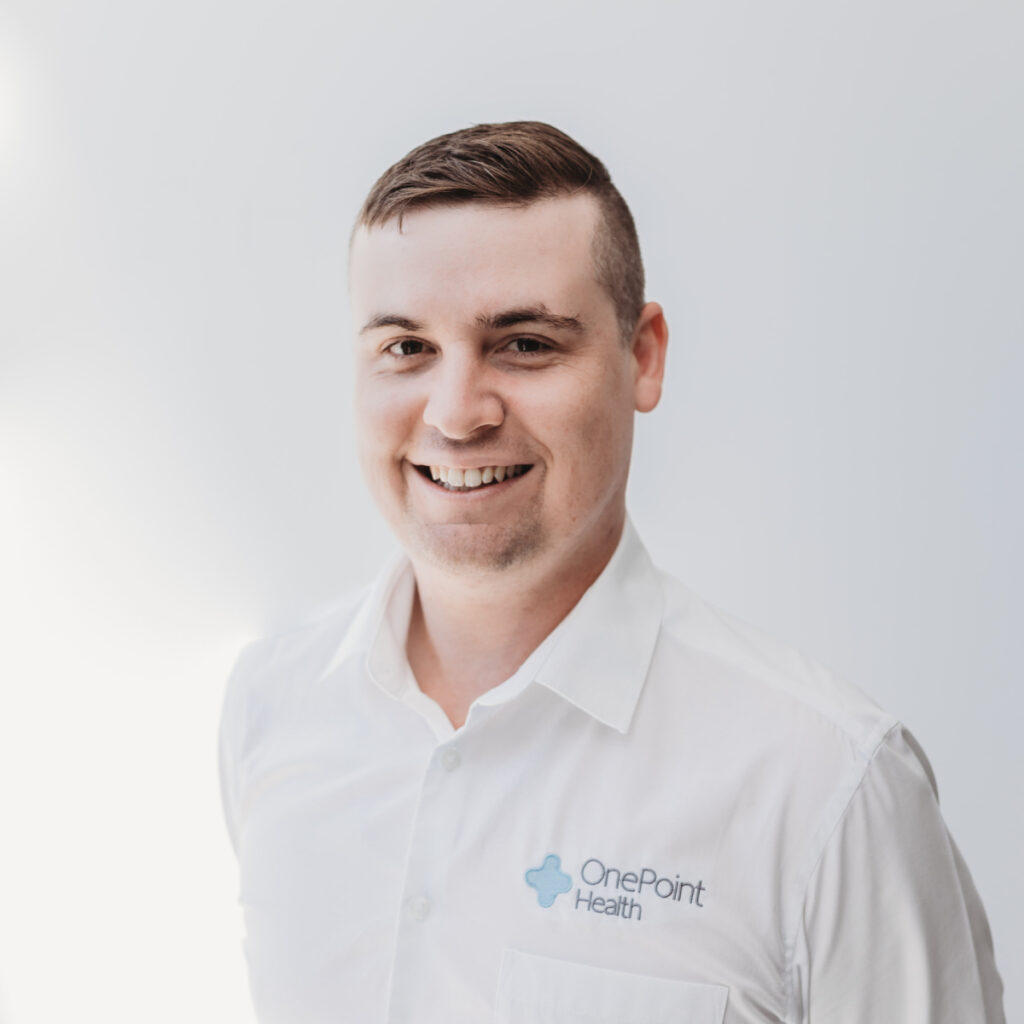
Kyle Perry
Healthcare Support Officer
Available at Blaxland
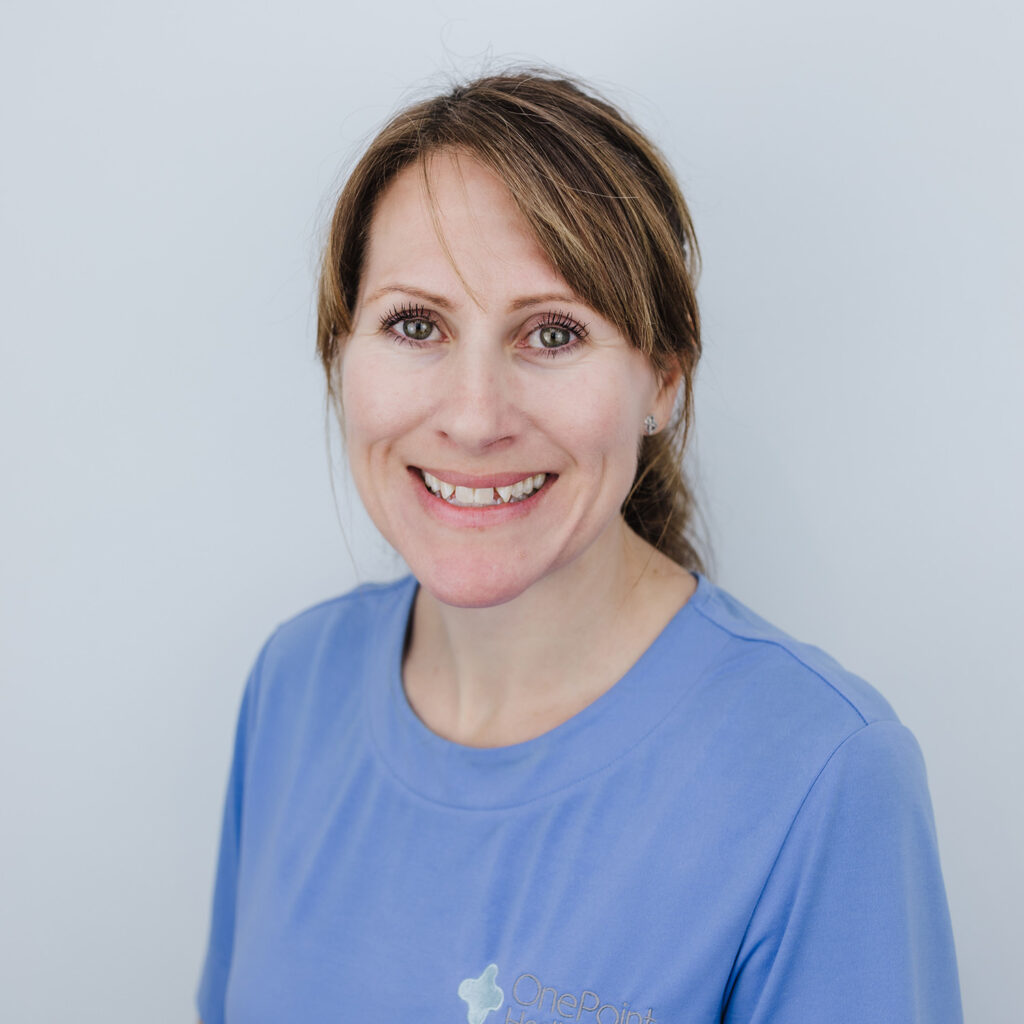
Kylie Saba
Healthcare Support Officer
Available at Blaxland
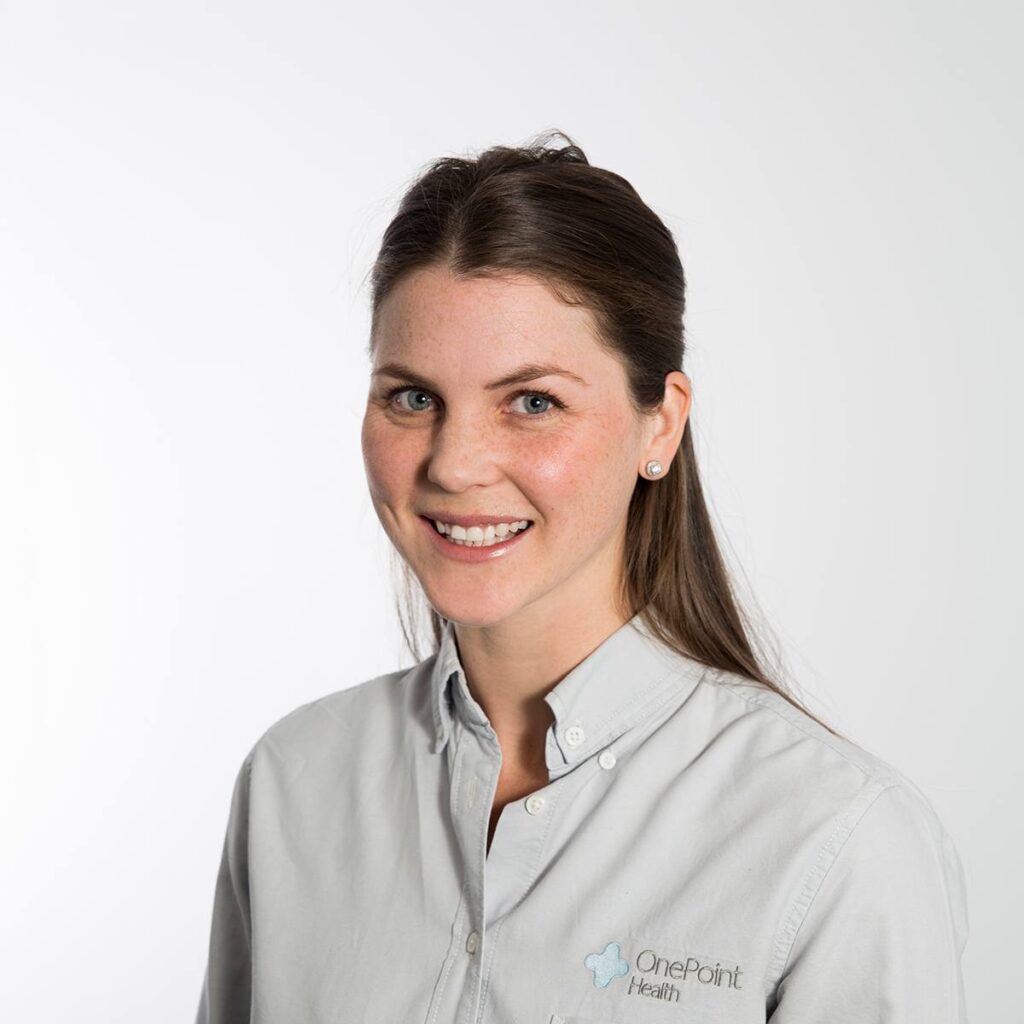
Lorna Nicastri
Healthcare Support Officer
Available at Blaxland
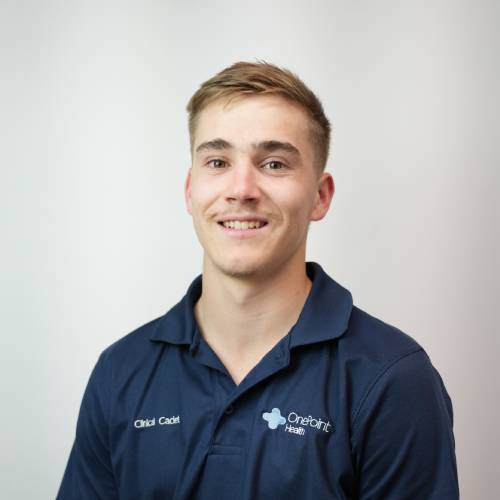
Lucas Barglik
Healthcare Support Officer
Available at Blaxland
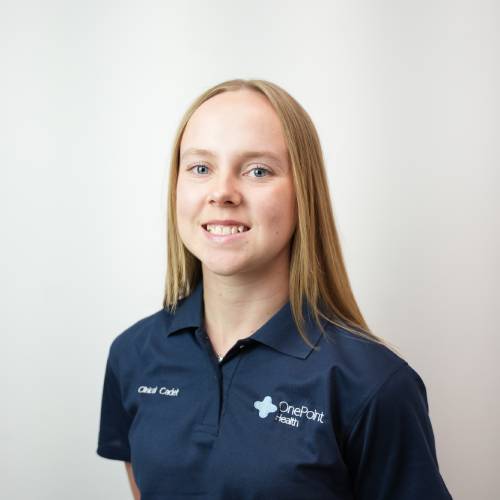
Mackenzie Gleeson
Healthcare Support Officer
Available at Blaxland
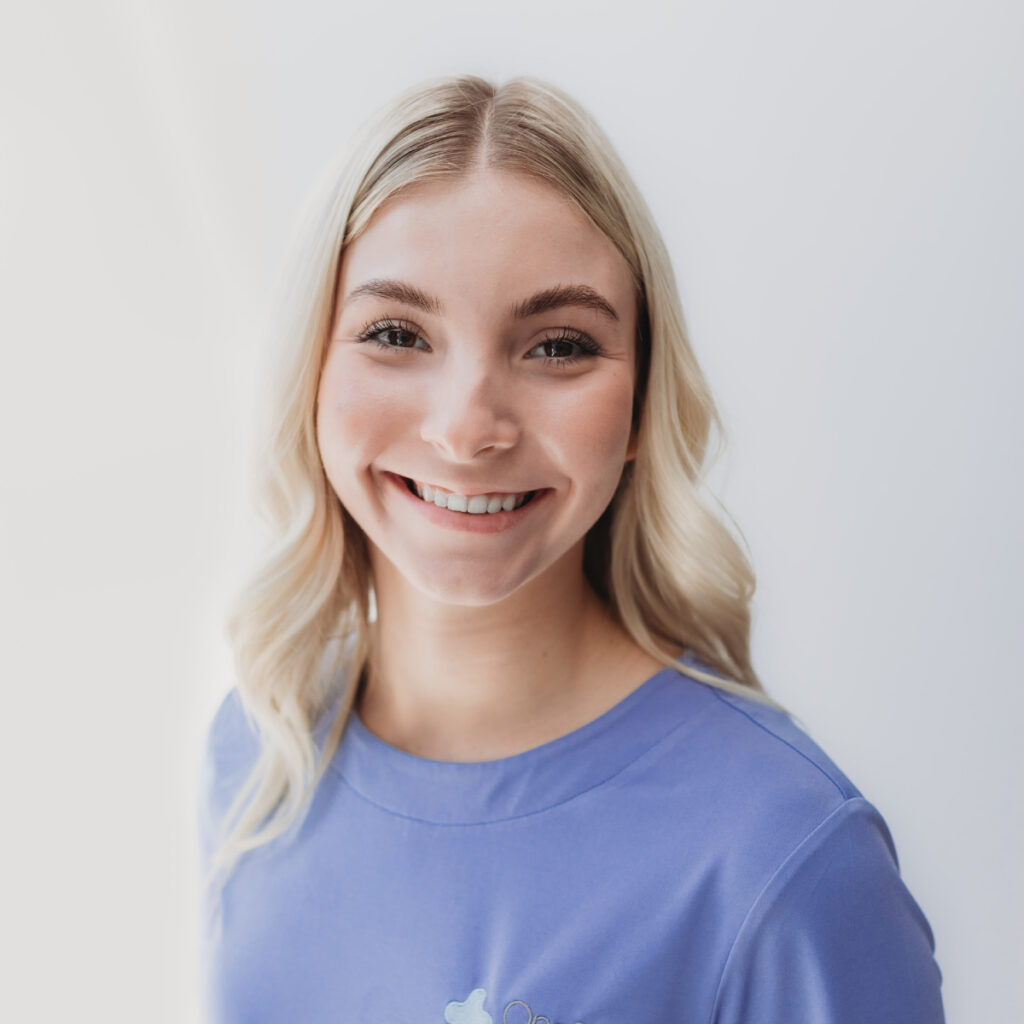
Madeleine Vella
Healthcare Support Officer
Available at Blaxland
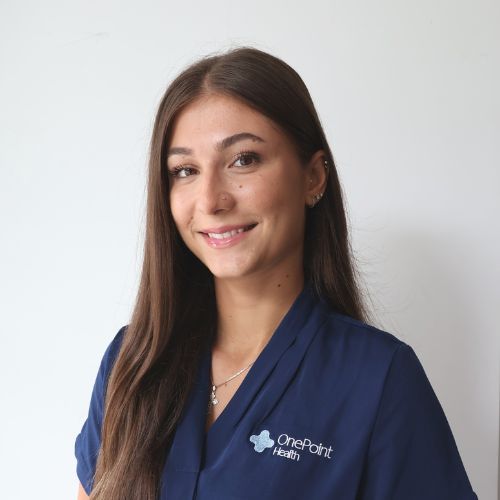
Maja Bosic
Healthcare Support Officer
Available at Blaxland

Marxy Koronel
Healthcare Support Officer
Available at Blaxland

Matt Barton
Healthcare Support Officer
Available at Blaxland
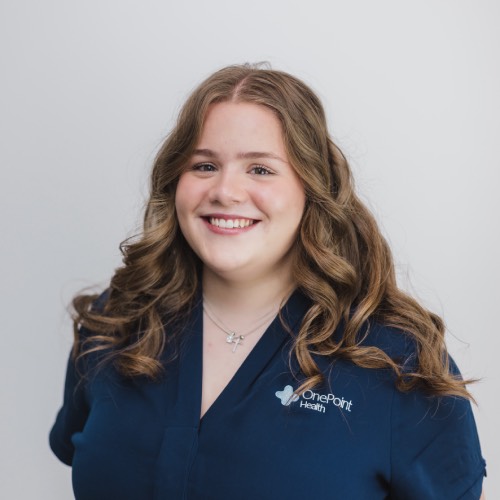
Mia Nikic
Healthcare Support Officer
Available at Blaxland
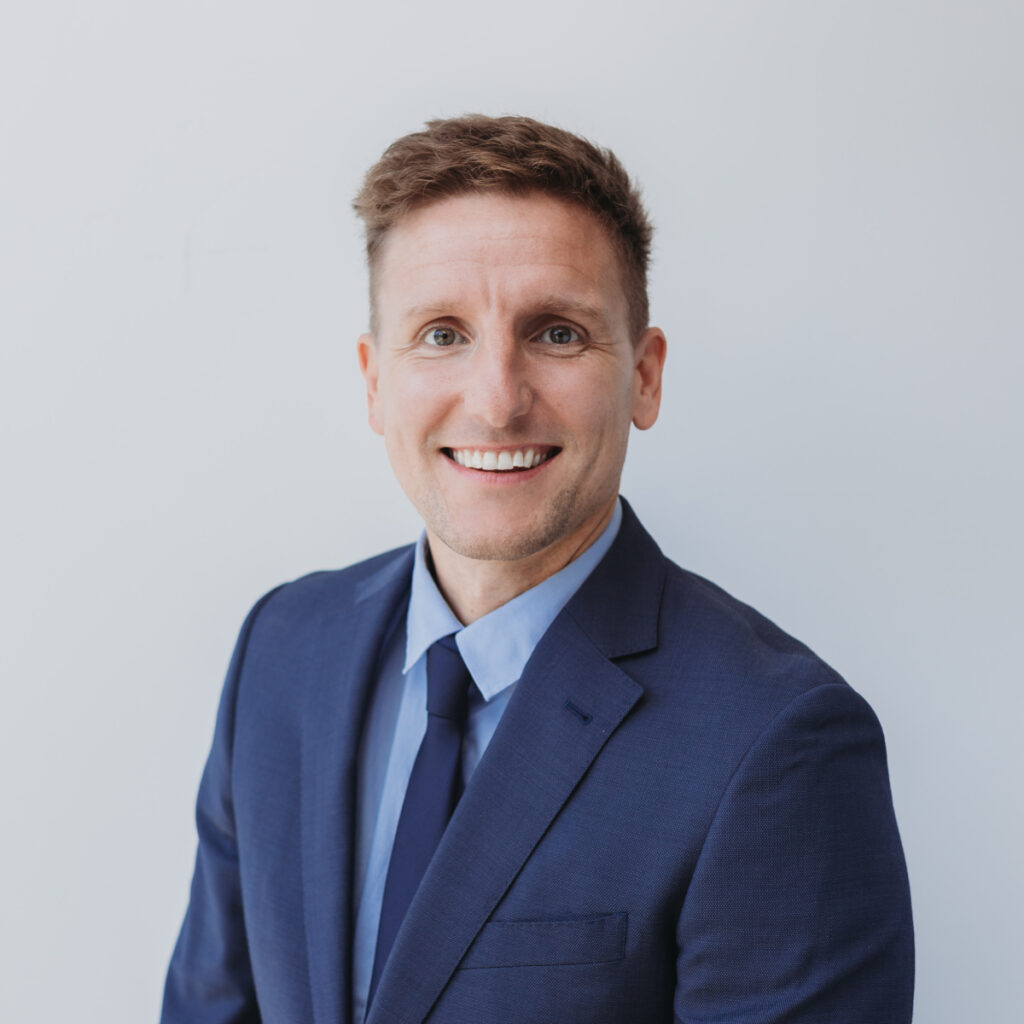
Michael Todd
Healthcare Support Officer
Available at Blaxland

Mr Jeffery Jenkins FACPS
Healthcare Support Officer
Available at Blaxland
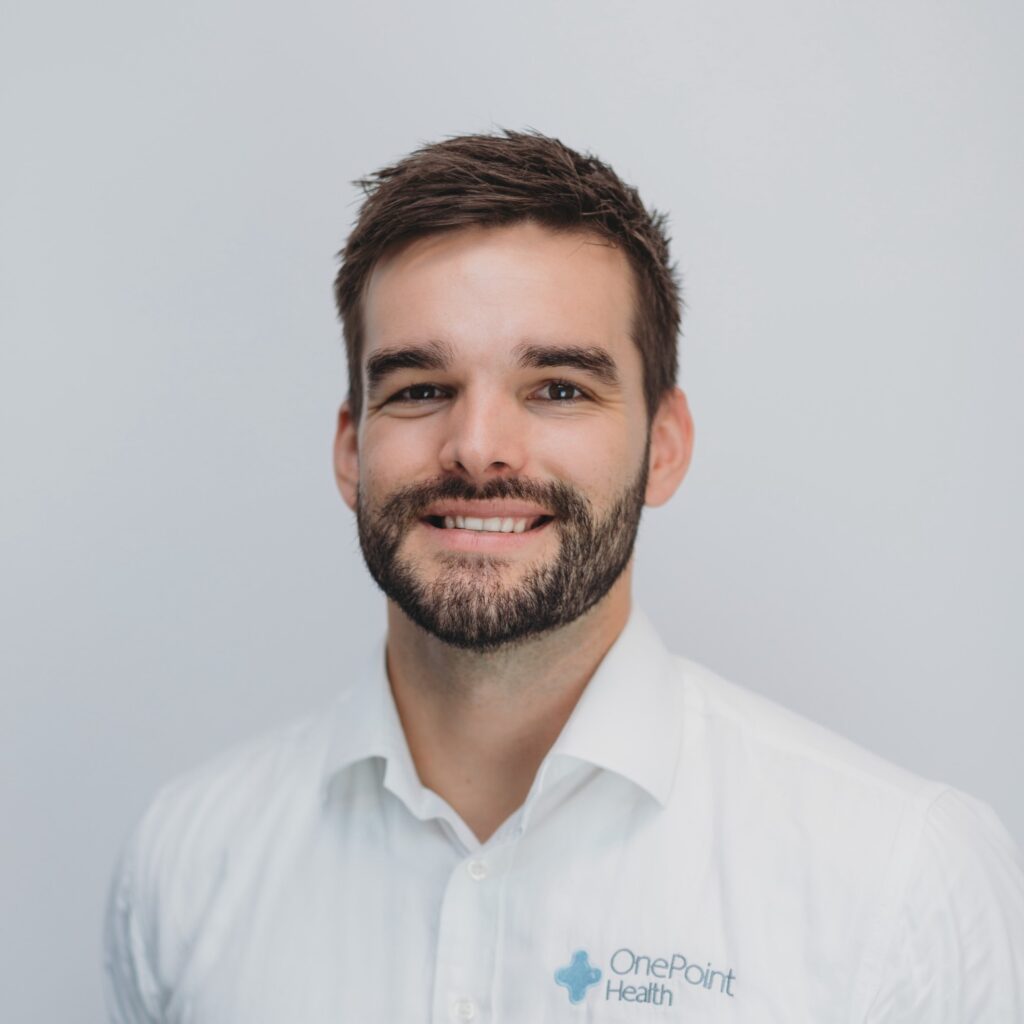
Nathan Cavanagh
Healthcare Support Officer
Available at Blaxland
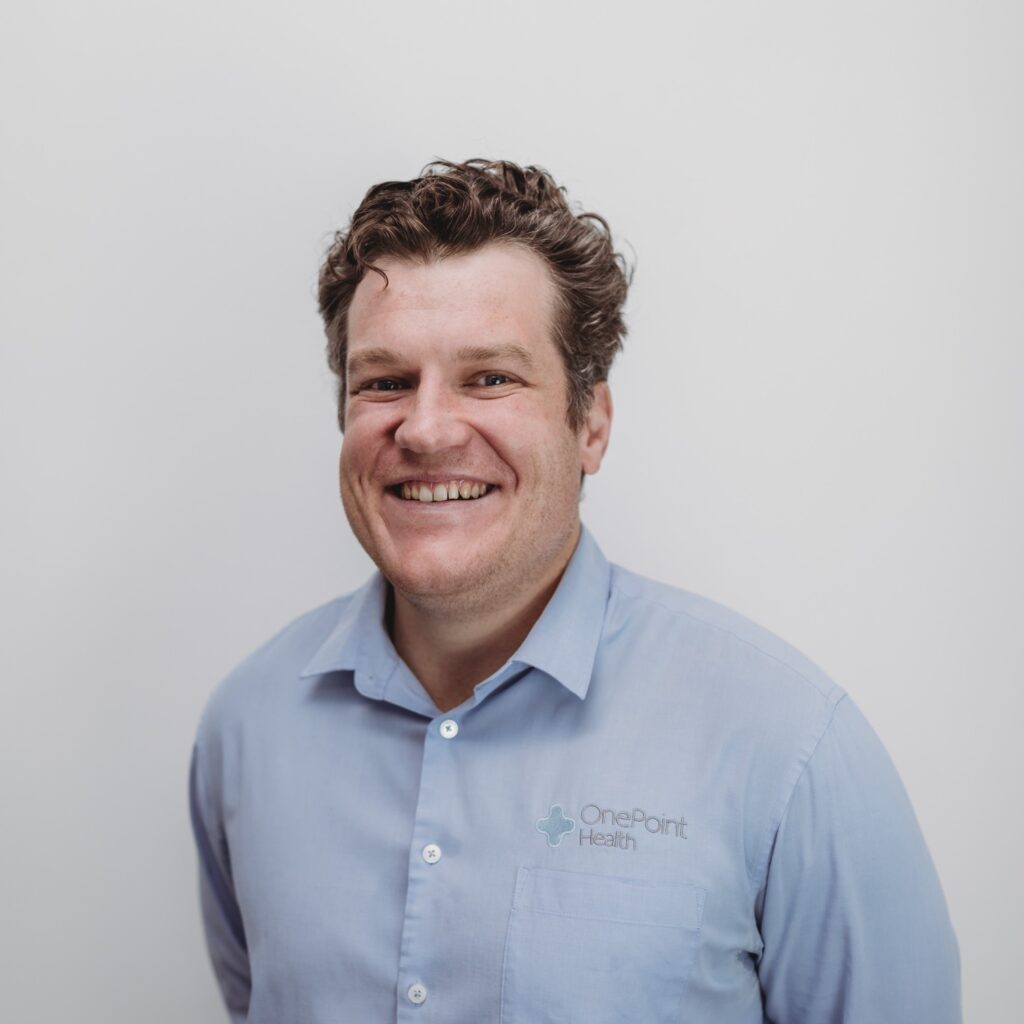
Oren Schulze
Healthcare Support Officer
Available at Blaxland
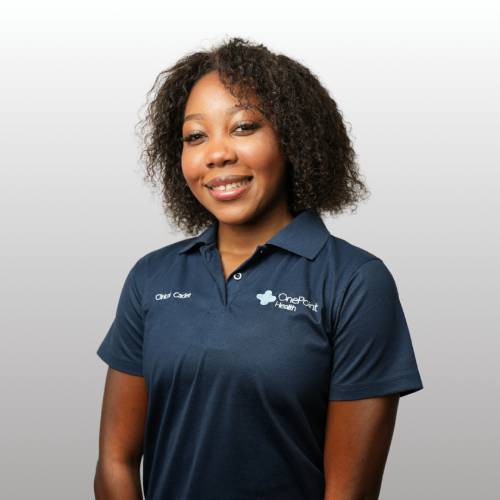
Patience Namiiro
Healthcare Support Officer
Available at Blaxland
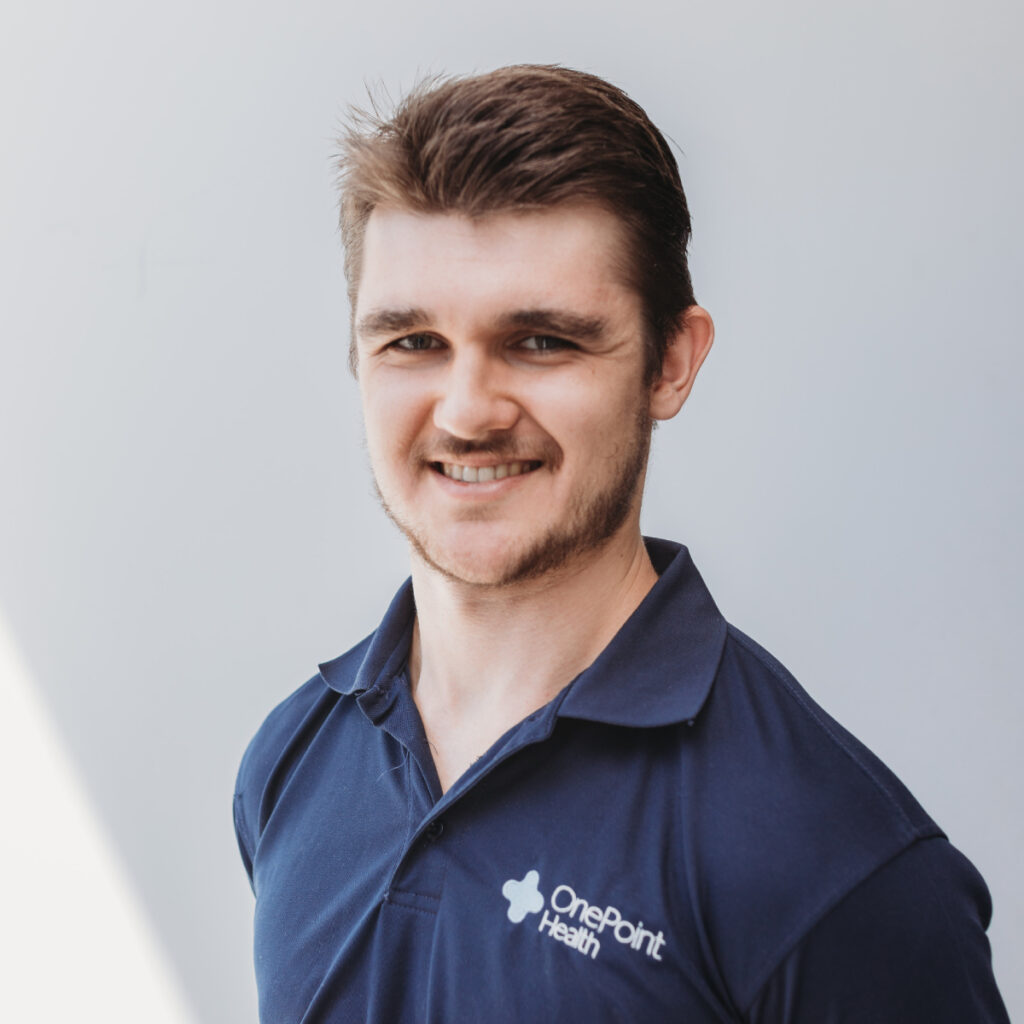
Patrick Celeban
Healthcare Support Officer
Available at Blaxland
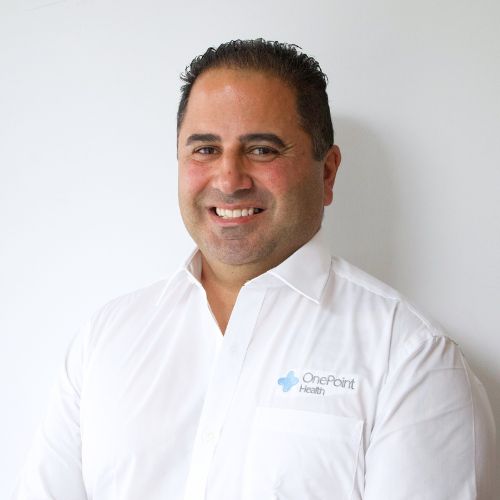
Paul Sawaqed
Healthcare Support Officer
Available at Blaxland

Phillip Hartshorne
Healthcare Support Officer
Available at Blaxland

Praise Khin
Healthcare Support Officer
Available at Blaxland
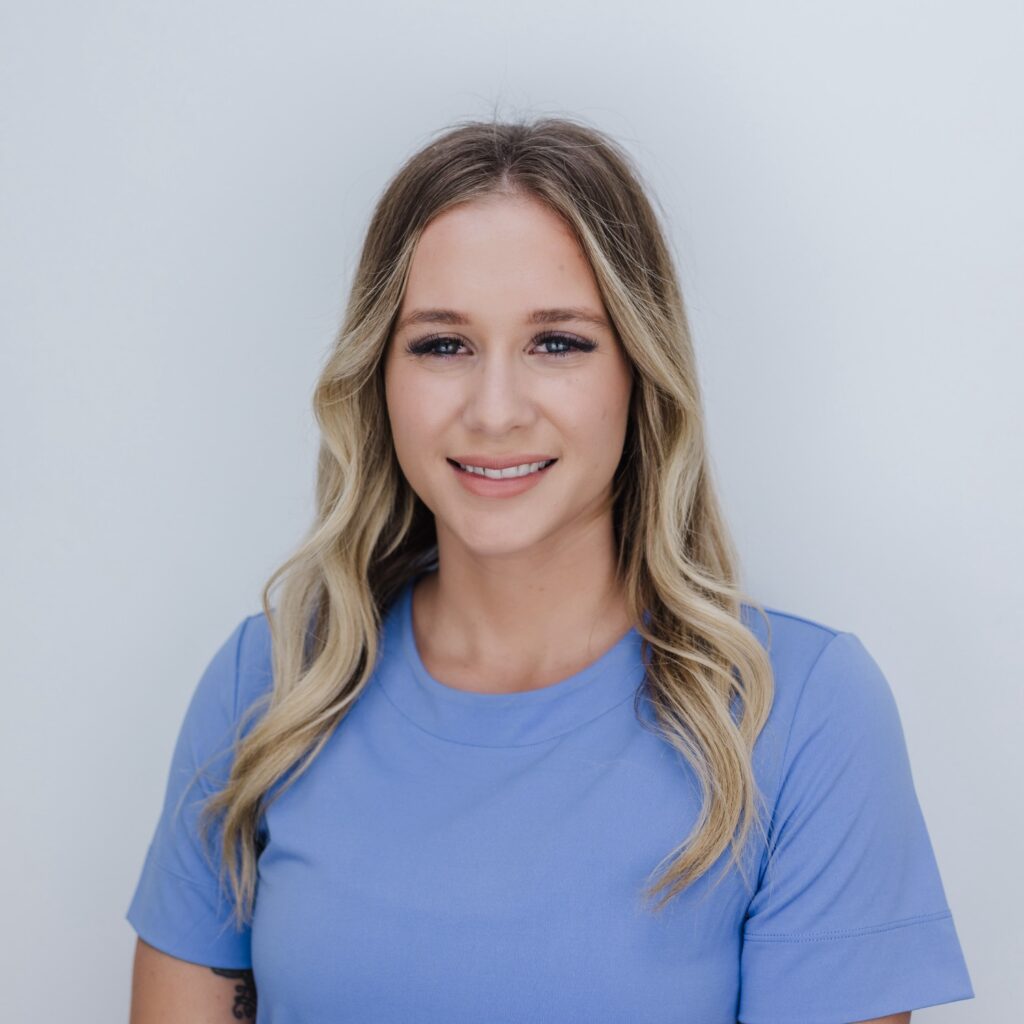
Rebecca Samuels
Healthcare Support Officer
Available at Blaxland
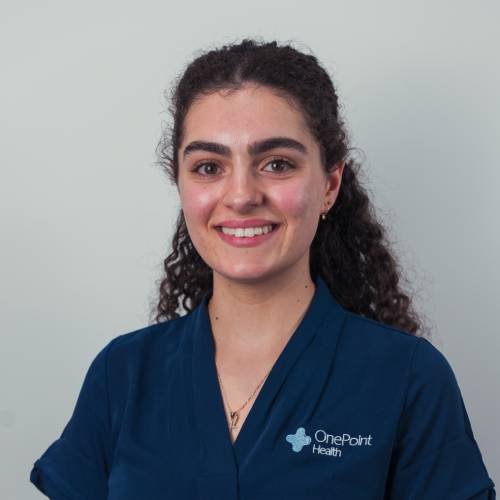
Rianna Nicotera
Healthcare Support Officer
Available at Blaxland
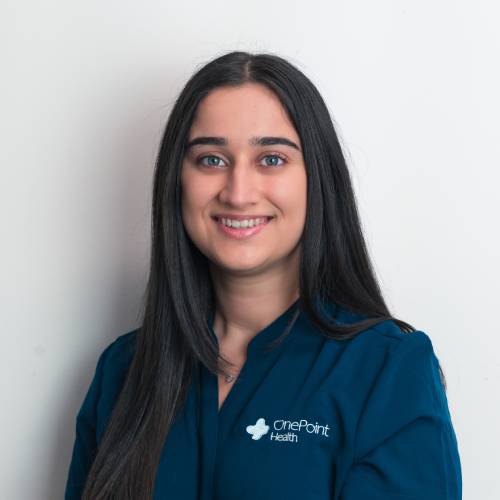
Sarah Bonnici
Healthcare Support Officer
Available at Blaxland
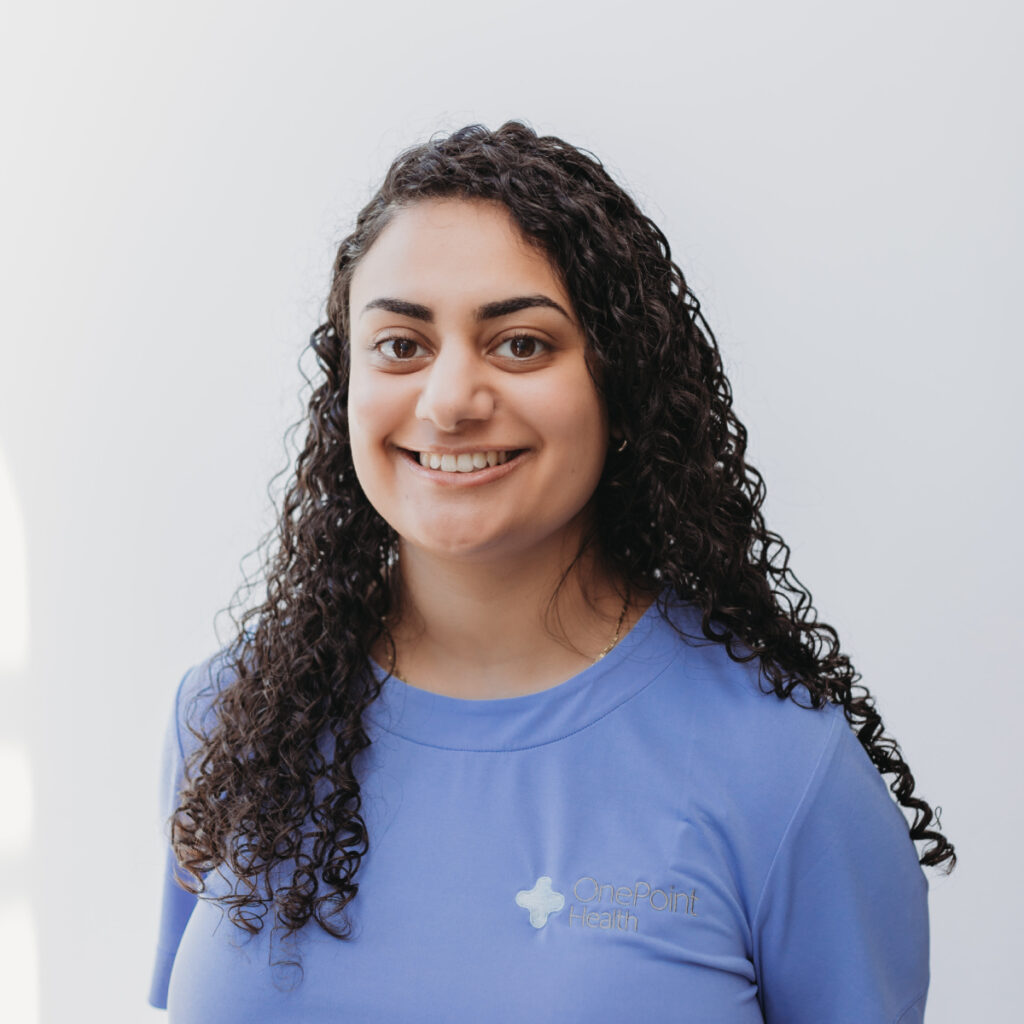
Sarah Fenter
Healthcare Support Officer
Available at Blaxland
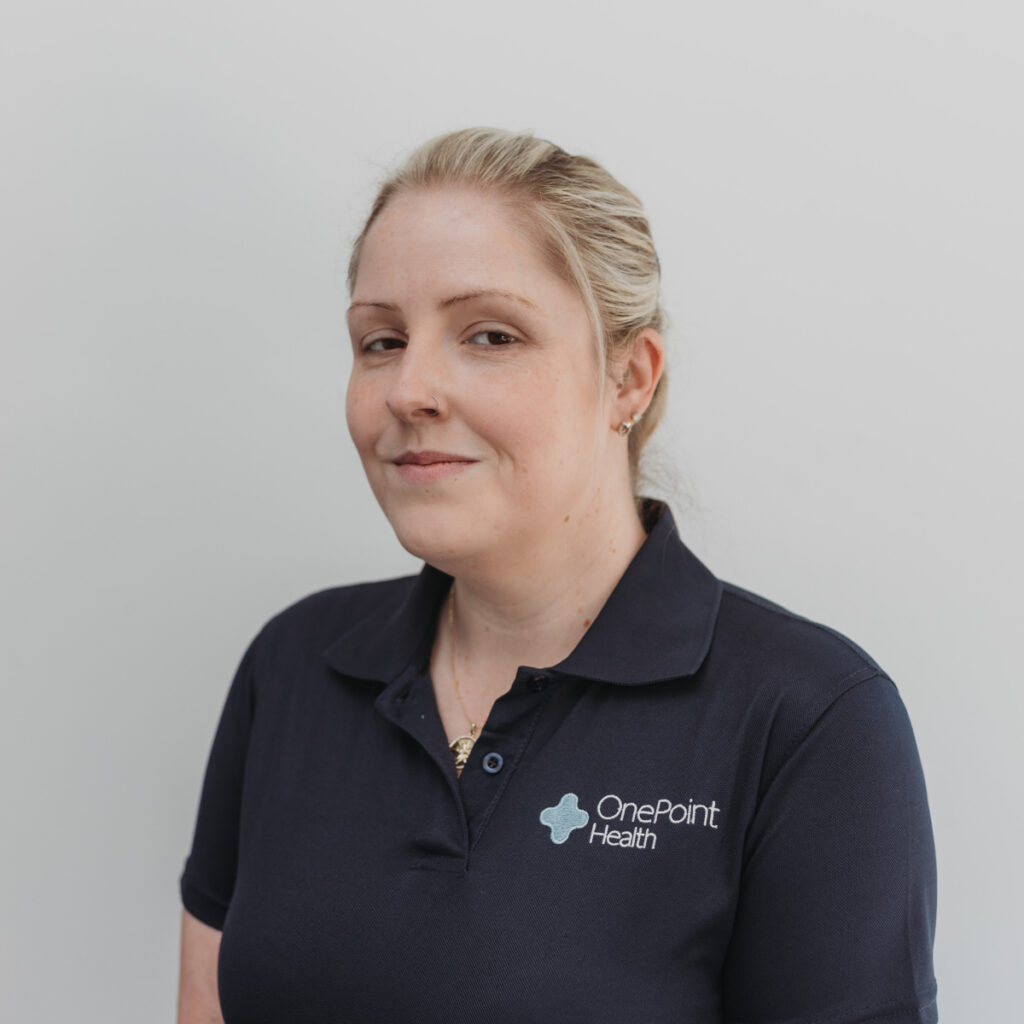
Shannon Smith
Healthcare Support Officer
Available at Blaxland
Shara Percival
Healthcare Support Officer
Available at Blaxland
Sherie Casson
Healthcare Support Officer
Available at Blaxland
Siobhan Kelly
Healthcare Support Officer
Available at Blaxland
Summer Watson
Healthcare Support Officer
Available at Blaxland
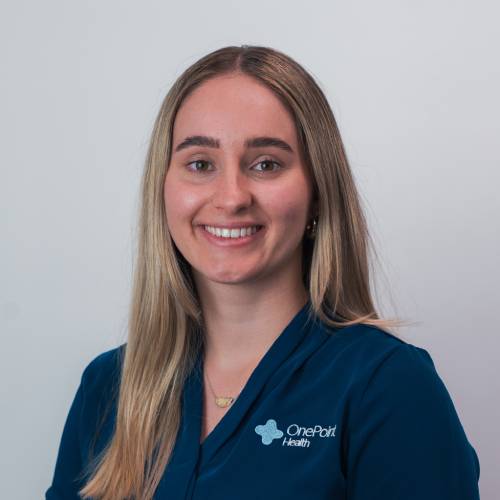
Taleisha Bozzi
Healthcare Support Officer
Available at Blaxland
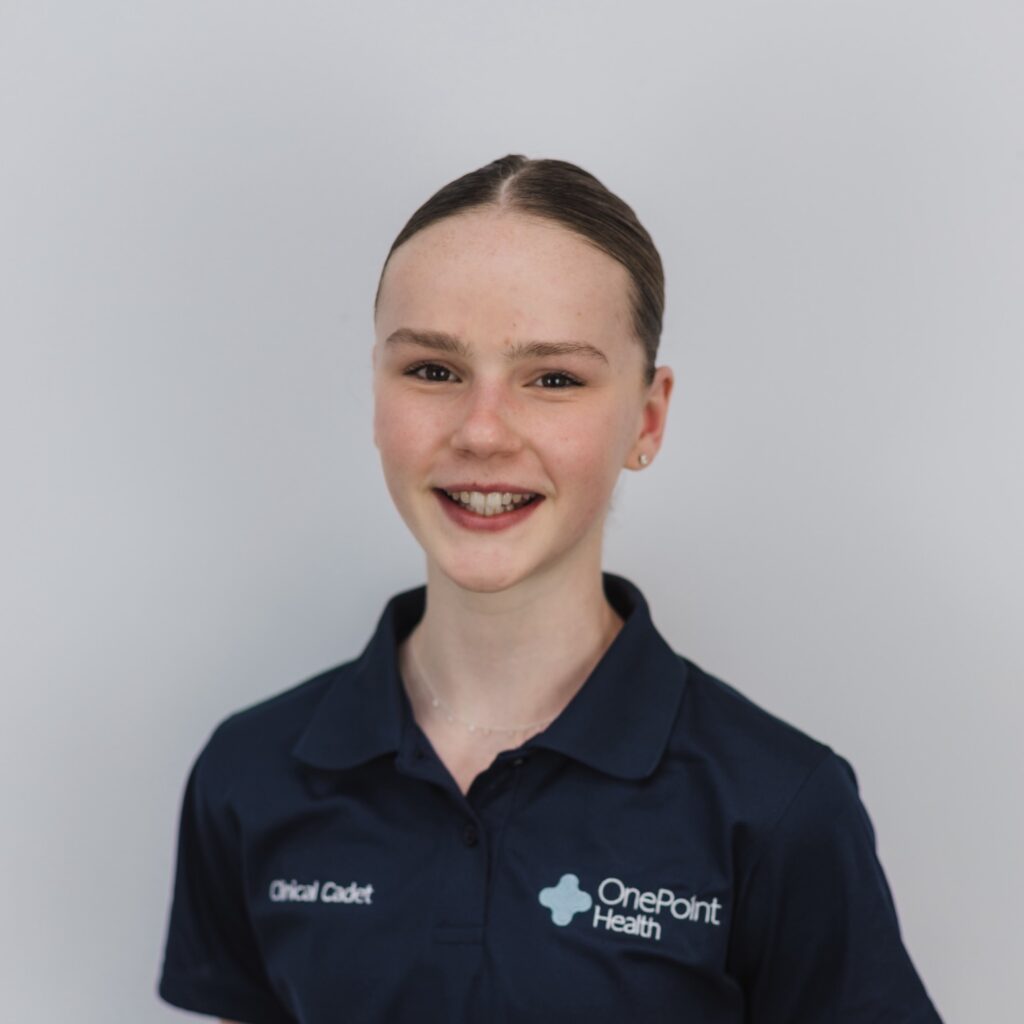
Tori McLean
Healthcare Support Officer
Available at Blaxland

Trystan Singh
Healthcare Support Officer
Available at Blaxland
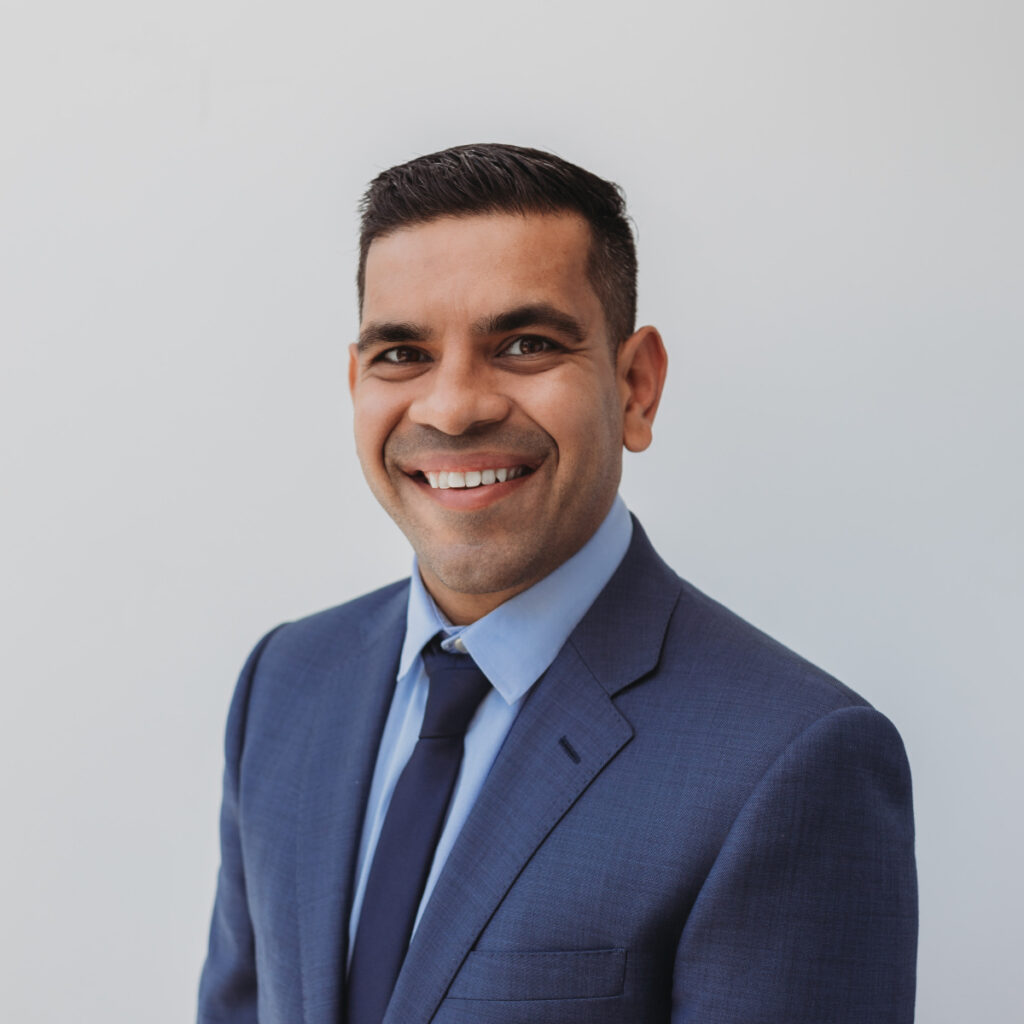
Uty Kotwal
Healthcare Support Officer
Available at Blaxland
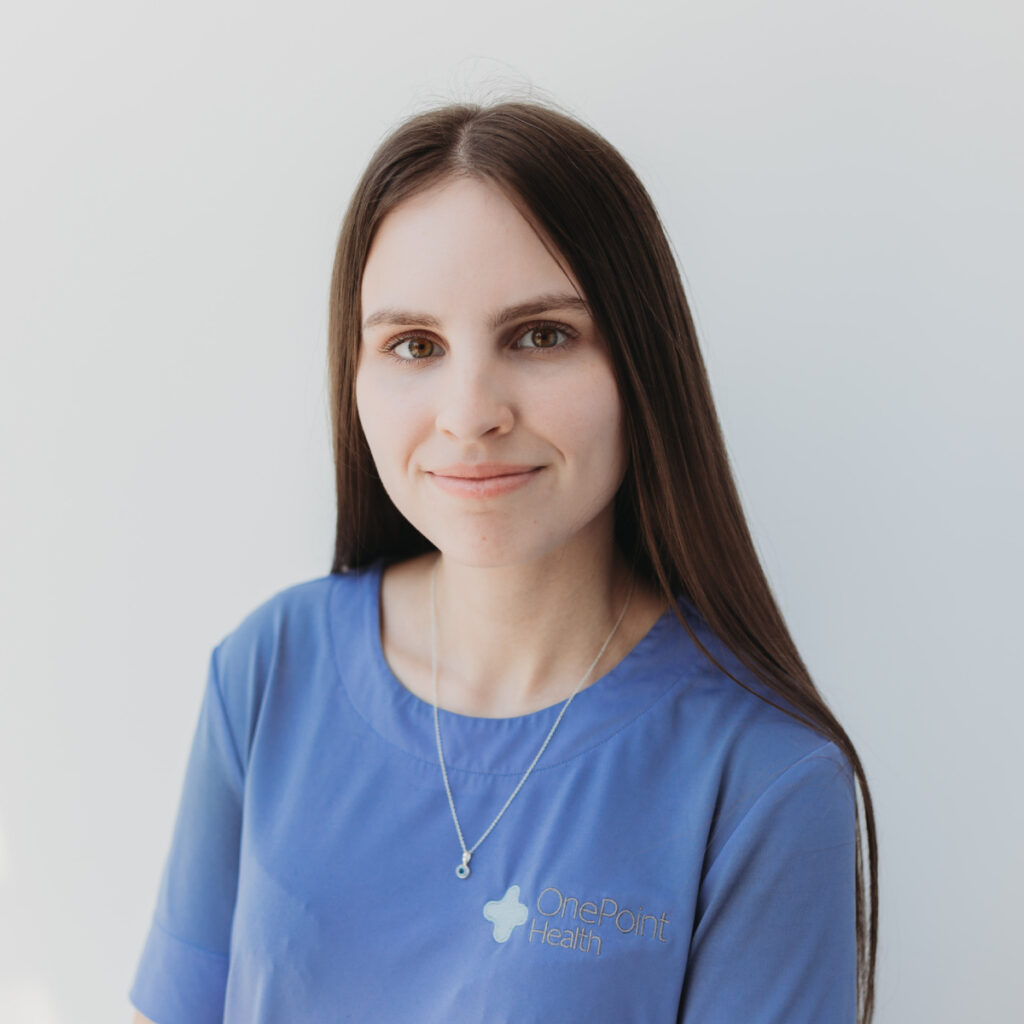
Veronica Theiss
Healthcare Support Officer
Available at Blaxland

Yoni Hochberg
Healthcare Support Officer
Available at Blaxland
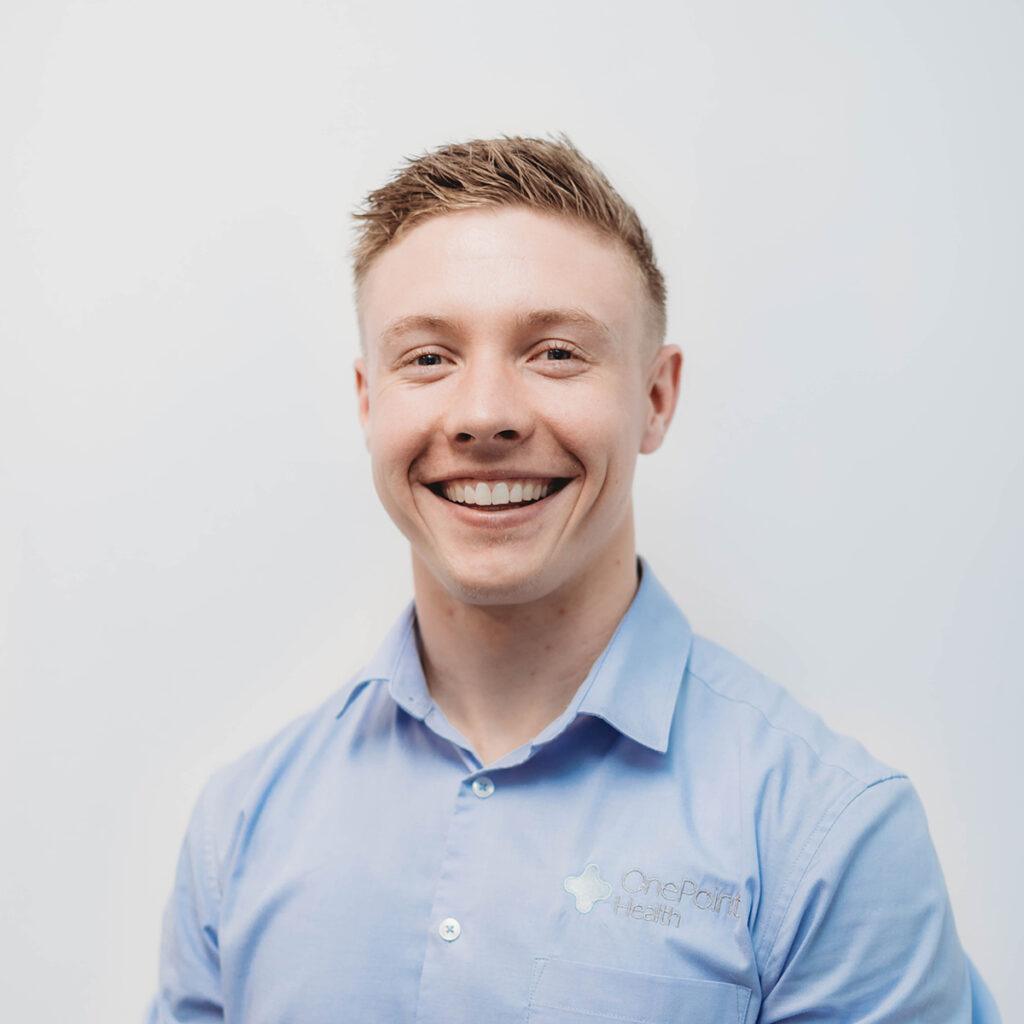
Zak Lloyd
Healthcare Support Officer
Available at Blaxland

Zane Awik
Healthcare Support Officer
Available at Blaxland
EPC, DVA, NDIS and WorkCover welcome
Nearly half of our appointments are funded through Medicare, DVA, NDIS or WorkCover. We manage the paperwork so you can focus on your health.
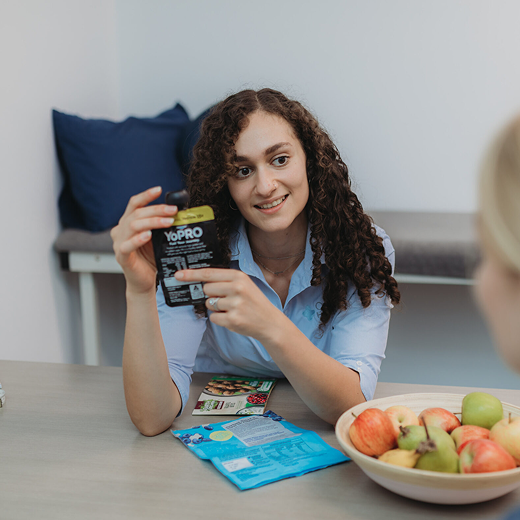

Medicare (EPC)
Your GP can refer you for up to five Medicare-rebated allied health sessions per calendar year. We accept EPC referrals for podiatry, physiotherapy, exercise physiology, dietetics and psychology.

NDIS
We are a registered NDIS provider across podiatry, physiotherapy, exercise physiology, dietetics and psychology. We work directly with your plan manager and provide clear progress reporting.

Medicare (EPC)
Your GP can refer you for up to five Medicare-rebated allied health sessions per calendar year. We accept EPC referrals for podiatry, physiotherapy, exercise physiology, dietetics and psychology.

Medicare (EPC)
Your GP can refer you for up to five Medicare-rebated allied health sessions per calendar year. We accept EPC referrals for podiatry, physiotherapy, exercise physiology, dietetics and psychology.
Seven clinics across three regions
Find a clinic near you. Each location is staffed by local practitioners who know your community.
Penrith
Western SydneyOur largest centre, with our full range of services under one roof.
TBD
Ropes Crossing
Western SydneyPodiatry, at Ropes Crossing Village.
TBD
Blaxland
Western SydneyPodiatry, physiotherapy, exercise physiology and group classes.
TBD
Springwood
Western SydneyPodiatry, dietetics and a boutique footwear store.
TBD
Katoomba
Western SydneyPodiatry, physiotherapy, dietetics and psychology, in a restored 1914 cottage.
TBD
Ryde
Western SydneyPodiatry, physiotherapy, dietetics, exercise physiology and psychology, with a footwear store and gait analysis.
TBD
Lindfield
Western SydneyPodiatry, with mobile podiatry across the North Shore and Northern Beaches.
TBD
Ready to stop guessing with your PCOS?
Get a plan built on your results, your symptoms and your routine.






Frequently asked questions
What does a podiatrist do?
Lorem ipsum dolor ist amte, consectetuer adipiscing eilt. Aenean commodo ligula egget dolor. Aenean massa. Cum sociis natoque penatibus et magnis dis parturient montes, nascetur ridiculus mus. Donec quak felis, ultricies nec, pellentesque eu, pretium quid, sem.
What does a podiatrist do?
Lorem ipsum dolor ist amte, consectetuer adipiscing eilt. Aenean commodo ligula egget dolor. Aenean massa. Cum sociis natoque penatibus et magnis dis parturient montes, nascetur ridiculus mus. Donec quak felis, ultricies nec, pellentesque eu, pretium quid, sem.
What does a podiatrist do?
Lorem ipsum dolor ist amte, consectetuer adipiscing eilt. Aenean commodo ligula egget dolor. Aenean massa. Cum sociis natoque penatibus et magnis dis parturient montes, nascetur ridiculus mus. Donec quak felis, ultricies nec, pellentesque eu, pretium quid, sem.
What does a podiatrist do?
Lorem ipsum dolor ist amte, consectetuer adipiscing eilt. Aenean commodo ligula egget dolor. Aenean massa. Cum sociis natoque penatibus et magnis dis parturient montes, nascetur ridiculus mus. Donec quak felis, ultricies nec, pellentesque eu, pretium quid, sem.
What does a podiatrist do?
Lorem ipsum dolor ist amte, consectetuer adipiscing eilt. Aenean commodo ligula egget dolor. Aenean massa. Cum sociis natoque penatibus et magnis dis parturient montes, nascetur ridiculus mus. Donec quak felis, ultricies nec, pellentesque eu, pretium quid, sem.